Current Status of Benjamin Netanyahu in Israeli Politics
Introduction
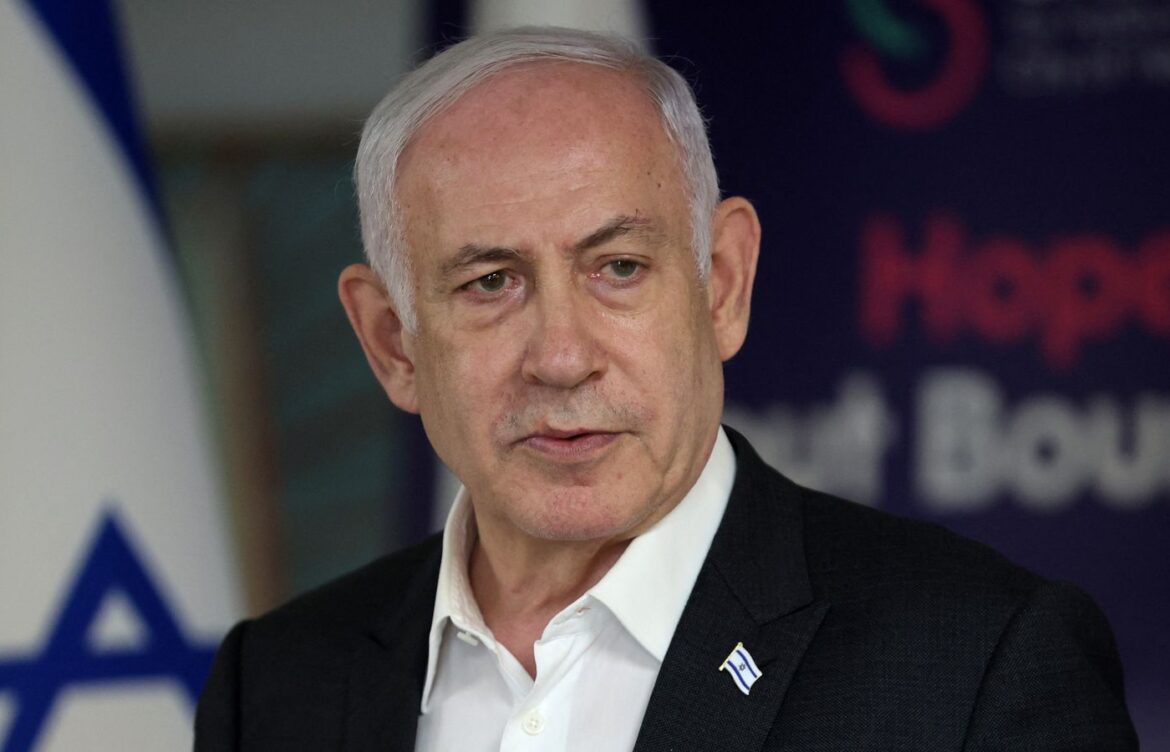
Benjamin Netanyahu, one of Israel’s longest-serving Prime Ministers, continues to be a pivotal figure in the nation’s political landscape. His leadership has been marked by significant domestic and international events, influencing not only Israeli policies but also the broader Middle East dynamics. Understanding Netanyahu’s current role and the political climate in Israel is vital for grasping current and future developments in the region.
Recent Developments
Following the recent elections, Netanyahu’s Likud party emerged as a major force amidst a fragmented political environment. Securing a coalition government, Netanyahu has reinforced his position after a series of political upheavals that saw him ousted briefly from power in 2021. His return has been contentious, featuring debates over his legal challenges, including corruption charges that he has vehemently denied and labeled as politically motivated.
As of 2023, Netanyahu’s policies have increasingly focused on national security, especially regarding Iran’s nuclear program and ongoing tensions with Palestinian authorities. Recent military operations have targeted Hamas in Gaza, showcasing Netanyahu’s hardline stance aimed at ensuring Israel’s security while stimulating polarized reactions domestically and internationally.
Domestic Challenges
Netanyahu faces substantial domestic challenges, including rising costs of living and public dissatisfaction with government services. Protests have erupted against his government, particularly regarding proposed judicial reforms perceived by many as an attempt to undermine the judiciary’s independence. These reforms could significantly affect Israel’s checks and balances, raising alarms among citizens and activists alike.
International Relations
On the international stage, Netanyahu’s government has sought to strengthen relations with Arab nations, building on the Abraham Accords while navigating complex ties with the United States as the Biden administration prioritizes a two-state solution. The implementation of new settlement policies in the West Bank could further strain Israel’s relations with its neighbors and the Palestinian Authority.
Conclusion
Benjamin Netanyahu remains a dominant personality in Israeli politics, and his administrative decisions will continue to shape Israel’s trajectory. The ramifications of his government’s actions will have lasting effects on both the nation’s internal governance and regional stability. Stakeholders and observers must closely monitor how his administration addresses pressing domestic issues while navigating complex international relationships, as these factors will significantly influence Israel’s future.