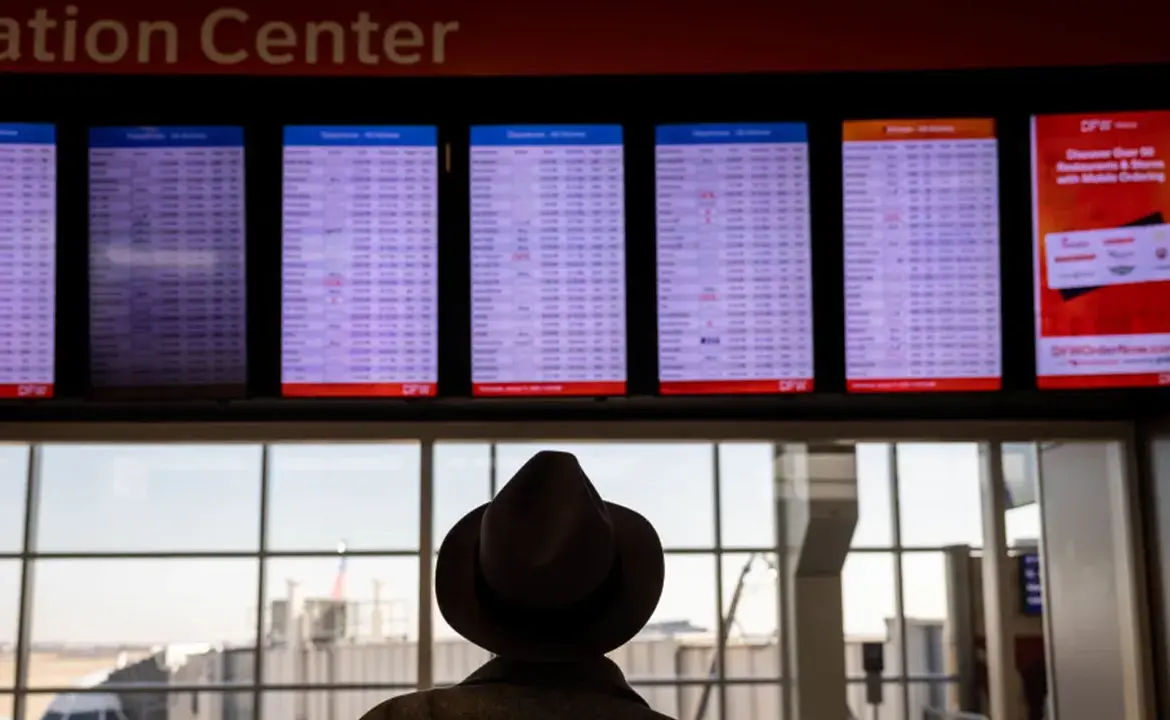
Current Situation of DFW Flight Cancellations
Introduction
Flight cancellations at Dallas/Fort Worth International Airport (DFW) have been a point of concern for travelers and airlines alike in recent weeks. With air travel demand surging post-pandemic, disruptions in flight schedules can lead to significant inconveniences for passengers and financial losses for airlines. Understanding the context and causes of these cancellations is essential for travelers planning to navigate through DFW.
Current Events and Cancellations
According to the Federal Aviation Administration (FAA), DFW has seen an increase in flight cancellations recently, particularly due to severe weather conditions and staffing shortages. Just last week, DFW reported over 200 flight cancellations, affecting both domestic and international routes. With heavy thunderstorms rolling through the region, the airport was forced to implement temporary ground stops, which compounded the situation, leading to increased cancellation rates.
Airlines operating out of DFW, such as American Airlines and Southwest Airlines, have been particularly affected. American Airlines, which has its largest hub at DFW, announced operational challenges that would lead to further cancellation of flights. The airline cited both the adverse weather and a shortage of operational staff due to illness as key factors in the recent disruptions.
Passenger Impact and Airline Responses
The impact on passengers has been significant, with many travelers experiencing long wait times at the airport and difficulties in securing rebooked flights. Travelers have shared their frustrations on social media, expressing concern over the reliability of their travel plans and the support provided by the airlines in managing cancellations.
In response to the mounting issues, airlines have begun to revise their operational practices and communicate more transparently with passengers. American Airlines, for example, has offered incentives for travelers to book flights during less busy times and is working to bolster its staffing levels to mitigate future disruptions.
Conclusion
As the situation surrounding DFW flight cancellations continues to evolve, travelers are urged to stay informed about their flight statuses and remain flexible with their travel plans. With airlines actively working to resolve staffing shortages and recalibrating their schedules, it is hoped that the frequency of cancellations will diminish. In the wake of these challenges, the emphasis on better communication between airlines and passengers is paramount to ensure smoother travel experiences in the future.