Current Developments in Cryptocurrency Regulations
Introduction to Cryptocurrency Regulations
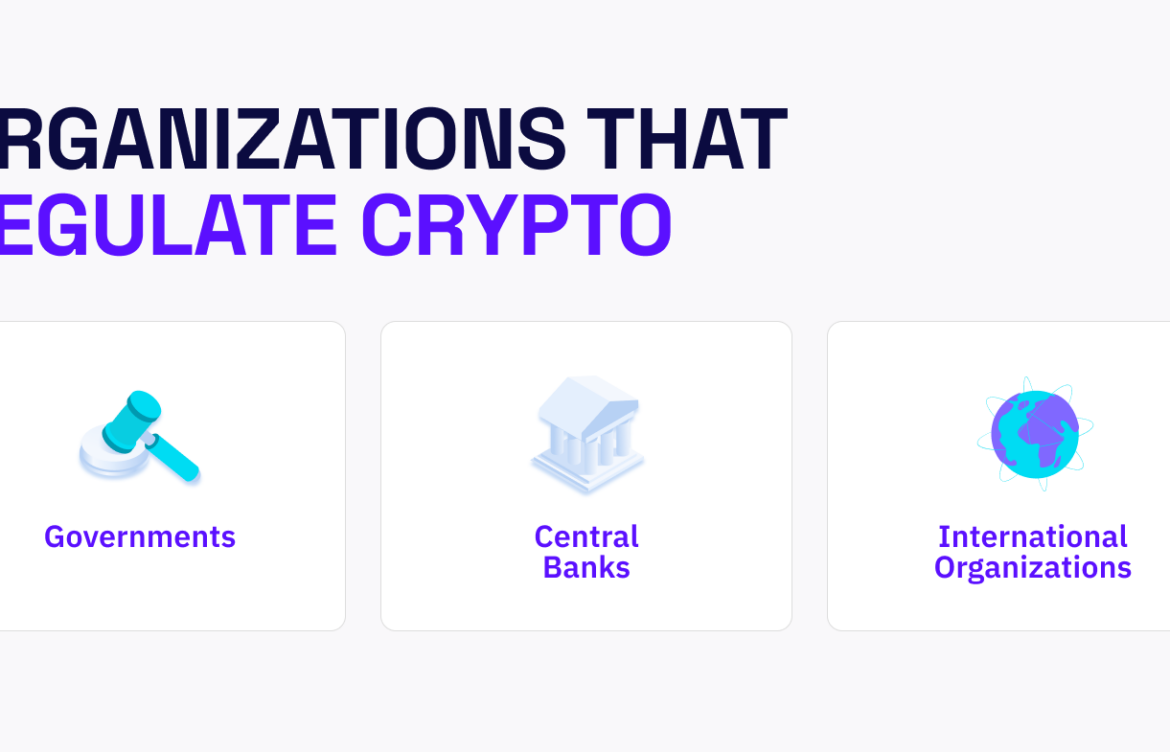
As the adoption of cryptocurrencies continues to grow around the globe, so does the push for regulatory frameworks to oversee the digital currency market. Cryptocurrency regulations have become a crucial topic for investors, governments, and financial institutions alike due to their significance in ensuring consumer protection, combating fraud, and maintaining financial stability.
Recent Global Developments
In recent months, several countries have taken significant steps toward regulating cryptocurrencies. In the United States, lawmakers have been working on establishing clearer guidelines for exchanges and ICOs (Initial Coin Offerings). The U.S. Securities and Exchange Commission (SEC) has emphasized its intention to treat cryptocurrencies as securities, subjecting them to strict regulatory oversight. This stance has raised concerns among crypto enthusiasts regarding innovation stifling and has prompted discussions about a more balanced approach.
Similarly, in the European Union, the proposed Markets in Crypto-Assets (MiCA) regulation aims to provide a comprehensive regulatory framework for cryptocurrencies. The MiCA regulation seeks to enhance investor protection and establish a single market for digital assets across EU member states. If approved, this regulation would represent one of the first coherent attempts at unifying crypto regulations in Europe.
Impact on the Market
The introduction of more structured regulations may lead to a more stable cryptocurrency market, as it helps to establish trust among investors and users. However, there are concerns that excessive regulations may deter innovation within the industry. Smaller startups may find it challenging to navigate complex compliance requirements, potentially stifling competition.
Conclusion and Future Outlook
As the cryptocurrency landscape evolves, so will the regulatory frameworks surrounding it. The ongoing debates in the U.S. and Europe are indicative of a global trend toward formalizing cryptocurrency regulations. Stakeholders in the digital currency ecosystem must stay informed and adapt to these changes. As these regulations become clearer, they will likely shape the future of cryptocurrency investment, use cases, and technological advancements.
With regulatory clarity, the cryptocurrency market may attract more institutional investors, which could lead to increased stability and legitimacy for digital currencies in the long run. However, finding the right balance between regulation and innovation will be critical for sustaining the growth of cryptocurrencies.