Commercial LPG gas cylinder price rises in India
The government has implemented a record increase in commercial LPG prices amidst a global energy crisis. On May 1, 2026, the price of commercial LPG cylinders surged, affecting businesses across India.
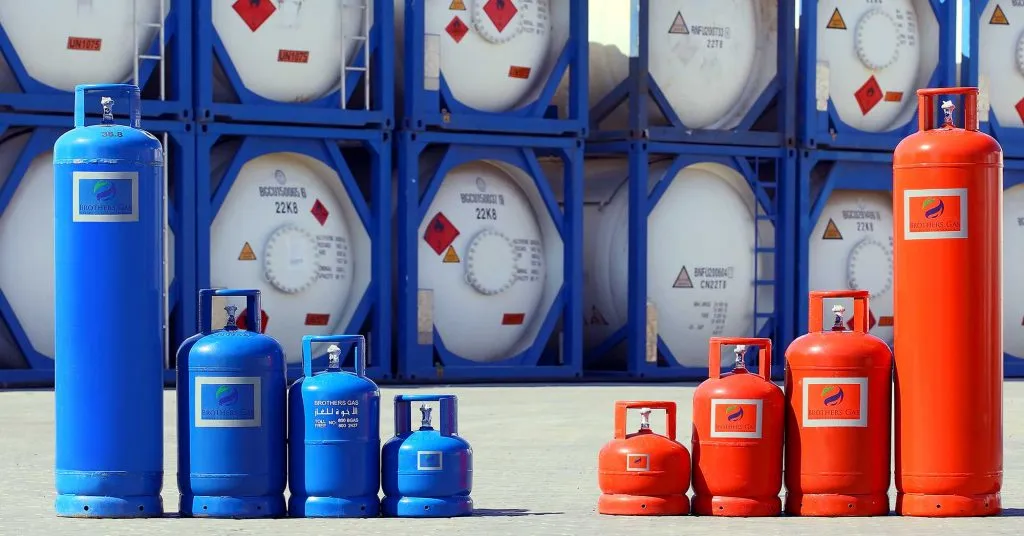
In Delhi, the price of a 19 kg commercial LPG cylinder rose from ₹2,078.50 to ₹3,071.50. Similarly, Mumbai saw an increase from ₹2,031 to ₹3,024. This average increase of ₹993 marks the largest hike in recent history.
The smaller 5 kg market-priced cylinders also experienced a notable jump. Their price increased from ₹549 to ₹810.50, significantly impacting small eateries and food stalls that rely on these cylinders for cooking.
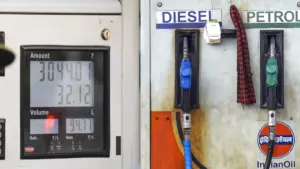
Despite the steep rise in commercial rates, the government has kept domestic LPG prices unchanged. The Ministry of Petroleum and Natural Gas stated, “Retail pump prices of Petrol, Diesel and domestic LPG have been kept unchanged.” This decision aims to cushion households from the brunt of rising fuel costs.
The backdrop to this increase is the ongoing global energy crisis, which has seen global crude oil prices surge sharply due to supply disruptions linked to tensions in West Asia. Recently, oil prices reached a recent high of $126 per barrel.
Alongside this, bulk diesel has also seen a price hike — increasing from ₹137 per litre to over ₹149 per litre. These rising costs contribute to an overall fuel price hike that affects various sectors.
Union Minister of State for Petroleum and Natural Gas Suresh Gopi remarked on the situation: “Please check other parts of the world on how much prices have risen there. We could withhold to this extent.” His comments highlight the challenging balance between maintaining affordability and responding to global market pressures.
This sequence of events matters greatly for businesses like hotels and restaurants that depend heavily on LPG for their operations. With increased operational costs, many are left wondering how they will absorb these price hikes without passing them on to consumers.
The current landscape suggests that while domestic consumers may be shielded from immediate impacts, commercial entities will need to adapt quickly to these new economic realities.