Calls grow for new India women’s T20 captain after World Cup exit
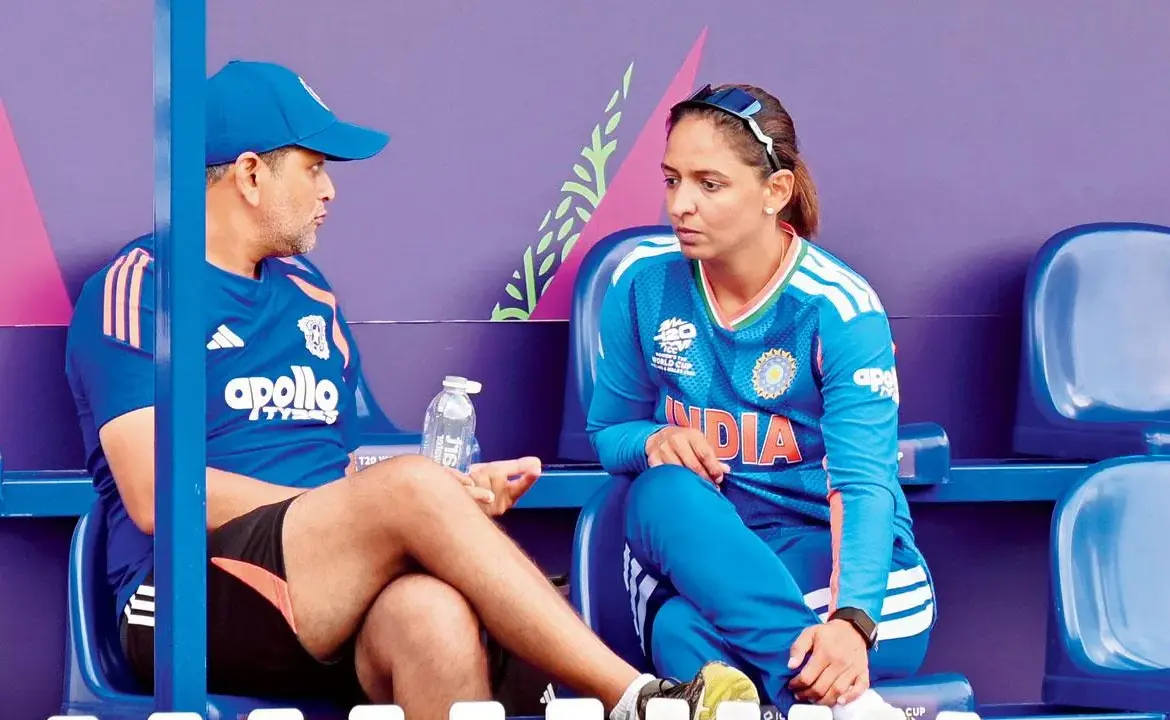
Following India’s early exit from the ICC Women’s T20 World Cup, former India captain Diana Edulji has advocated for a change in leadership for the T20 squad. Edulji believes it is time to move beyond Harmanpreet Kaur as captain in the T20 format, suggesting a need for fresh ideas and strategies.
India failed to advance past the knockout stage of the T20 World Cup, experiencing consecutive early exits in the tournament under Harmanpreet’s captaincy. The team’s elimination was sealed after a six-wicket loss to Australia in their final league game at Lord’s on Sunday. This defeat followed an earlier loss to South Africa by the same margin at Old Trafford in Manchester. While India secured wins against teams like Pakistan, Bangladesh, and the Netherlands, the losses to South Africa and Australia proved detrimental to their progress.
Edulji, an ICC Hall of Famer and former member of the BCCI’s Committee of Administrators, expressed her views, stating that Harmanpreet has ‘stagnated’ in her role as captain. Despite her admiration for Harmanpreet as a player, Edulji emphasized the necessity for a new captain, particularly in T20 cricket, to bring in different approaches and tactical acumen.
Calls for structural changes
Edulji’s recommendations extend beyond just a change in captaincy. She advocates for the creation of two distinct women’s teams, each with separate captains and potentially different coaches, for the T20I and ODI formats. This approach aims to allow for specialisation, acknowledging that playing all formats can be taxing for players and impact their fitness and performance.
She highlighted the importance of identifying and training specialist T20 players, suggesting that the BCCI’s Centre of Excellence could be utilised for this purpose. Edulji mentioned players like Bharti Fulmali and Richa Ghosh as potential T20 specialists who could benefit from such focused training. She drew a parallel with men’s cricket, where such segregation and specialisation are common, questioning why the same cannot be applied to the women’s game.
The former India left-arm spinner also stressed the need to improve fundamental aspects of the game. This includes finding a fast bowler of the calibre of Jhulan Goswami and putting pacers through rigorous training. Edulji also suggested that the Women’s Premier League (WPL) should consider increasing the size of its boundaries to match international women’s cricket standards, ensuring players are adequately prepared for global competitions.
Furthermore, Edulji believes that top Indian players should be mandated to participate in domestic tournaments. She argued that this would benefit younger cricketers by allowing them to play alongside experienced stars, similar to the positive impact observed in men’s cricket. She suggested that if this means skipping lucrative overseas T20 leagues, it should be considered for the overall development of Indian women’s cricket.
Captaincy debate and future planning
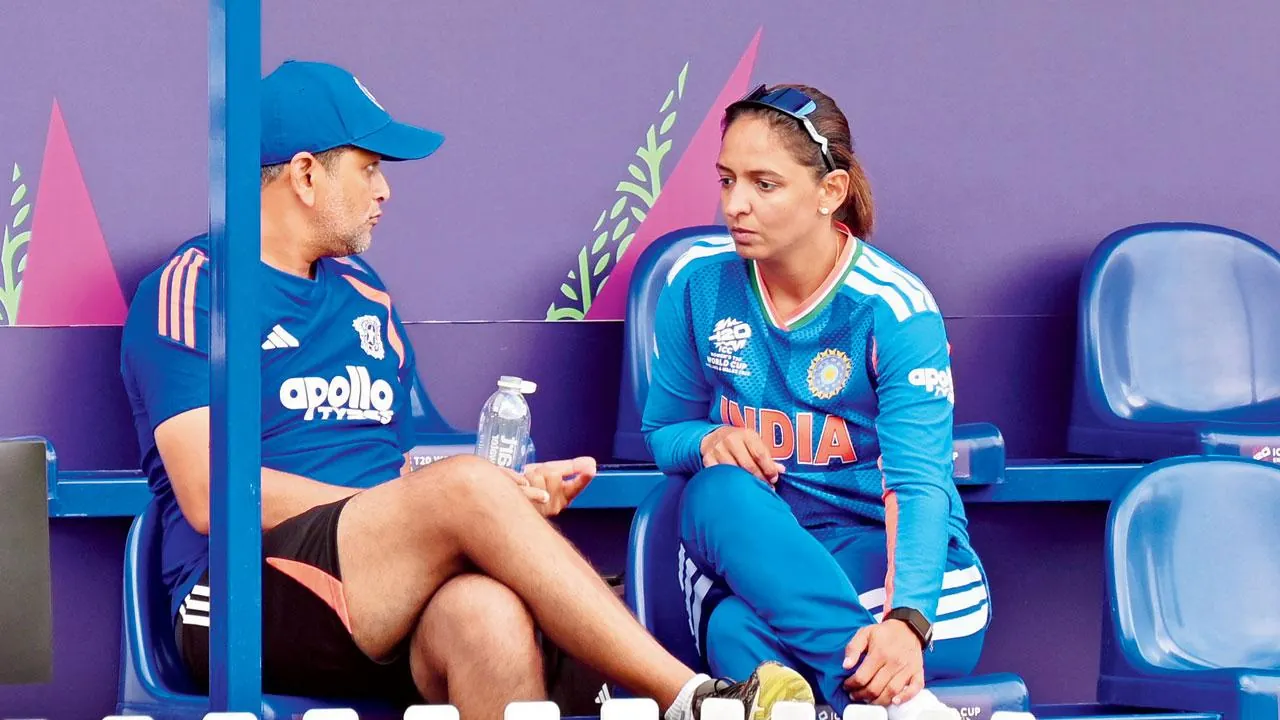
The debate around Harmanpreet’s captaincy intensified after the T20 World Cup exit, despite selectors retaining her as captain for the Asian Games in Japan in September. Amol Muzumdar, India’s head coach, had previously expressed his desire for Harmanpreet to continue as skipper, stating that the decision ultimately rests with the selectors.
Edulji, however, believes that the World Cup failure presented an opportune moment for a leadership transition. She pointed to instances in men’s cricket where bold decisions regarding captaincy were made, such as the appointment of MS Dhoni for the inaugural T20 World Cup in 2007, and suggested that similar decisive steps are now required for the women’s team. She also noted that the pressure of captaincy might be affecting Harmanpreet’s natural attacking style of play.
Regarding ODI cricket, Edulji suggested that Harmanpreet deserves one more opportunity to lead the team as captain in the 2029 Women’s ODI World Cup, where India will be defending champions. This indicates a nuanced view, distinguishing between the immediate need for change in the T20 format and potential continuity in the longer format.
Edulji also highlighted concerns about the team’s fielding, noting that India dropped 11 catches during the tournament, which was among the highest. She also raised concerns about the lack of depth in Indian women’s cricket compared to men’s cricket, particularly in finding a reliable second wicketkeeper, citing Yastika Bhatia’s fitness issues and limited contribution in the 2026 T20 World Cup, where she scored 41 runs in four matches.
The former captain’s comments underscore a broader call for a comprehensive review and strategic overhaul to address the challenges faced by the Indian women’s cricket team.
Read Also
Source: timesofindia.indiatimes.com