Archaeologists Decipher Ancient Tablet, Unveiling Lost Narratives
The Significance of the Discovery
In a groundbreaking achievement for historical scholarship, archaeologists have successfully deciphered an ancient tablet that is believed to offer insights into long-lost narratives from early civilizations. This recent development not only enhances our understanding of historical contexts but also bridges gaps in the documentation of ancient cultures.
Details of the Tablet
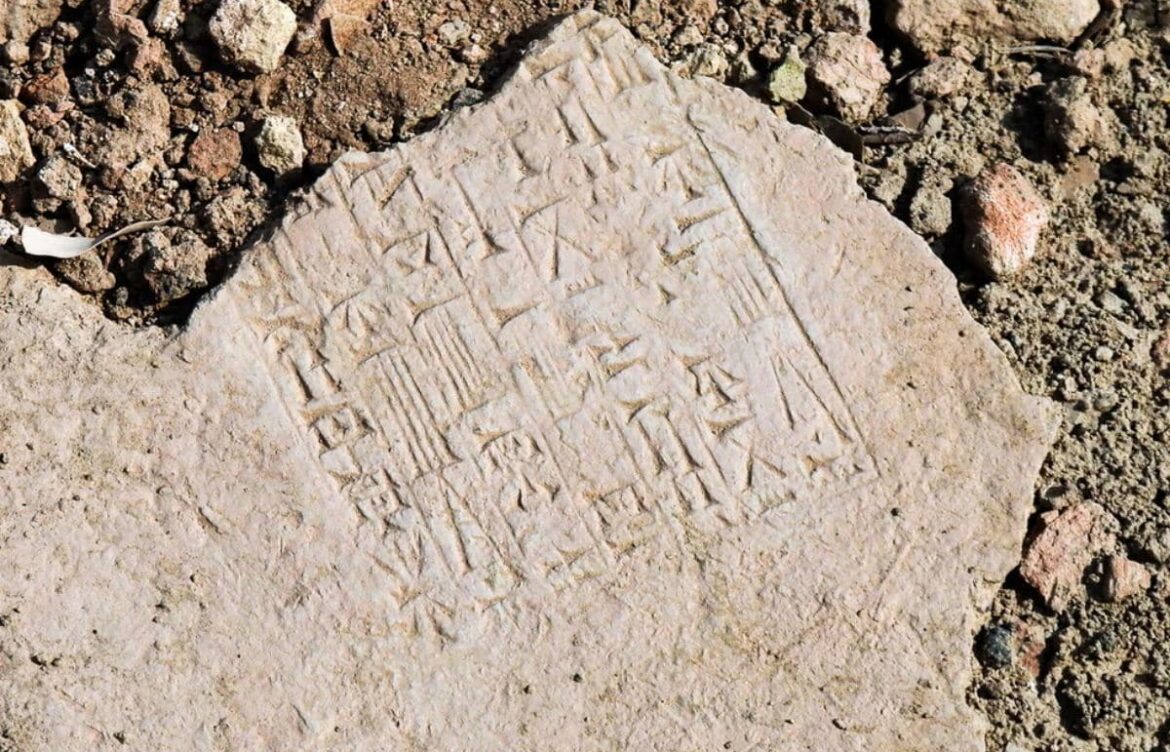
The tablet, excavated from a site in Mesopotamia, dates back to approximately 2,500 BCE. Researchers from the University of Oxford, who have been studying the tablet for over a year, report that it contains cuneiform inscriptions, which are among the earliest forms of writing. These inscriptions detail various aspects of societal life, including trade, religious practices, and legal proceedings of the time.
According to lead archaeologist Dr. Emily Harper, the text is particularly remarkable as it presents an early account of a significant trade agreement between two city-states. “This is one of the few records we have of economic negotiations in the region, providing a lens through which we can view ancient economic systems and governance,” she stated during a press conference held last week.
Methodology Behind the Deciphering
The process of deciphering the tablet involved a mix of traditional academic methods and advanced technology. High-resolution imaging techniques coupled with artificial intelligence were employed to analyze the inscriptions. This blend of old and new allowed researchers to make more accurate interpretations of the worn-out texts that were otherwise challenging to read.
Implications for Historical Studies
The successful deciphering of the ancient tablet is poised to significantly impact the field of archaeology and historical studies. Experts believe that artifacts like this tablet could reshape current understandings of social structure, cultural interactions, and even ancient diplomacy.
Moreover, it raises intriguing questions about the communicative practices of ancient societies, prompting further investigations into other similar artifacts that may contain undiscovered narratives. With archaeological digs ongoing, there is hope that more insights will emerge, potentially rewriting sections of history as we know it.
Conclusion
This discovery not only highlights the importance of preserving ancient artifacts but also emphasizes the continuous nature of learning about our past. As archaeologists continue to unearth and decipher other historical remnants, the stories they tell could very well alter our perceptions of humanity’s early civilization. The implications for education, culture, and history are profound, offering a clearer understanding of how ancient societies functioned and interacted.