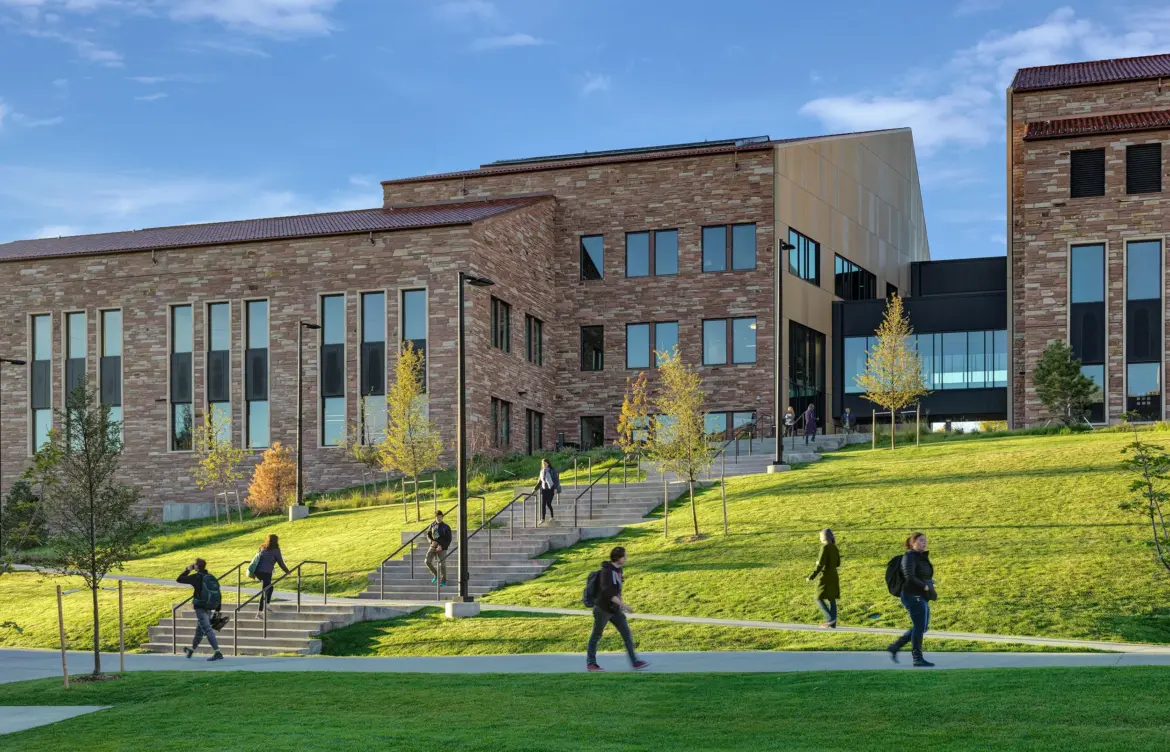
An Overview of CU Boulder: Innovation and Education
Introduction
The University of Colorado Boulder (CU Boulder) stands as a prominent institution in higher education, known for its innovative research, dynamic campus life, and commitment to academic excellence. Established in 1876, CU Boulder has carved a niche as a leader in fields such as environmental science, engineering, and aerospace, making it a significant player in both national and international academic scenes. With its stunning location at the foothills of the Rocky Mountains, CU Boulder not only benefits from a vibrant natural environment but also attracts students and researchers from around the globe.
Current Developments and Initiatives
In recent years, CU Boulder has expanded its research initiatives, particularly in sustainability and renewable energy. The university has been awarded several grants to enhance its research capabilities, focusing on climate change impacts and solutions. The Center for Environmental Journalism at CU Boulder is actively producing compelling narratives that highlight both local and global environmental challenges, aiming to foster a greater understanding of ecological issues.
Furthermore, CU Boulder is home to the Laboratory for Atmospheric and Space Physics, which conducts groundbreaking research in space science. This year, the lab launched a significant study to analyze data from recent NASA missions, further solidifying its reputation in the aerospace community.
Campus Life and Student Engagement
Student life at CU Boulder is another cornerstone of its appeal. With over 500 student organizations and a vibrant arts scene, students are encouraged to engage in a variety of extracurricular activities. The university’s emphasis on promoting inclusivity and diversity has led to the formation of numerous cultural groups and support systems that enrich the student experience.
Additionally, CU Boulder has adapted to the challenges posed by the COVID-19 pandemic by enhancing digital learning tools and providing resources for remote students. This adaptability signifies the university’s commitment to maintaining academic standards while supporting student needs.
Conclusion
As CU Boulder continues to evolve with the changing educational landscape, its emphasis on research, community engagement, and sustainability highlights its relevance in today’s world. Looking ahead, CU Boulder is expected to play a vital role in addressing global challenges through innovation and collaboration across disciplines. For prospective students and researchers, CU Boulder remains a beacon of opportunity and excellence in higher education.