An Insight into the World’s Tallest Buildings
The Importance of Tall Buildings
The world’s tallest buildings serve as powerful symbols of architectural ingenuity and urban progress. They reflect advancements in engineering and design while impacting local economies and culture. As populations grow and urban areas expand, skyscrapers are becoming essential in creating available living and working spaces in congested cities.
Current Record Holders
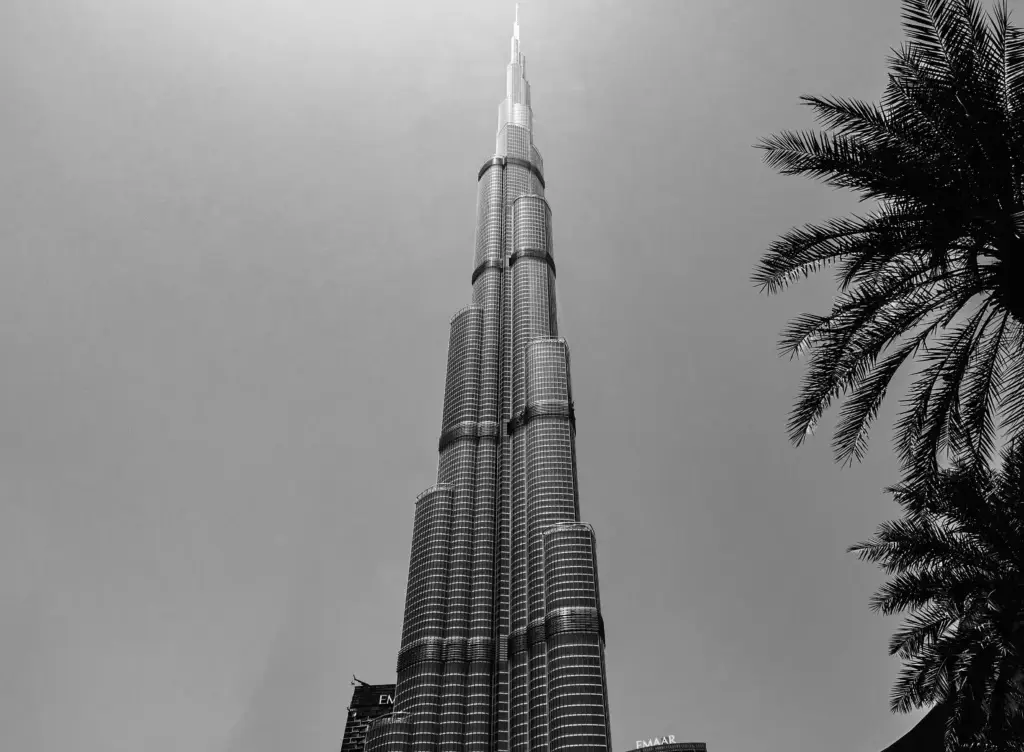
As of 2023, the tallest building in the world is the Burj Khalifa in Dubai, standing at an impressive height of 828 meters (2,717 feet). Completed in January 2010, the Burj has held this title for over a decade. Close behind, the Shanghai Tower in China, reaching 632 meters (2,073 feet), ranks as the second-tallest building globally. It was completed in 2015, showcasing sustainable architecture through its wind turbine and rainwater collection systems.
Significant Developments
Several new skyscrapers are set to challenge these records in the coming years. The Jeddah Tower, currently under construction in Saudi Arabia, aims to surpass the Burj Khalifa when completed, reaching approximately 1,000 meters (3,281 feet). Designed to include a mix of residential, office, and hotel space, this ambitious project reflects both technological developments and the rapid urbanization of cities. Similarly, the Dubai Creek Tower is under construction in Dubai, designed to reach a height that will surpass the Burj Khalifa and provide panoramic views of the city.
Impact on Urban Development
Tall buildings significantly affect urban landscapes, helping maximize space usage in densely populated areas. They accommodate diverse functions, including residential, commercial, and recreational spaces. Skyscrapers often enhance a city’s skyline, creating iconic landmarks that promote tourism and pride among residents. Cities like New York and Hong Kong are prime examples of how skyscrapers have shaped economic growth and cultural identity.
Conclusion
The relentless pursuit of height in architecture speaks volumes about human ambition and innovation. As we look to the future, new technologies such as improved construction materials and sustainable designs will influence the development of the next generation of tall buildings. These projects promise to redefine city landscapes, addressing urban challenges while pushing the boundaries of what is possible in architecture. As the trend continues, residents and visitors alike will witness the evolution of skyline icons across the globe.