An Exploration of Benin: Culture, History, and Current Events
Introduction
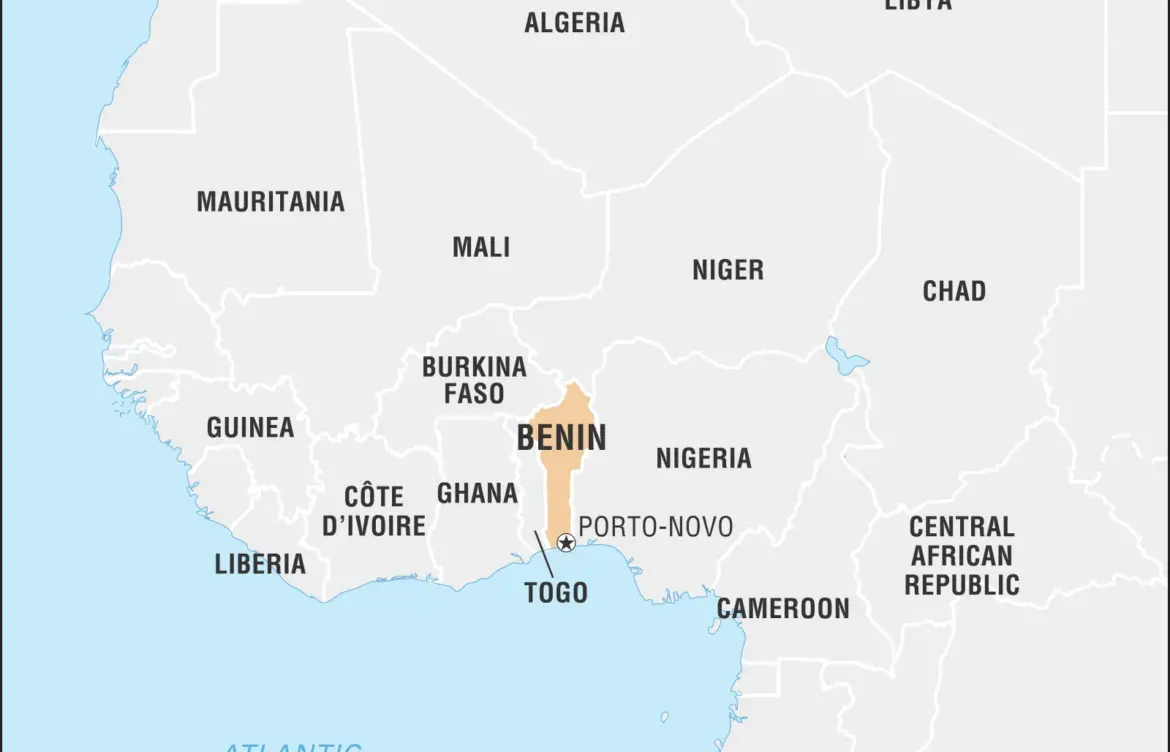
Benin, a small yet vibrant country in West Africa, is steeped in a rich cultural heritage and historical significance. Bordered by Togo to the west, Nigeria to the east, and Burkina Faso to the north, Benin has become a focal point for historians, anthropologists, and travelers alike. The relevance of understanding Benin’s culture today lies not only in its historical context but also in its potential for economic growth and cultural preservation in the face of globalization.
Historical Background
The Kingdom of Dahomey, which flourished from the 17th to the 19th century, played a significant role in shaping what is now modern-day Benin. The kingdom was known for its powerful female warriors, elaborate palaces, and rich traditions that continue to influence Beninese culture. The country’s history also includes the tragic involvement in the transatlantic slave trade, which has left a lasting impact on its diaspora, particularly in the Americas.
Cultural Significance
Benin is often regarded as the home of Vodun (or Voodoo), a religion that is an integral part of the nation’s identity. This ancient belief system, which honors ancestral spirits and the elements of nature, attracts many tourists seeking to understand its rites and ceremonies. In January 2023, Benin celebrated its Vodun festival, which showcased colorful parades, traditional music, and performances that captivated both locals and international visitors.
Current Events and Developments
In recent years, Benin has been making strides in preserving its cultural heritage while embracing modern development. The government is focused on enhancing its tourism sector by promoting historical sites, such as the Royal Palaces of Abomey, which is a UNESCO World Heritage site. Furthermore, new investments in infrastructure and sustainable tourism aim to provide economic opportunities for the local population, particularly in rural areas where traditional crafts are preserved.
Conclusion
As Benin continues to navigate the complexities of modernization and cultural preservation, its rich history provides a treasure trove for understanding not only the nation’s past but also its future potential as a cultural and economic hub in West Africa. With growing interest in its unique heritage and the expansion of its tourism sector, Benin stands at an important crossroads, poised to showcase the enduring legacy of its vibrant culture to the world.