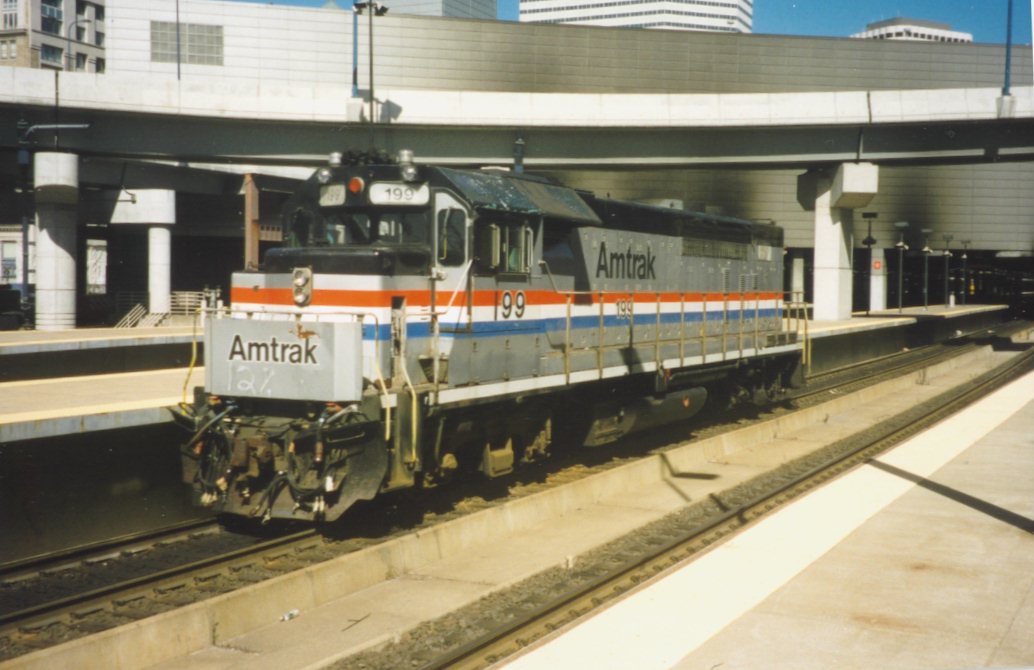
Amtrak: Connecting America Through Rail Travel
Introduction
Amtrak, the National Railroad Passenger Corporation, plays a crucial role in the transportation network of the United States. Established in 1971, it serves millions of passengers annually across a vast network of routes encompassing over 21,000 miles. In recent years, Amtrak has gained renewed attention due to rising fuel prices, an increasing focus on sustainability, and a growing interest in rail travel among the public. As America seeks efficient and environmentally friendly travel options, understanding Amtrak’s current status and future prospects becomes ever more significant.
Current Developments
Recently, Amtrak unveiled a multi-billion dollar investment plan aimed at upgrading its services, routes, and equipment. This ambitious plan includes the purchase of new locomotives and railcars, with over 75 new train sets expected to be delivered by 2024. Furthermore, Amtrak reported a record ridership recovery post-COVID, demonstrating the public’s renewed interest in rail travel as a safe alternative to other forms of transportation.
As part of its modernization efforts, Amtrak is also focusing on improving customer service and making travel more convenient. The launch of enhanced mobility apps and revamped dining options has been well-received by passengers. Additionally, there’s renewable energy integration in their operations, with a commitment to achieving net zero carbon emissions by 2040. This aligns with national goals to reduce greenhouse gas emissions and promote sustainable transportation methods.
Challenges Ahead
Despite these positive developments, Amtrak faces several challenges. Funding remains a crucial issue, as the rail service relies heavily on federal support. In recent years, there have been political debates surrounding the allocation of funds to rail services, which could impact future capital projects. Moreover, competition from low-cost airlines and other forms of transportation continues to be a potential threat to ridership.
Conclusion
Amtrak stands at a pivotal juncture, with opportunities for growth and innovation in the realm of rail travel. The current investment in infrastructure and service improvements illustrates the company’s commitment to enhancing the passenger experience and adapting to new travel priorities. As rail travel becomes increasingly attractive in light of social and environmental considerations, Amtrak’s strategic initiatives may set a foundation for its expansion across the country. For travelers seeking reliable, sustainable, and efficient transportation, Amtrak is poised to be a pivotal component of America’s transportation future.