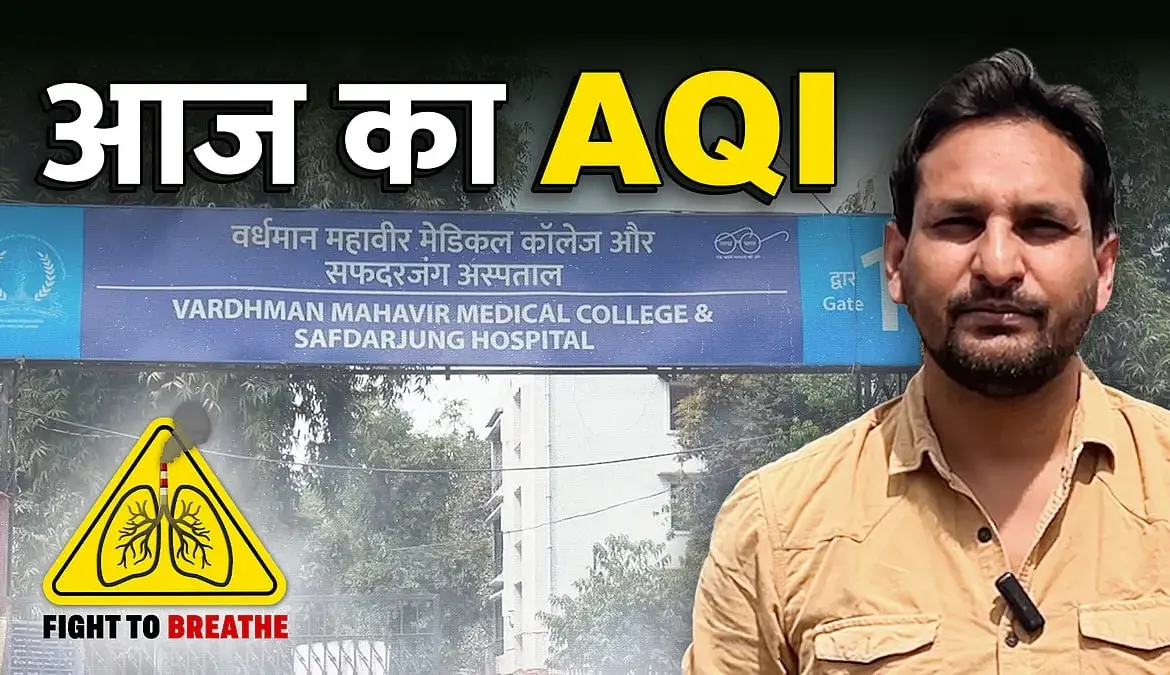
12: Fuel Prices and Air Quality in India: A Trend Analysis of
Current Fuel Prices in India
As of March 12, 2026, the fuel prices in India have shown a notable stability, particularly in the capital city of Delhi. The price of petrol stands at ₹94.77 per litre, while diesel is priced at ₹87.67 per litre. This stability follows a period of consistent pricing, attributed to government policies and the absorption of costs by oil marketing companies (OMCs).
Changes in LPG Prices
In recent developments, the price of domestic liquefied petroleum gas (LPG) has seen a significant increase. As of March 7, 2026, the price for a 14.2 kg domestic LPG cylinder rose by ₹60, bringing the total cost to ₹913.00 per cylinder. For commercial use, the price for a 19 kg LPG cylinder is now ₹1,884.50.
CNG Pricing
Compressed natural gas (CNG), another vital fuel source, is currently priced at ₹77.09 per kg in Delhi. This pricing is crucial as CNG is often seen as a cleaner alternative to petrol and diesel, contributing to improved air quality in urban areas.
Gold Prices in Context
In addition to fuel prices, the cost of gold has also been a point of interest. As of the same date, the price of 24K gold in Delhi is ₹16,237 per gram, while 22K gold is priced at ₹14,885 per gram. These prices reflect broader economic trends and consumer behavior in the country.
Implications for Air Quality
The stability in fuel prices, particularly for petrol and diesel, has implications for air quality in India. With the government’s focus on maintaining these prices, there is potential for reduced volatility in emissions from vehicles. However, the increase in LPG prices may impact households that rely on this fuel for cooking and heating, potentially leading to a shift towards alternative energy sources.
Historically, domestic retail petrol and diesel prices have remained stable for over six months, a trend that has been largely influenced by government policies aimed at controlling inflation and ensuring energy security. This stability is critical for consumers and businesses alike, as fluctuating fuel prices can have a cascading effect on the economy.
Current State and Future Outlook
As of now, the fuel pricing landscape in India remains relatively stable, with key prices holding firm. The government’s approach to managing fuel costs will be essential in determining future trends, especially as global oil prices fluctuate. The ongoing monitoring of air quality in relation to fuel consumption will also be a significant factor in public health discussions moving forward.
In summary, the current state of fuel prices in India as of March 12, 2026, reflects a careful balance of economic policy and market conditions. The implications of these prices extend beyond mere numbers, affecting air quality and the daily lives of citizens across the nation.