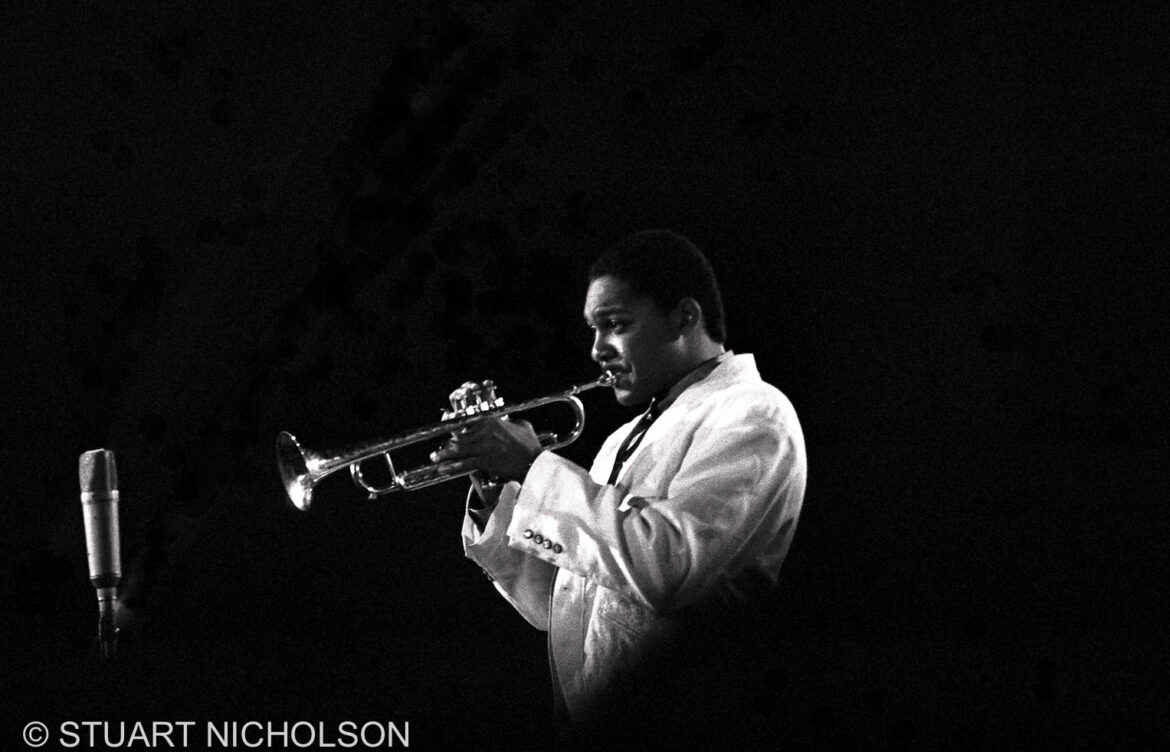
Wynton Marsalis: A Voice in Jazz and Cultural Education
Introduction
Wynton Marsalis is a name synonymous with jazz. As a talented trumpeter, composer, and bandleader, his contributions have not only shaped modern jazz but also made significant impacts on cultural and educational initiatives. His work has drawn global attention to the art form, making him one of its greatest ambassadors.
Career Highlights
Born on October 18, 1961, in New Orleans, Louisiana, Wynton Marsalis was surrounded by music from an early age; his family included notable musicians. He studied at the Juilliard School and soon after began performing with renowned jazz figures such as Art Blakey and Herbie Hancock. Marsalis quickly gained fame for both his virtuosic trumpet skills and his deep understanding of jazz history.
Over the years, Marsalis has released over 40 albums, earning him nine Grammy Awards and the prestigious Pulitzer Prize in Music in 1997 for his oratorio, “Blood on the Fields.” Through his albums, he not only showcases his incredible talent but also his commitment to the traditions of jazz, often incorporating styles from various eras and highlighting the influence of past masters.
Advocacy for Jazz and Education
Beyond his music, Wynton Marsalis has actively advocated for the arts, particularly in education. He serves as the Managing and Artistic Director of Jazz at Lincoln Center, where he has worked tirelessly to enhance jazz education and appreciation. Marsalis believes that exposure to the arts is crucial for young people and often addresses the importance of arts in schools. He regularly conducts clinics, takes part in educational initiatives, and supports community programs that seek to introduce jazz to younger generations.
Recent Developments
In 2023, Wynton Marsalis has continued to perform and engage with audiences across different platforms, collaborating with both contemporary artists and traditional jazz ensembles. His recent concert series celebrate the rich history of jazz while encouraging innovative interpretations. Additionally, he has published works that reflect on the state of jazz today, engaging discussions on race, culture, and the role of music in society.
Conclusion
Wynton Marsalis is not just a musician; he is a cultural icon whose influence extends far beyond the concert stage. His dedication to preserving the art of jazz while nurturing the next generation is vital in ensuring that this music genre continues to thrive. As he moves forward, both in performance and in advocacy, Marsalis remains a key figure in the dialogue about the importance of arts in society, inspiring countless individuals along the way.