World Cup group stage concludes with surprising results and knockout stage preparations
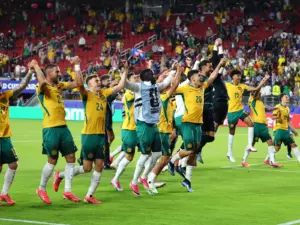
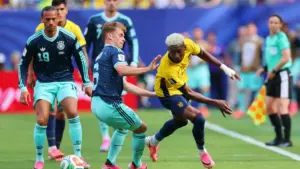
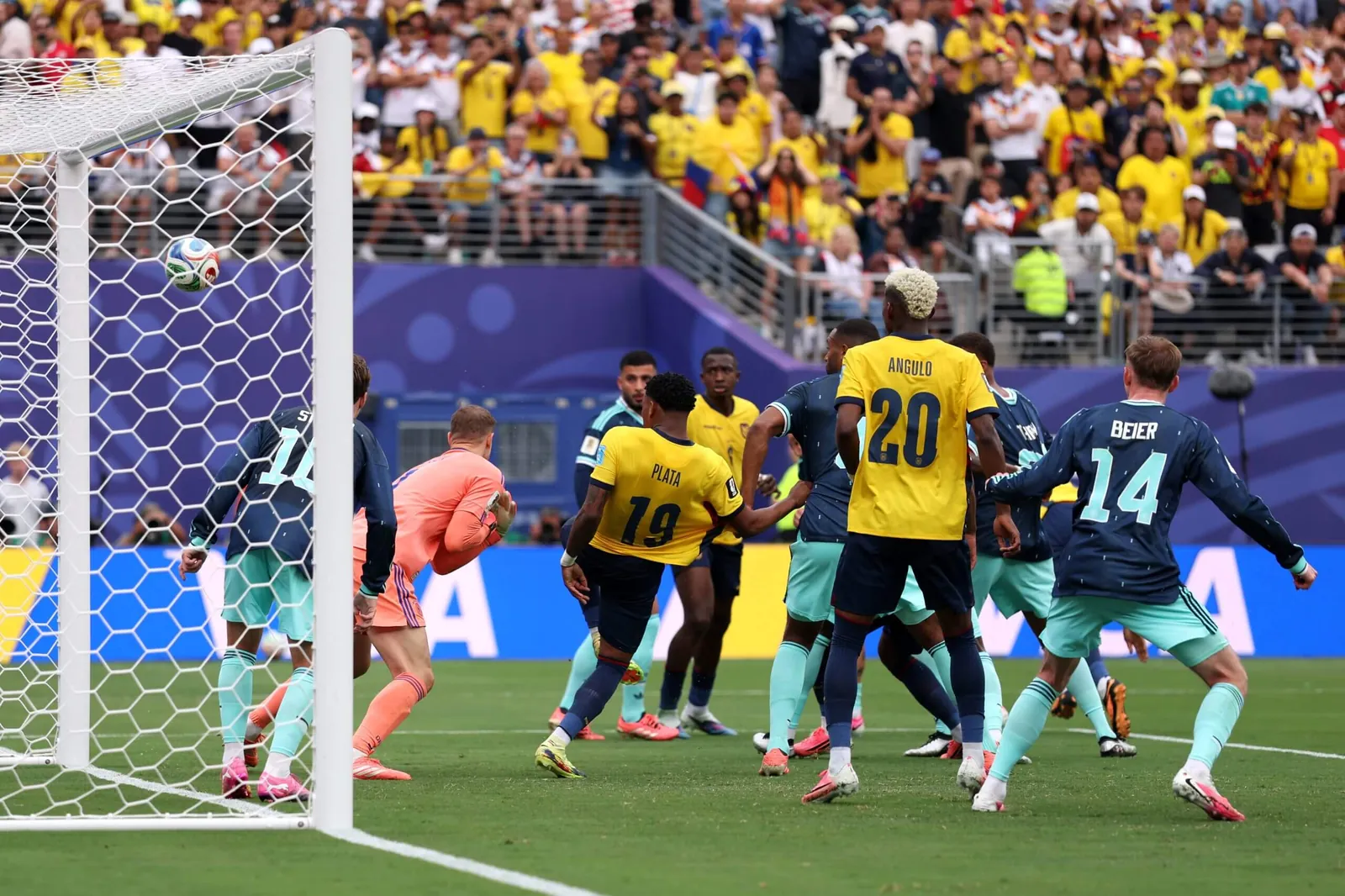
The final round of World Cup group stage matches saw several key developments, including upsets and the confirmation of teams advancing to the knockout rounds. Among the notable results, Ecuador secured a 2-1 victory over Germany, marking a significant achievement for the South American side. This win allowed Ecuador to progress to the knockout stages as one of the best third-place teams. Meanwhile, the United States Men’s National Team (USMNT), already assured of the top spot in its group, experienced a 3-2 loss to Turkey following a late goal from Kaan Ayhan.
In other group action, the Netherlands secured first place in Group F by defeating Tunisia. A draw between Japan and Sweden also ensured both teams advanced from their group. These matches set the stage for the upcoming round of 32, a new addition to the tournament format with 48 competing teams.
Group Stage Outcomes and Knockout Implications
The USMNT’s loss to Turkey, despite having already secured their group’s top position, highlights a trend observed in previous World Cups. Teams that win all three group matches have not gone on to win the tournament since Brazil in 2002. This pattern suggests that a perfect group record might not be a prerequisite for overall success, and in some cases, a minor setback could even be beneficial.
For instance, past winners like Argentina in a previous edition and Spain in 2010 experienced early losses or draws in the group stage. These instances sometimes led to tactical adjustments or a renewed focus within the squad. Teams like the United States, Switzerland, Brazil, Germany, and the Netherlands, which did not win all their group games, might find this historical trend encouraging.
The introduction of the round of 32 means that the eight best third-place teams will also advance. This system adds complexity to qualification, as teams in earlier groups might not know the exact results needed to progress. Progression for third-place teams is determined by points, then goal difference, then goals scored, and finally fair-play record or a random draw if still tied.
Tunisia’s Tournament Performance
Tunisia’s performance in the tournament has drawn attention, with some comparisons being made to historical records. After topping their qualifying group, the North African nation faced a challenging World Cup campaign. They lost all three of their group matches, conceding 12 goals while scoring only twice. Their scorelines included 1-5, 0-4, and 1-3 defeats.
The team also saw a change in leadership, with head coach Sabri Lamouchi being sacked after their first game, and Herve Renard taking over. Tunisia was placed in a group with the Netherlands, Japan, and Sweden. The Netherlands is ranked seventh, Japan 17th, and Sweden 36th. This group composition, considered one of the weaker ones in the tournament, contrasts with the challenging group faced by Zaire in 1974, which included Brazil, Yugoslavia, and Scotland.
Tunisia’s goal difference of -10, while better than Zaire’s historical record, has led to discussions about their overall tournament showing. Other African nations in the competition have demonstrated stronger performances, with none having been eliminated from the competition yet.
Transfer Market Activity Amidst the Tournament
Even as the World Cup progresses, the transfer market continues to be active. Reports indicate that England‘s Elliot Anderson is set to become the most expensive British player in history. Manchester City reportedly agreed to a £116 million deal to sign the midfielder from Nottingham Forest. Anderson is expected to play against Panama on Saturday.
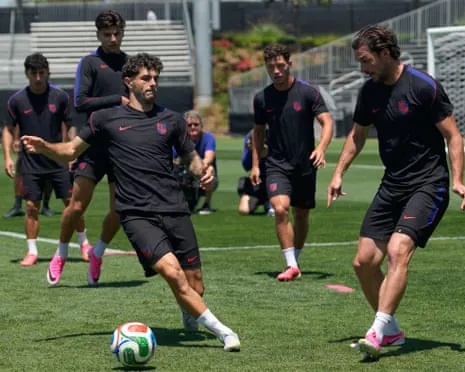
The USMNT, under coach Mauricio Pochettino, had already secured their spot in the knockout rounds with wins over Paraguay and Australia. Pochettino opted to rest some key players, including easing Christian Pulisic back into action after an injury, for the match against Turkey. The USMNT is scheduled to face Bosnia & Herzegovina next Wednesday in Santa Clara.
Upcoming Knockout Stage and Player Focus
The knockout stage promises intense competition, with teams like Curacao and Côte d’Ivoire vying for automatic spots. Curacao’s historic draw with Ecuador kept their chances alive, while Côte d’Ivoire, despite a comeback from Germany in their previous match, has shown attacking talent. Yan Diomande of Côte d’Ivoire has been noted as an electrifying player, attracting interest from European clubs.
Germany, despite their loss to Ecuador, had already secured their place in the knockouts. Felix Nmecha has been a key figure in Germany’s midfield, contributing a goal and an assist. In Group F, Japan’s strong performance, including a win over Tunisia and a draw against the Netherlands, positions them well for the knockouts. Sweden’s Alexander Isak is also a player to watch, as his form could be crucial for his team’s progression.
The Netherlands, coming off a significant win against Sweden, appears to have found a strong balance in their forward line, with Brian Brobbey playing a pivotal role. Paraguay, after a gutsy performance against Turkey, is also in a strong position to secure a place in the round of 32. Australia, despite a loss to the USMNT, has demonstrated defensive strength and a threat on the break.
The final round of group games on June 25 included matches such as Ecuador vs. Germany, Curacao vs. Ivory Coast, Japan vs. Sweden, Tunisia vs. Netherlands, Turkey vs. USA, and Paraguay vs. Australia.
Read Also
Source: nytimes.com