Updates on the Gulf of Mexico: Importance and Current Events
Introduction
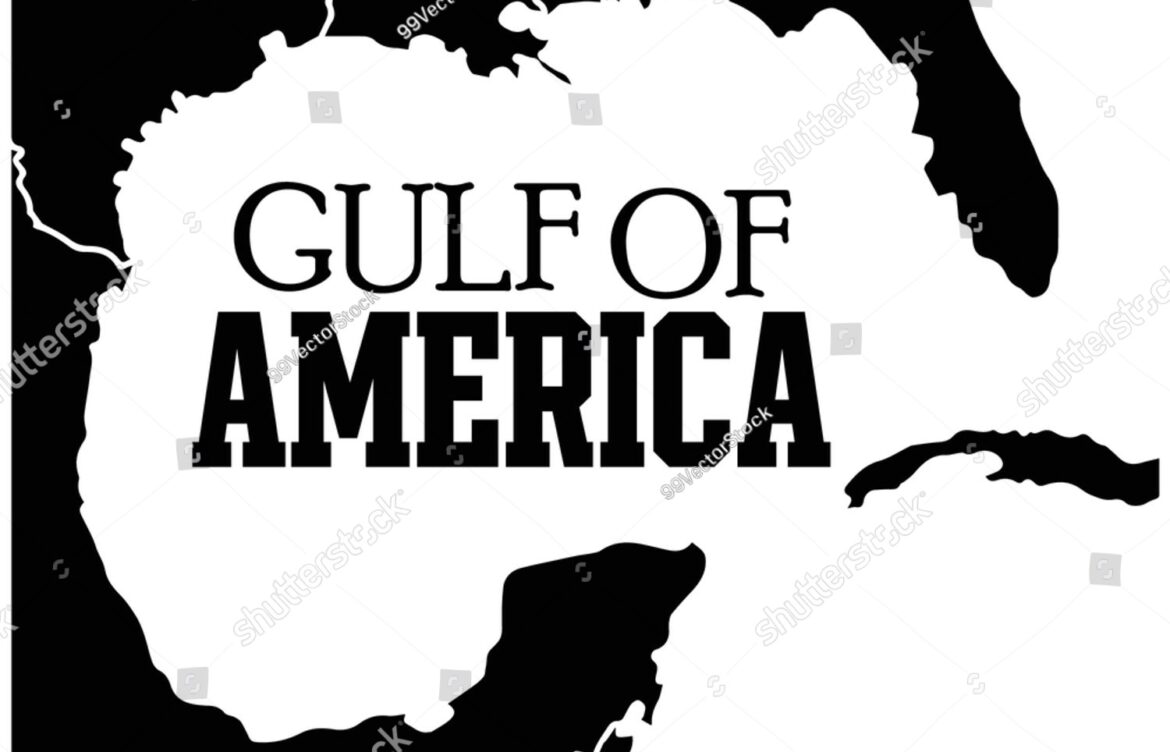
The Gulf of Mexico, a vital body of water bordered by the U.S., Mexico, and Cuba, plays a crucial role in the region’s economy, ecology, and climate. This body of water supports a rich ecosystem, contributes significantly to fishing industries, and is central to energy production. Recent events have highlighted both the natural beauty and the challenges facing this important marine area.
Current Events and Environmental Concerns
As of late 2023, the Gulf of Mexico has been in the news for several reasons. Several federal and local agencies are closely monitoring the impact of recent hurricanes on marine ecosystems and coastal communities. The National Oceanic and Atmospheric Administration (NOAA) has highlighted that these storms may cause significant alterations in water quality and marine habitats, affecting both wildlife and fishing activities.
Moreover, the ongoing effects of oil drilling and industrial pollution continue to be a prominent issue. Reports indicate that oil spills and chemical runoff from agricultural practices have had devastating impacts on local fisheries. Conservation groups are advocating for stronger regulations and more stringent enforcement to protect this marine environment.
Marine Life and Biodiversity
The Gulf is home to a diverse range of marine life, from shrimp and crabs to sharks and dolphins. However, the ecological balance is under stress due to overfishing and habitat degradation. In response, several organizations have initiated restoration programs aimed at rehabilitating habitats like coral reefs and wetlands which are crucial for the survival of many species.
Conclusion
The Gulf of Mexico remains a cornerstone for economic activity and biodiversity in the region, providing food, jobs, and recreation. However, the interplay between human activity and natural events poses significant challenges. Moving forward, it is imperative that stakeholders, including government agencies, conservationists, and the public, work collaboratively. By fostering sustainable practices and enhancing our understanding of this unique ecosystem, we can ensure that the Gulf of Mexico remains a thriving area for generations to come. Continued monitoring and proactive measures are essential to safeguard this critical region from the growing threats posed by climate change and industrial activity.