Unpacking the Myths and Facts Behind Friday the 13th
Introduction to Friday the 13th
Friday the 13th is often regarded as an unlucky day, deeply ingrained in popular culture and superstition. With its roots in folklore, this date invokes a sense of fear and anxiety, sparking fascination and countless stories. Understanding the significance of this day offers insight into cultural perceptions of luck and misfortune.
The Origins of the Superstition
The fear of the number 13, known as triskaidekaphobia, dates back to ancient times. Some scholars trace the superstition to Norse mythology, where a banquet in Valhalla was interrupted by a 13th guest, Loki, leading to chaos and disaster. In Christianity, the Last Supper had 13 attendees, concluding with Judas Iscariot betraying Jesus, further solidifying the negative connotation surrounding this number.
Friday’s Reputation
Fridays also carry a historical stigma. In numerous cultures, Friday is associated with bad luck; for example, some believe it is an ill-fated day for travel or important decisions. This combination of an unlucky day and an unfortunate number has established Friday the 13th as a day where mishaps are believed to lurk.
Modern Depictions and Cultural Impact
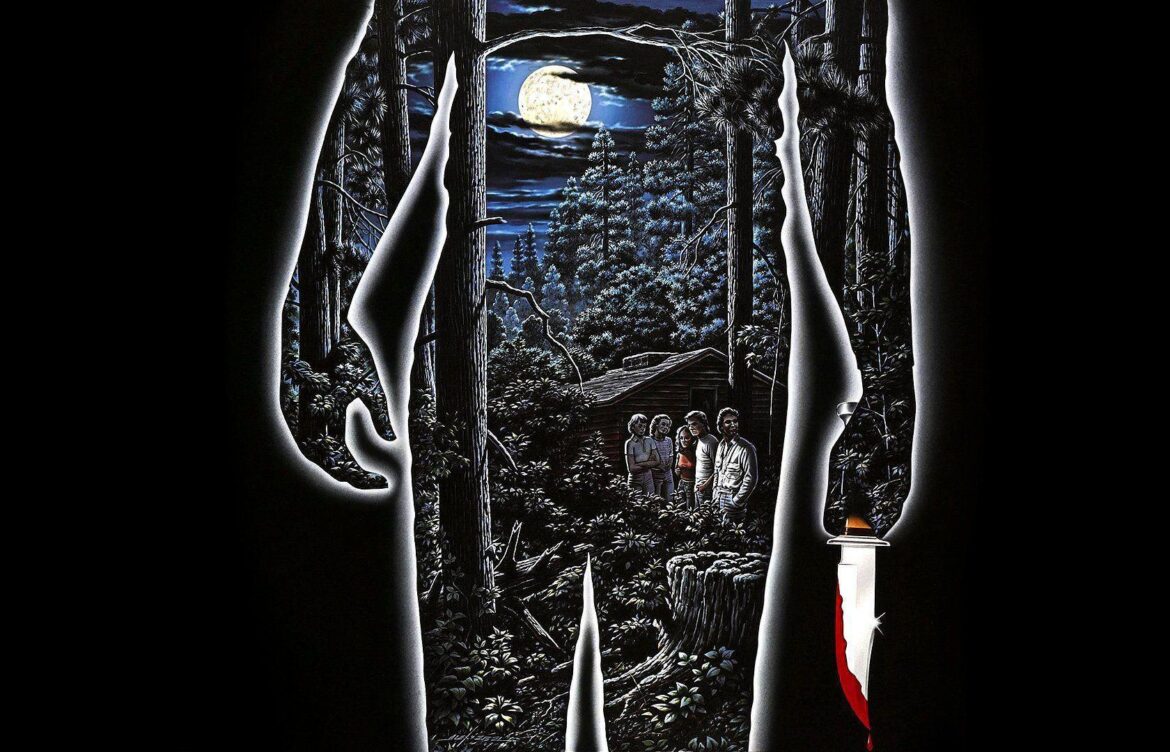
The fascination with Friday the 13th has been amplified in modern times through the entertainment industry. The 1980 horror film franchise “Friday the 13th” introduced the character of Jason Voorhees, introducing audiences to a setting where bad luck and terror intertwine. Since then, this date has become synonymous with horror films, haunted attractions, and chilling tales, perpetuating the narrative that Friday the 13th is a day to be wary of.
Global Celebrations and Reactions
Interestingly, while many dread the day, some cultures embrace it. In Italy, for instance, Friday the 17th is considered unlucky instead of the 13th. In contrast, some individuals celebrate the day with themed parties and events dedicated to the macabre and the spooky, showcasing the duality in perceptions of this infamous date.
Conclusion: The Dual Nature of Friday the 13th
Friday the 13th exemplifies how cultural beliefs and historical events can shape collective attitudes toward specific days. Whether viewed as a day to avoid or one to embrace, the significance of Friday the 13th will likely continue as part of global cultural narratives. As more people engage with the day through personal traditions or entertainment, its impact on society remains palpable, qualifying it as a day worthy of both fear and fascination.