Understanding Winter Storm Warning Weather Alerts
The Importance of Winter Storm Warnings
As the winter months approach, weather-related challenges become increasingly common, making it crucial to understand winter storm warnings. These alerts play a significant role in preparing individuals and communities for potentially hazardous weather, including heavy snowfall, ice storms, and frigid temperatures. The National Weather Service (NWS) issues these warnings to inform the public about severe weather that could lead to dangerous conditions.
What Triggers a Winter Storm Warning?
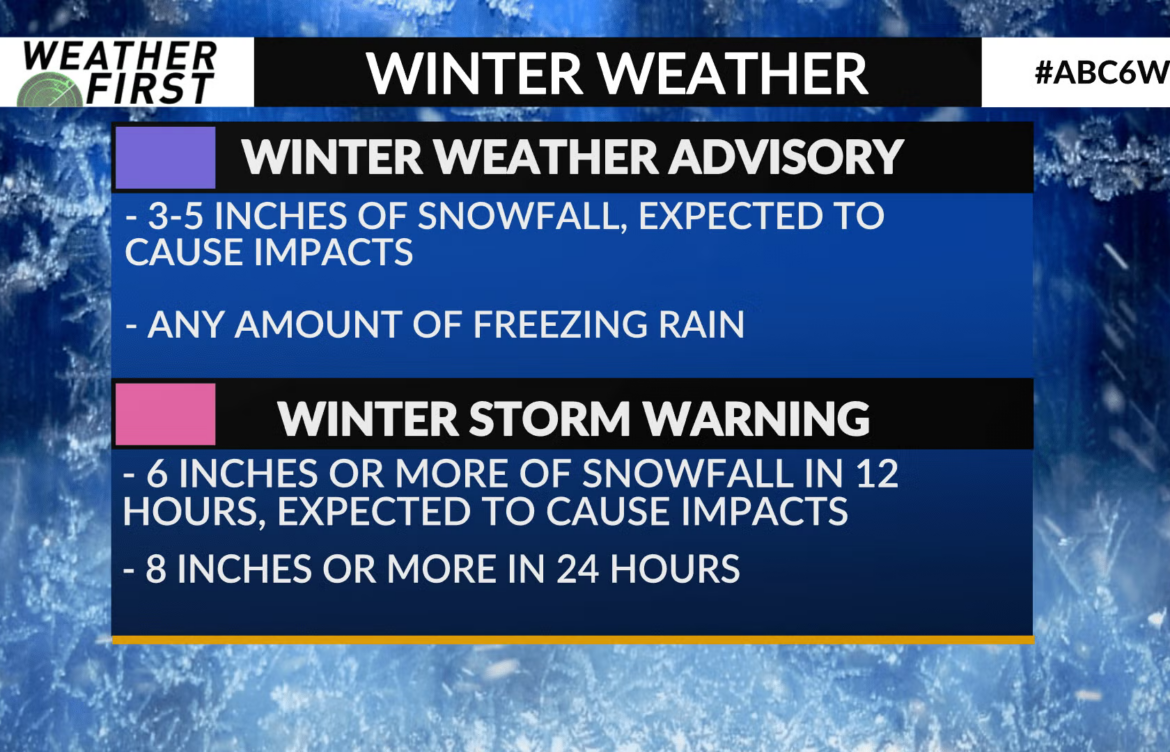
A winter storm warning is typically issued when a significant winter weather event is expected to produce hazardous impacts, such as heavy snow accumulation of 6 inches or more, dangerous ice storms, or a combination of both. During these events, travel can become treacherous, causing road closures and hazardous conditions for pedestrians. It is essential for residents in affected areas to heed these warnings and take necessary precautions to ensure their safety.
Recent Winter Storm Developments
In recent weeks, the northeastern regions of the United States have experienced fluctuating temperatures that resulted in both snowfall and icy conditions. The latest winter storm warning, issued on January 15, 2024, predicted a major winter weather system affecting states from Pennsylvania to Maine. Predictions indicated snow accumulation could reach up to 12 inches in some locations, accompanied by high winds causing low visibility and potential power outages.
Local authorities and emergency services have been actively preparing for these warnings by distributing resources and ensuring that road crews are on standby to clear highways and major thoroughfares. Residents have been strongly advised to stay updated through local news channels or the NWS website for real-time information about the storm’s progress and any necessary travel advisories.
Preparing for Winter Storms
As winter storms can arrive with little notice, having a plan is vital. Families are encouraged to prepare an emergency kit that includes essentials like food, water, flashlights, batteries, and first aid supplies. Additionally, maintaining communication channels is important, as cell phone services may be hindered during severe weather.
Conclusion: Staying Vigilant in Severe Weather
As winter storms become more prevalent, being informed about warning systems and knowing how to react can save lives. Understanding the significance of winter storm warnings and preparing for extreme weather events will help minimize risks. Residents should continue to monitor forecast updates throughout the winter season to ensure their safety and that of their loved ones.