Understanding Venezuelan Temporary Protected Status (TPS)
Introduction
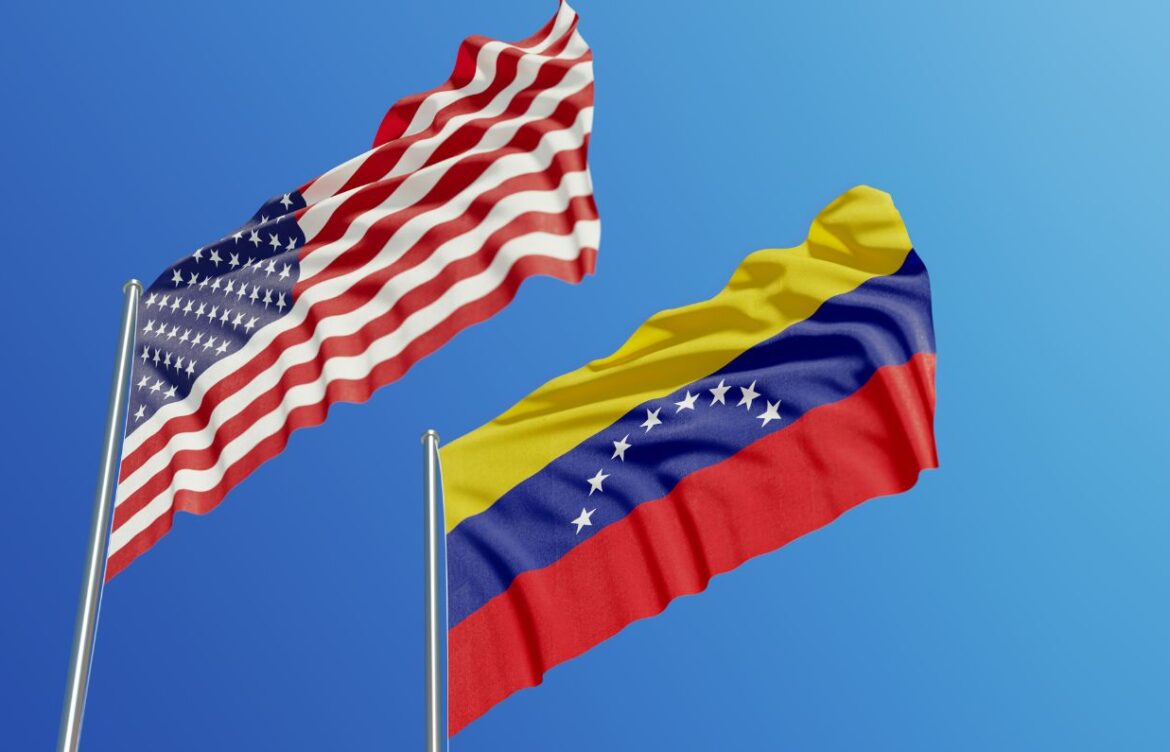
The Temporary Protected Status (TPS) program has emerged as a vital lifeline for Venezuelan nationals facing severe crises in their home country. As Venezuela continues to grapple with political turmoil, economic collapse, and widespread human rights violations, the TPS designation provides protection from deportation and eligibility for work permits for Venezuelans residing in the U.S. This update examines the current status of Venezuelan TPS and its implications for affected individuals and communities.
Current Status of Venezuelan TPS
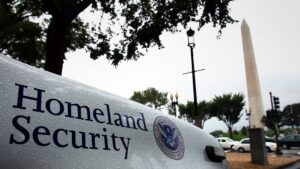
In March 2021, the U.S. Department of Homeland Security (DHS) announced the designation of TPS for Venezuelans, effective from March 2021 to September 2022. This designation allowed hundreds of thousands of Venezuelans to apply for temporary relief from deportation and the ability to legally work in the United States. In July 2022, Secretary of Homeland Security Alejandro Mayorkas announced an extension of TPS for Venezuelans, further granting an additional 18-month relief period, which now extends until March 2024. This extension is crucial as the political and economic situations in Venezuela show no signs of improvement.
Impact on Venezuelan Nationals
As of the most recent estimates, around 320,000 Venezuelans have relocated to the United States under the TPS framework, benefiting from the additional support that allows them to remain and contribute to their communities without the fear of deportation. The TPS allows these individuals to work legally, which is particularly essential given the high unemployment rate and harsh economic realities many Venezuelans face. Moreover, the extension provides stability for families that may have been separated due to immigration issues.
Community Support and Advocacy
Various advocacy groups and community organizations are actively working to provide resources and support for Venezuelan TPS beneficiaries. Legal aid services, employment assistance programs, and educational resources are being offered to help these individuals navigate their new lives in the U.S. The involvement of these organizations highlights the importance of community solidarity and support for immigrant populations.
Conclusion
The continuation of Venezuelan TPS presents both opportunities and challenges for Venezuelan nationals in the U.S. as they continue to seek refuge from the dire circumstances in their homeland. Looking ahead, the U.S. government will need to monitor the situation in Venezuela closely and consider further extensions or adjustments to the TPS program as conditions evolve. For those affected, advocacy efforts will remain key to ensuring their rights and stability in the United States.