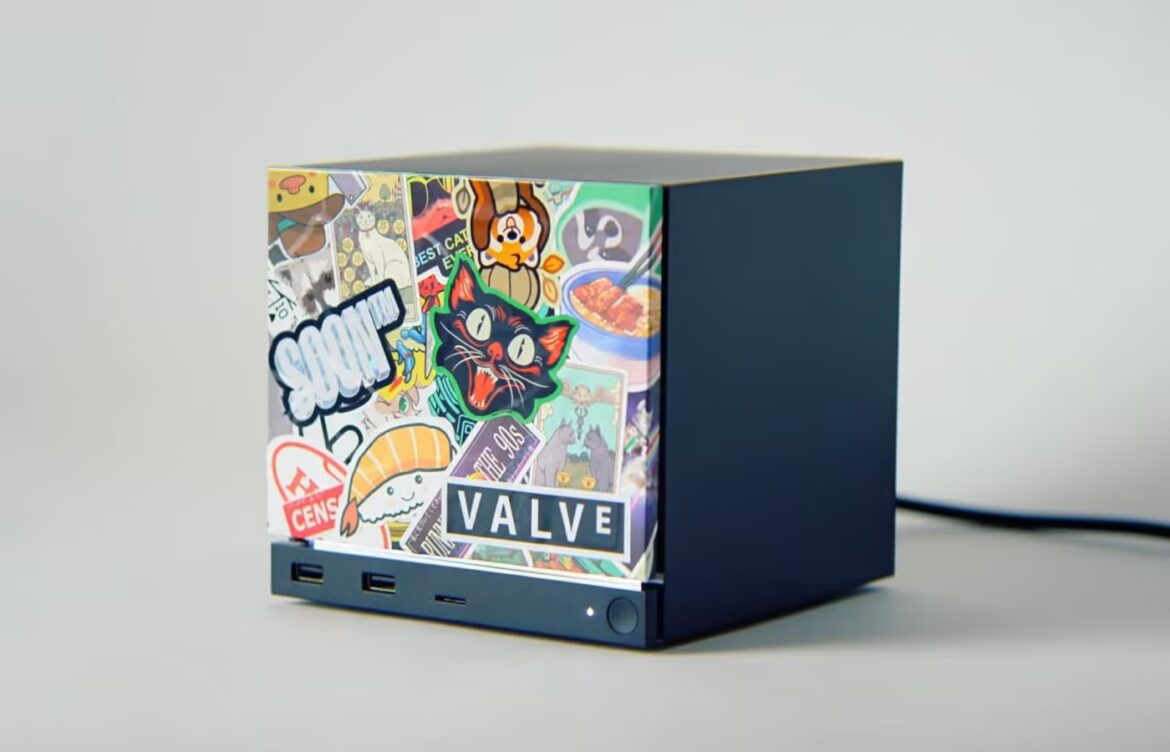
Understanding Valve’s Steam Machine: A Gaming Revolution
Introduction to Valve’s Steam Machine
In the evolving landscape of gaming technology, Valve’s Steam Machine has emerged as a pivotal player, bridging the gap between traditional gaming consoles and personal computers. Established by the game development and digital distribution company Valve Corporation, the Steam Machine represents not just hardware innovation but also a shift in how games are accessed and played. As gaming continues to expand its terms and reach, understanding the developments surrounding the Steam Machine is essential for gamers and tech enthusiasts alike.
What is the Steam Machine?
The Steam Machine was announced in 2013 as part of Valve’s venture to promote SteamOS, a Linux-based operating system developed specifically for gaming. This initiative aimed to transform the gaming experience by providing gamers with a way to enjoy their Steam library on their living room televisions, similar to a console experience. Valve partnered with several manufacturers, each offering their take on the Steam Machine concept, resulting in various configurations that appeal to different segments of the gaming community.
Key Features and Developments
The Steam Machine is built on the premise of versatility and performance. These machines typically come with powerful hardware capable of running demanding games at high definitions alongside customizable software tailored to gamers’ preferences. The introduction of features like the Steam Controller, designed specifically for the Steam Machine, has also garnered attention for its innovative approach to tackling the conventional mouse-and-keyboard setup typical of PC gaming.
Despite initial excitement, the Steam Machine faced challenges concerning market acceptance. The vast variety of models produced by multiple manufacturers led to confusion among consumers, with variations in price and performance making it difficult for the average gamer to navigate their options.
Current Status and Future Outlook
As of 2023, while the Steam Machine may not have captured the gaming market in the way Valve anticipated, the concepts introduced alongside it have continued to influence the industry. SteamOS has paved the way for other console-like systems, and the introduction of gaming-focused PCs has become more mainstream, showcasing the advantages of PC gaming in a home environment.
Looking forward, the significance of the Steam Machine may lie in its legacy of encouraging innovation in gaming hardware and software. With major developments in cloud gaming and cross-platform capabilities on the rise, Valve’s early efforts with the Steam Machine will likely continue to impact how gaming evolves.
Conclusion
The Valve Steam Machine symbolizes an ambitious attempt to redefine gaming accessibility and experience. Although it did not achieve widespread adoption, its influence persists in the realm of gaming technology, informing new products and features that cater to the modern gamer. As the gaming industry continues to progress, the principles behind the Steam Machine provoke thought on the balance between hardware and user experience, indicating an ever-evolving future for gaming enthusiasts.