Understanding the Wisconsin vs Illinois Rivalry
Introduction
The rivalry between Wisconsin and Illinois is not just a matter of state pride; it’s a cultural, economic, and sports-related competition that has significant implications for both states. With shared borders and a history rich in agriculture, industry, and higher education, the tensions and cooperations between these two Midwestern states play a critical role in regional development and identity.
Historical Context
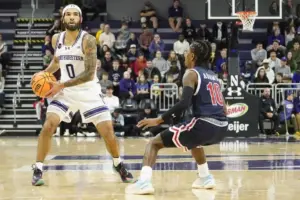
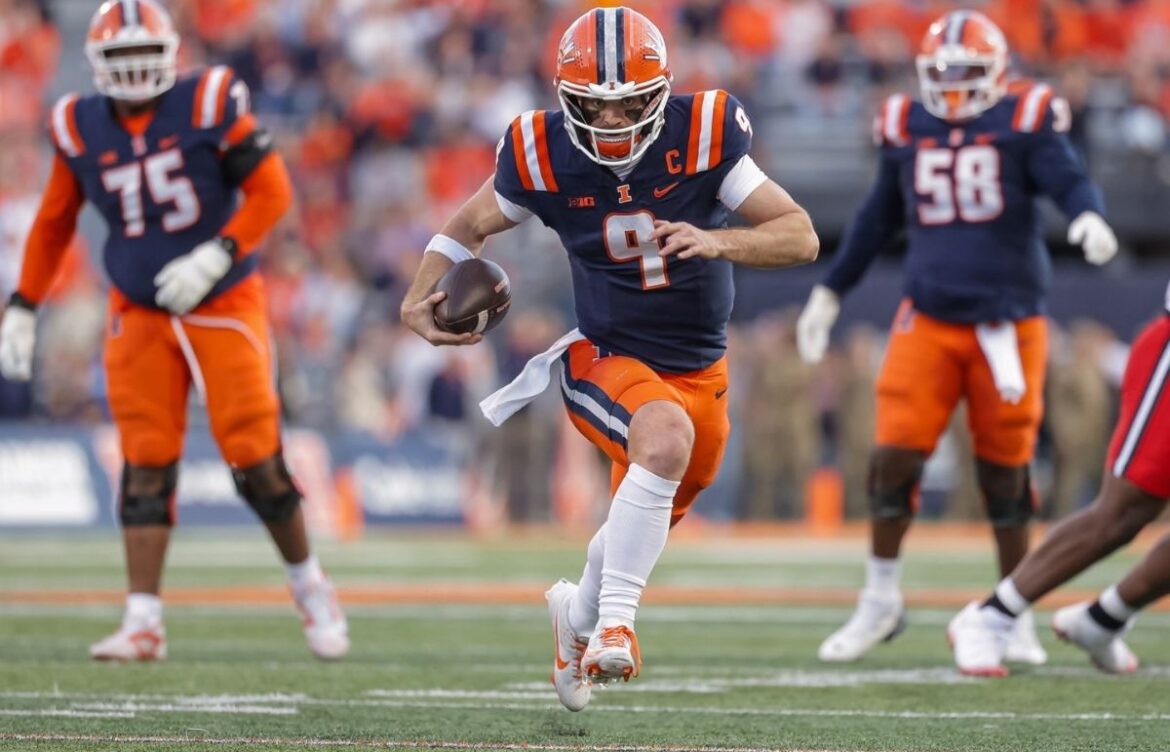
The Wisconsin vs Illinois dynamic has roots that stretch back to territorial disputes and settlement patterns in the 19th century. Wisconsin, known for its dairy industry and vast natural resources, and Illinois, a hub of manufacturing and urbanization, have traded barbs and competitive advantages for generations. The rivalry has been especially vigorous in collegiate sports, with the University of Wisconsin-Madison and the University of Illinois at Urbana-Champaign facing off in various athletic events, particularly in football and basketball.
Recent Developments
In recent years, this rivalry has seeped into arenas beyond sports. Issues such as water rights, agricultural management, and environmental policies have sparked disagreements between the two states. For instance, the water levels of the Great Lakes have become a contentious issue, with Wisconsin advocating for responsible usage while Illinois continues to face pressures from urban expansion and industrial needs.
Moreover, the COVID-19 pandemic highlighted differences in political leadership and health strategies. Wisconsin’s measures emphasized personal freedom, while Illinois adopted stricter regulations. This divergence has affected tourism, commerce, and interstate relations.
Culture and Identity
Culturally, both states showcase unique identities shaped by their history and demographics. Wisconsin, with its lush landscapes and rural roots, is often viewed as a bastion of traditional Midwestern values, centered around community and agriculture. Alternatively, Illinois, particularly Chicago, represents a more urbanized and diverse identity, attracting individuals from various backgrounds and regions.
Conclusion
As Wisconsin and Illinois navigate their rivalry, it remains crucial for citizens and leaders in both states to find common ground while celebrating their unique identities. The competitive spirit will undoubtedly continue to thrive, but understanding the complexities and collaborations present can lead to a more cooperative future. With ongoing features like sports matchups and collaborative projects like environmental initiatives or business partnerships, there is potential for both states to prosper together in a way that benefits their residents and solidifies their roles in the economic landscape of the Midwest.