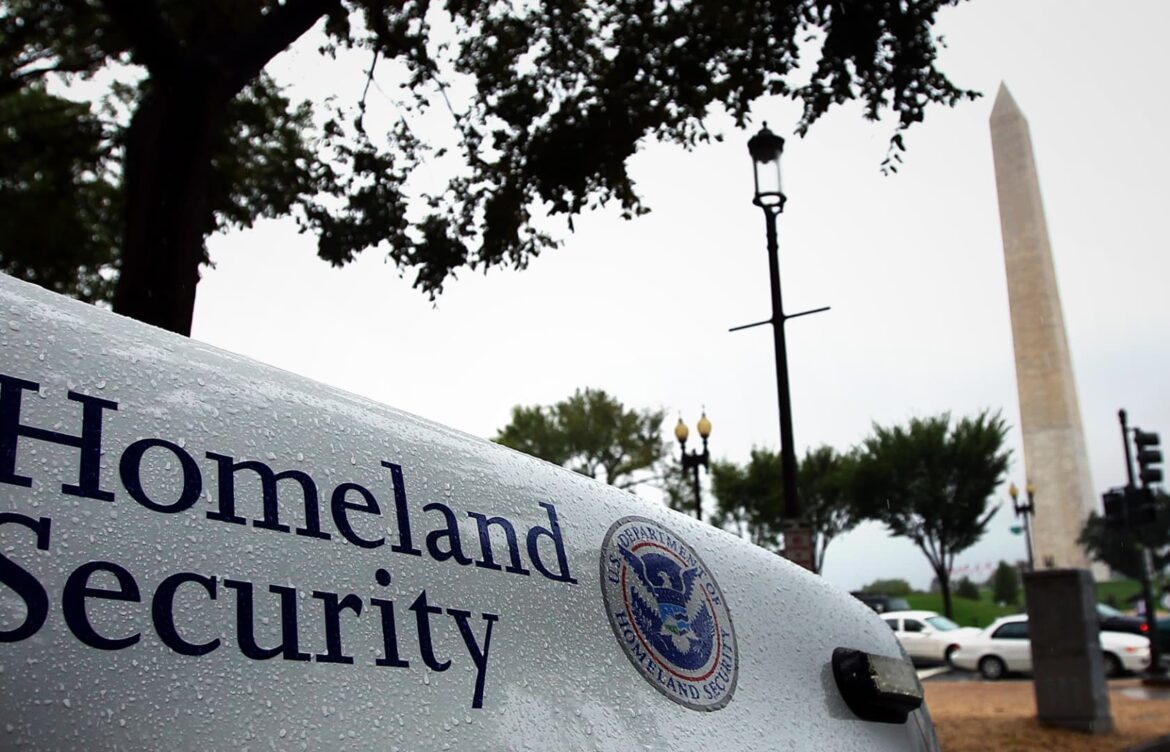
Understanding the DHS Shutdown and Its Consequences
Introduction
The looming possibility of a DHS shutdown has raised concerns across various sectors, particularly regarding national security and the potential impact on vital services. The Department of Homeland Security (DHS) plays a critical role in safeguarding the nation from threats, including terrorism, cyber attacks, and natural disasters. Understanding what a shutdown entails and its ramifications is essential for citizens, policymakers, and stakeholders.
Potential Causes of a DHS Shutdown
A government shutdown typically occurs due to budget disagreements between Congress and the executive branch. The DHS, like other government agencies, requires funding to operate effectively. As of late 2023, funding disputes over border security initiatives and immigration policies have intensified, leading to discussions about a possible halt in operations if a consensus is not reached.
Immediate Effects of a DHS Shutdown
In the event of a DHS shutdown, numerous services could be impacted. Federal employees may face furlough, halting essential services such as immigration processing, border patrol operations, and cybersecurity initiatives. The Federal Emergency Management Agency (FEMA), part of DHS, may also see a reduction in its ability to respond to disasters during a government shutdown, raising serious concerns about public safety.
Long-term Implications for National Security
National security could face significant challenges due to a DHS shutdown. With resources strained, monitoring and responding to threats may be disrupted. Experts warn that such a halt could provide adversaries with opportunities to exploit gaps in security operations, potentially leading to increased risks for citizens. Additionally, international relations could be strained as the U.S. demonstrates a lack of operational capability.
Public and Political Response
The public response to a DHS shutdown tends to be mixed, with many citizens expressing concern over the security implications. Advocacy groups have called for bipartisan negotiations to ensure that DHS remains funded and operational. Political leaders on both sides of the aisle face pressure to find a solution that prioritizes national security while addressing budgetary concerns.
Conclusion
A potential DHS shutdown poses serious risks to national security, critical services, and public safety. As discussions continue in Washington, the significance of reaching a budget agreement remains evident, not just for government employees but for every American. Timely intervention may avert not only the shutdown itself but also the long-term repercussions on the nation’s security framework. Citizens and stakeholders are urged to remain informed and engaged as this issue unfolds.