Understanding the Dense Fog Advisory: Safety Tips and Implications
Introduction
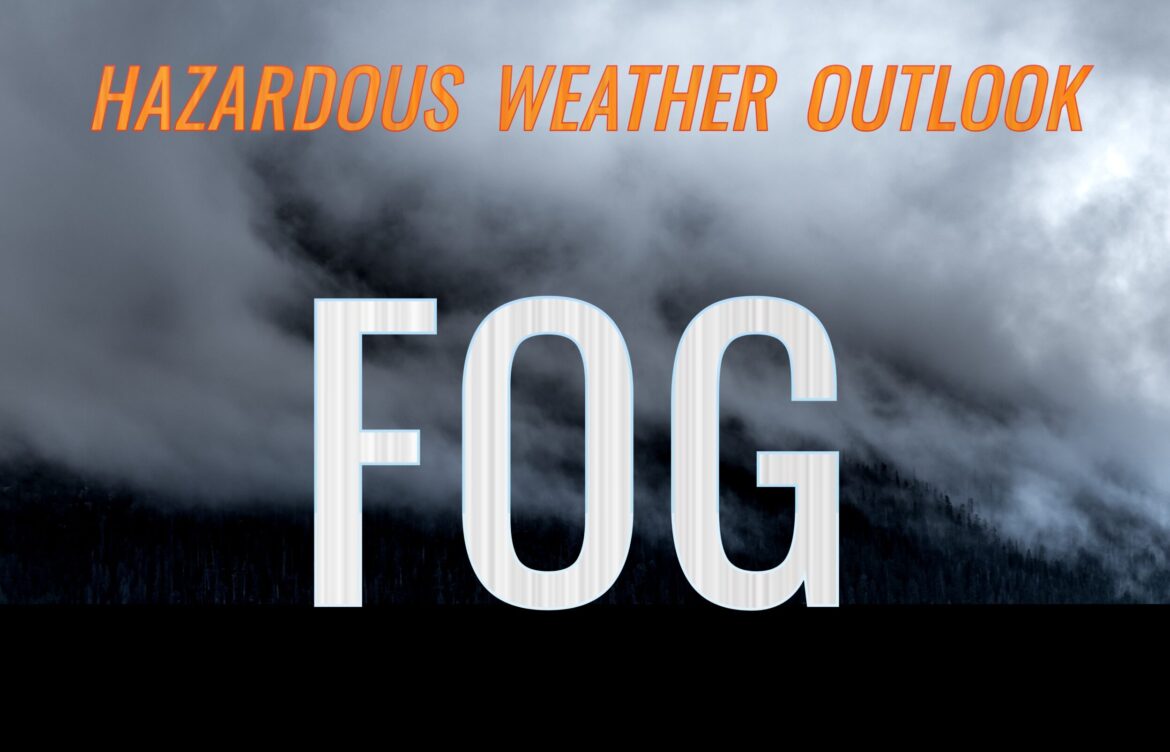
A dense fog advisory is issued when visibility falls below a specified threshold, typically one-quarter mile or less. These advisories are crucial for public safety, as they alert motorists and pedestrians to potentially hazardous conditions. As the winter months approach and temperatures drop, occurrences of dense fog become more frequent, making it important for individuals to understand what this advisory entails and how to respond.
Current Situation
As of mid-November 2023, several regions in the United States, particularly in the Midwest and Northeast, have been experiencing dense fog conditions. The National Weather Service (NWS) has issued advisories for areas including parts of Illinois, Ohio, and Pennsylvania. Reports have indicated that visibility in some areas has dropped to below a quarter mile, leading to complicated travel conditions.
The fog is primarily caused by warm, moist air moving over cooler surfaces, which is common during autumn and leading into winter. Additionally, factors such as temperature inversion—where a layer of warm air traps cooler air closer to the ground—can contribute to the development of dense fog.
Implications for Public Safety
Motorists are particularly vulnerable during these conditions. A dense fog advisory warns against driving unless necessary and emphasizes the importance of driving at reduced speeds, using low beam headlights, and maintaining a greater following distance. Local authorities are urging the public to avoid travel during peak fog periods to reduce the risk of accidents.
Community resources have also stepped up to provide information and safety tips. Local news outlets are sharing updates about real-time visibility on highways and major roads to better inform drivers about current conditions.
Conclusion
The significance of a dense fog advisory extends beyond the immediate weather condition; it serves as a reminder to remain cautious and aware of environmental factors influencing travel safety. As forecasts predict continued foggy conditions in the coming weeks, it is essential for residents to heed these warnings and prioritize safety. Tips such as using navigation apps for real-time updates and avoiding driving during peak fog can significantly reduce the risk of accidents. By staying informed and prepared, individuals can navigate these challenging weather conditions safely.