Understanding Ohio Kindergarten Age Law Changes
Introduction
The age at which children can enter kindergarten in Ohio has significant implications for early childhood education and long-term academic success. These laws determine not only when children can start their formal education but also influence developmental readiness and social skills.
Current Regulations
As of 2023, the Ohio kindergarten age law mandates that children must be five years old by September 30 of the academic year in which they are enrolling. This regulation is essential as it helps standardize the entry age for public schools across the state, ensuring a level playing field for all children.
Recent Changes and Discussions
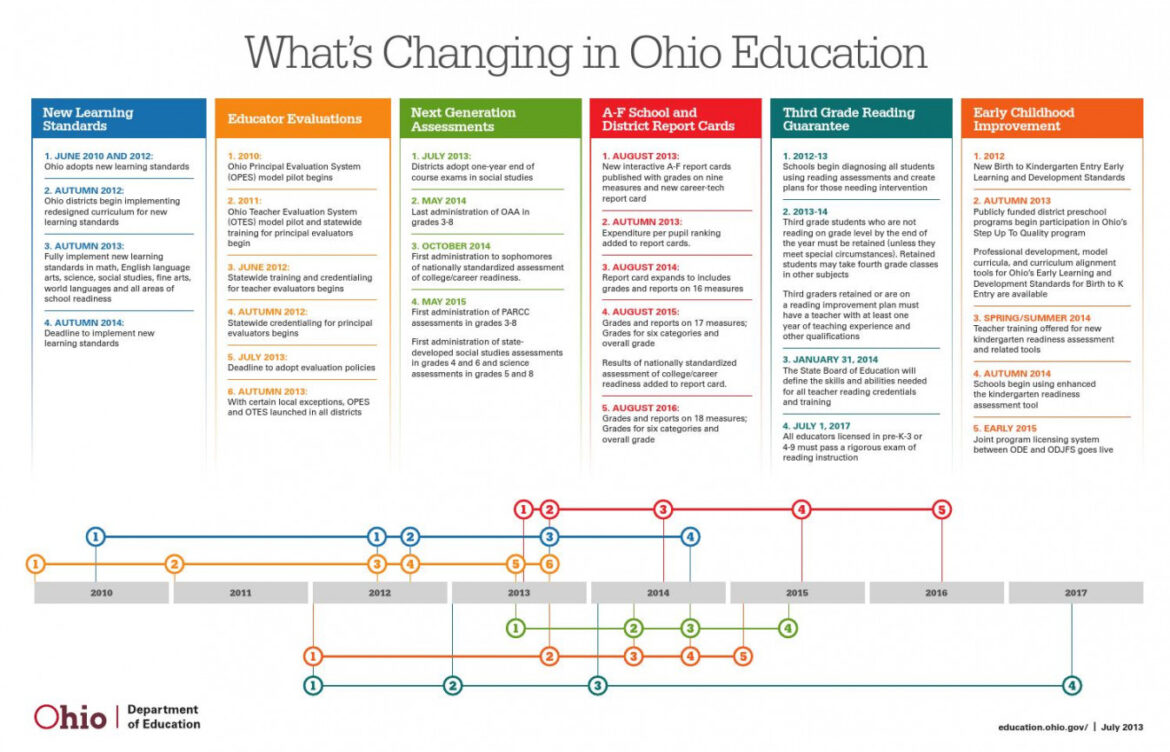
Amid ongoing discussions regarding educational preparedness and developmental milestones, legislators have proposed adjustments to the kindergarten entry age, contemplating an option for children to enter if they turn five by October 31. Proponents argue that this extension could accommodate children with varying developmental needs and allow more flexibility for parents, especially those with late summer and early fall birthdays.
Moreover, Ohio’s Early Childhood Advisory Council has recommended reviewing the existing readiness assessments and increasing funding for early childhood education programs. This call for action emphasizes the necessity of not only considering age but also a child’s readiness and equality in educational opportunities.
Impact on Families and Schools
These potential changes could have a ripple effect on families and schools across Ohio. Parents may face dilemmas regarding their child’s readiness for school, while educators might have to adapt curricula and teaching strategies to accommodate a broader range of ages in the classroom.
Conclusion
The Ohio kindergarten age law remains a pivotal aspect of the educational landscape, with ongoing discussions poised to influence its future. Flexible entry age policies could lead to individualized educational experiences that support developmental readiness rather than strictly adhering to chronological age. As these debates unfold, it is crucial for families and educators to stay informed about potential changes that could shape the educational environment for years to come.