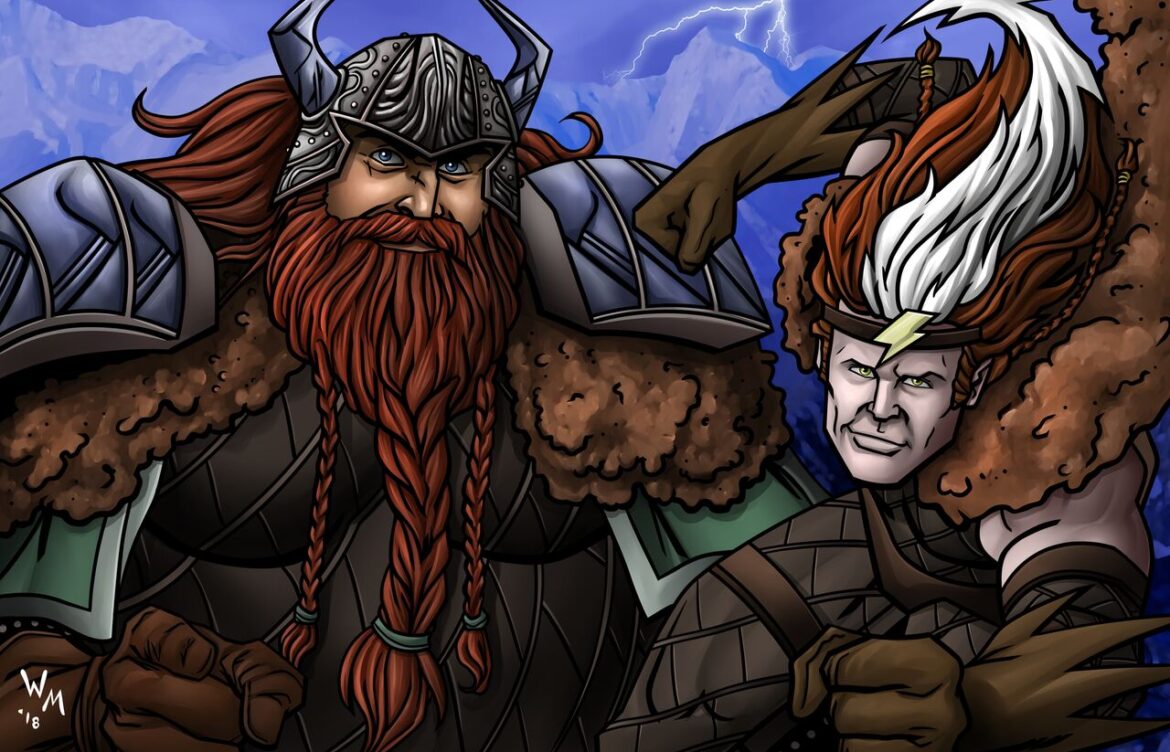
Understanding Norse Mythology: Legends and Cultural Impact
Introduction to Norse Mythology
Norse mythology is a rich tapestry of legends and traditions from ancient Scandinavia, encompassing a wide range of deities, heroes, and mythical creatures. Its significance is not only rooted in ancient texts, such as the Poetic and Prose Edda, but also in the impact it has had on modern culture, literature, and art. Understanding Norse mythology is essential for grasping the historical and cultural foundations of Northern Europe.
Deities and Legends
At the center of Norse mythology are its gods and goddesses, including Odin, the Allfather; Thor, the god of thunder; and Freyja, the goddess of love and war. Stories of these figures include heroic quests, battles with giants, and the cyclical nature of life and death. One of the most notable narratives is the concept of Ragnarök, the end of the world, which speaks to the dual themes of destruction and rebirth.
Modern Interpretations and Influences
In recent years, Norse mythology has experienced a resurgence in popular culture. From the Marvel Cinematic Universe’s representations of Thor and Loki to various video games and literature, these ancient stories continue to capture the imagination of new generations. This revival introduces audiences worldwide to Norse mythology, leading to discussions about its relevance in contemporary society and how it informs modern identity.
Significance in Today’s World
Norse mythology’s elements can be found in various aspects of modern life, including symbolism in art and literature, ethical and moral discussions, and even language. Terms such as ‘berserk’ and ‘Friday’ (derived from Freyja) show how deeply engrained these myths are in English. Furthermore, the revival of interest in Norse history and tradition often sparks debates surrounding cultural appropriation and heritage, emphasizing the need for respectful engagement with these ancient stories.
Conclusion
Norse mythology is more than just an ancient belief system; it is a living cultural narrative that continues to shape and influence modern storytelling and identity. As we delve into these myths, we not only celebrate their historical significance but also reflect on their application to contemporary life. Ongoing interest in Norse scholars and enthusiasts encourages the preservation of these rich narratives, ensuring they remain relevant for future audiences.