Understanding Kim Jong Un’s Leadership and Its Global Impact
Introduction
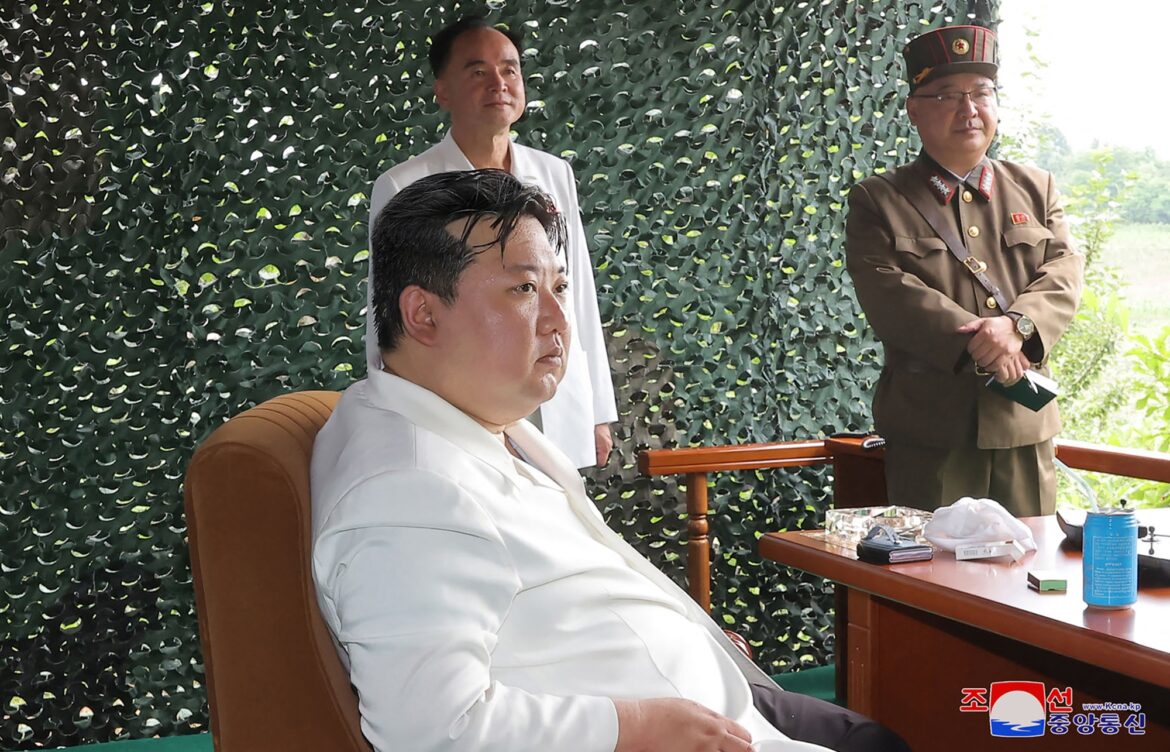
Kim Jong Un, the Supreme Leader of North Korea, is a pivotal figure in contemporary geopolitics. His actions and policies not only shape the dynamics within his country but also have far-reaching implications for global security, economic relations, and regional stability. In light of ongoing international tensions and recent developments, it is essential to understand the significance of his leadership style and actions.
Main Body
Consolidation of Power
Since taking power in December 2011, following the death of his father, Kim Jong Il, Kim Jong Un has worked to consolidate his authority. This has included purging high-ranking officials and promoting loyalty over experience. This strategy has resulted in a regime that prioritizes strict control over the populace and an unwavering commitment to its nuclear program.
Nuclear Aspirations
North Korea’s nuclear ambitions have escalated under Kim’s direction. Recent tests of intercontinental ballistic missiles (ICBMs) and other military capabilities have drawn international condemnation, prompting sanctions from the United Nations. In September 2023, North Korea conducted its most recent missile tests, showcasing advanced technology that has widened its reach beyond the Korean Peninsula, further complicating diplomatic efforts with the United States and South Korea.
International Relations
Kim’s leadership has also seen a delicate dance in international relations. While he has expressed a desire for dialogue with world leaders, including past summits with former U.S. President Donald Trump, his regime has continued to provoke responses through tests and military posturing. In recent months, North Korea has engaged in talks with China and Russia, underpinning a strategy to strengthen alliances in the face of Western sanctions and military challenges.
Domestic Challenges
Internally, Kim Jong Un faces significant challenges, including a struggling economy exacerbated by international sanctions and the COVID-19 pandemic. Reports indicate food shortages due to harsh sanctions and natural disasters. The government’s response to these crises is crucial in maintaining his grip on power.
Conclusion
As Kim Jong Un continues to navigate the complexities of his leadership, the implications of his decisions extend far beyond North Korea. His regime’s nuclear program, combined with his proclivity for international brinkmanship, keeps the global community on high alert. Understanding the motivations and challenges faced by Kim’s leadership is key to forecasting future developments in Asia-Pacific security and international diplomacy. How the world responds to his actions will shape not only the future of North Korea but also the geopolitical landscape of the region.