Understanding Dense Fog Advisory and Its Implications
Introduction to Dense Fog Advisory
A dense fog advisory is issued by meteorological services when fog conditions pose a significant risk to travel and outdoor activities. These advisories are crucial for public safety, as low visibility due to fog can lead to dangerous driving conditions and increased accident rates.
Current Events Regarding Dense Fog Advisories
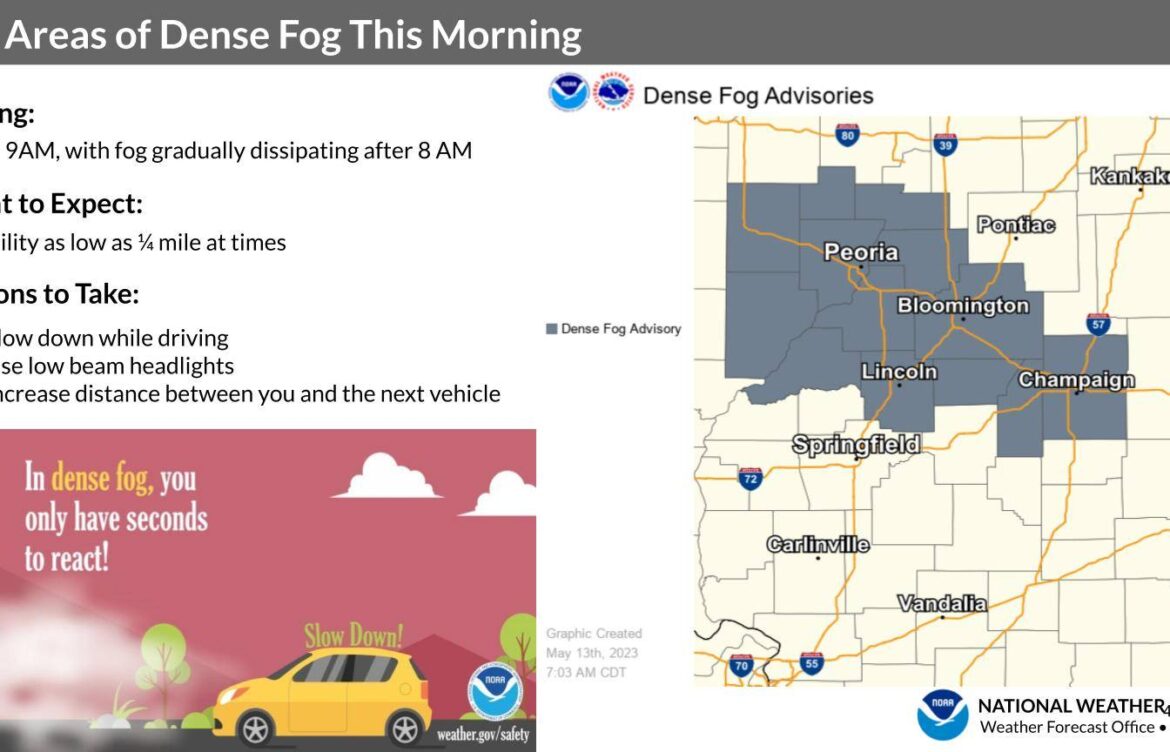
Recently, numerous parts of the United States have been experiencing periods of dense fog, particularly in the Midwest and Northeast regions. As temperatures have fluctuated, moisture in the air has created ideal conditions for fog formation. Last week, the National Weather Service (NWS) issued dense fog advisories in states including Illinois, Indiana, and Pennsylvania, warning residents to exercise caution while driving.
In Illinois, for instance, visibility dropped to less than a quarter mile in some areas, prompting local authorities to urge commuters to allow extra time for their journeys and to use fog lights. Meanwhile, in Pennsylvania, some major highways were congested due to reduced visibility, resulting in several minor accidents.
Safety Tips During Dense Fog Conditions
For individuals navigating through areas affected by dense fog, it is essential to adhere to safety recommendations. The NWS advises drivers to slow down, increase following distances, and use low-beam headlights, as high beams can reflect off the fog, reducing visibility further. In addition, be mindful of road markings and signals, as these can be harder to discern in foggy conditions.
Conclusion and Future Outlook
As climate patterns continue to shift, meteorologists predict that incidents of dense fog will become increasingly frequent, especially during transitional seasons. Staying informed through weather advisories and local forecasts is vital. Observing proper safety measures when a dense fog advisory is active can prevent accidents and ensure public safety. By understanding the risks associated with fog and preparing adequately, communities can better navigate these challenging weather conditions.