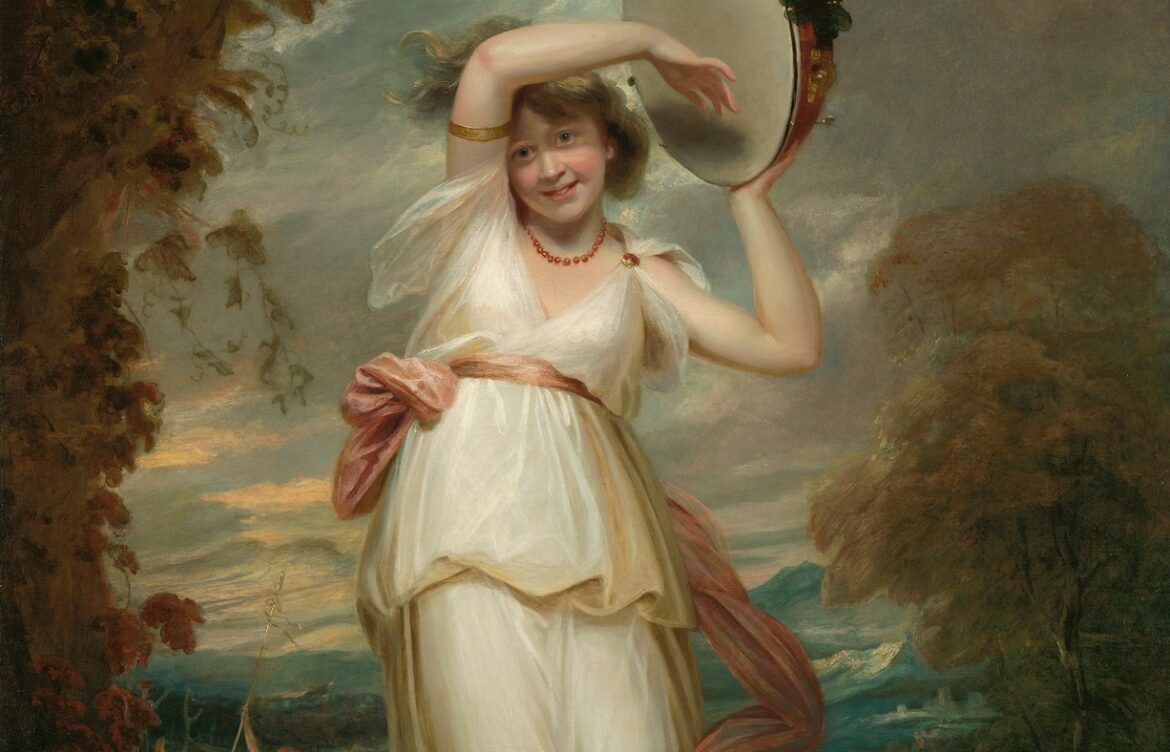
The Significance of Painting in Arts and Culture
Introduction
Painting is one of the oldest and most acclaimed forms of artistic expression, integral to human culture and society. This medium has played a pivotal role in storytelling, celebration, and the representation of emotions throughout history. As societies evolve, so does the significance of painting, reflecting changes in values, perspectives, and technological advancements. Understanding the current trends in painting allows us to grasp its enduring relevance in the contemporary art world.
Evolution of Painting
From prehistoric cave paintings to modern digital art, the evolution of painting showcases humanity’s creative journey. The Renaissance period marked a monumental shift with masters like Leonardo da Vinci and Michelangelo pushing boundaries through techniques such as perspective. In the 20th century, movements such as Impressionism, Abstract Expressionism, and Surrealism further diversified the realm of painting, encouraging individual interpretation and emotional depth. These historical milestones set the stage for today’s evolving landscape.
Current Trends in Painting
Today, painting continues to thrive as a dynamic form of expression. The rise of digital technology has transformed traditional practices, merging paint with digital techniques which are increasingly popular among younger artists. Additionally, artists are exploring themes of identity, social justice, and environmental issues, making their work resonate with contemporary audiences. Engaging with communities through public murals and interactive installations has also added a new dimension to how painting is perceived in society.
Impact of Painting on Society
Painting serves as a powerful communication tool, conveying messages that transcend language barriers. In times of social upheaval, artists use their canvases to comment on political issues, rally for change, or simply provide solace. Events like the George Floyd protests saw a surge in street art, where visual representations voiced collective sentiments. Moreover, numerous studies highlight the psychological benefits of engaging with art—both in creating and viewing—contributing positively to mental health and stimulating creative thinking.
Conclusion
As we look towards the future, the relevance of painting remains steadfast. It is not merely a reflection of the past but rather a living, evolving practice that will continue to adapt to the changing dynamics of society. The beauty of painting lies in its ability to connect people and cultures, sparking dialogues that inspire understanding and empathy. For art enthusiasts and casual observers alike, the world of painting holds an eternal significance that is worth exploring.