The Rise of Secondhand Don Toliver Merchandise
Introduction
As the popularity of artists continues to shape fashion trends, the recent surge in secondhand merchandise associated with hip-hop artist Don Toliver has captured the attention of fans and fashion enthusiasts alike. With the rise of sustainability in fashion, secondhand shopping is becoming a prevalent choice for individuals who wish to sport unique styles while promoting eco-friendly practices. This article explores the growing phenomenon of secondhand Don Toliver merchandise and its relevance in today’s consumer culture.
Current Trends in Secondhand Merchandise
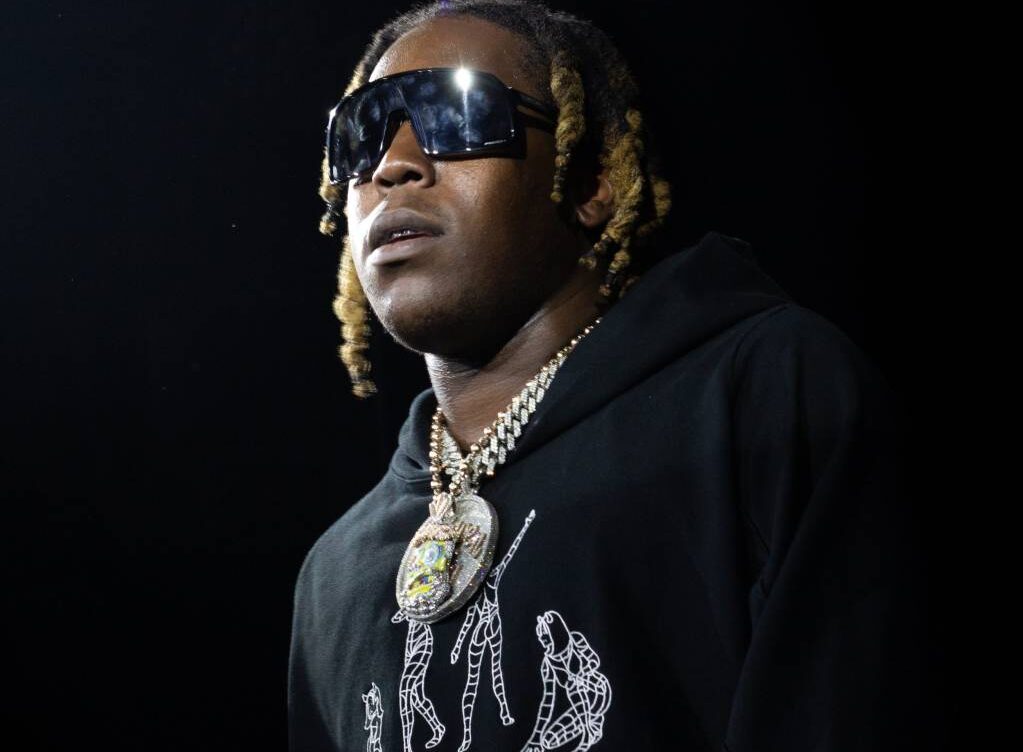
Don Toliver, known for his distinctive sound and dynamic stage presence, has not only made waves in the music industry but also in the fashion world. The demand for his merchandise, particularly secondhand items such as tees, hoodies, and accessories, has seen an uptick recently among younger consumers. Thrift stores, online resale platforms like Depop and Poshmark, as well as social media marketplaces, have become hot spots for fans eager to acquire exclusive pieces that celebrate their favorite artist.
The allure of secondhand fashion lies not just in affordability; it also provides a sense of individuality. Fans are drawn to the idea of owning a piece of clothing or accessories that reflect their support for an artist while also contributing to the reduction of waste in fast fashion.
Market Transformation
According to recent studies conducted by ThredUp, the secondhand market is projected to reach $64 billion in the next five years. This growth illustrates a significant shift in consumer behavior, particularly among Gen Z and Millennials who prioritize sustainability and authentic experiences in their buying patterns. With Don Toliver’s rise in the music industry, it aligns perfectly with this market transformation.
Several fashion influencers have taken to social media to showcase their secondhand Don Toliver merchandise, often highlighting the stories behind their finds. These narratives not only promote the merchandise but also reflect a broader conversation about sustainability and ethical consumption in the fashion industry.
Conclusion
The increasing trend of secondhand Don Toliver products is indicative of a larger shift in consumer behavior towards sustainable fashion practices. As fans continue to seek unique ways to express their support for their favorite artists, the secondhand market is likely to expand even further, potentially transforming how merchandise is conceptualized and sold. For readers, this indicates an opportunity to engage with fashion in a more sustainable manner while celebrating the art and individuals they admire. As the years go by, we can expect to see more artists fostering this connection between music culture and sustainable fashion, creating a vibrant intersection of style and ethical choices.