The Relevance of The Handmaid’s Tale in Today’s Society
Introduction
The Handmaid’s Tale, a dystopian novel by Margaret Atwood published in 1985, has recently surged in relevance in light of current societal issues regarding women’s rights and reproductive freedoms. As various global conversations continue to unfold about gender equity and individual rights, Atwood’s powerful narrative resonates deeply with many readers and audiences, making its adaptations and themes critically significant today.
Current Context
In recent years, the political landscape, particularly in the United States, has witnessed several challenges to women’s rights, including laws aimed at restricting abortion access and broader reproductive healthcare. These changes have echoed themes from The Handmaid’s Tale where women’s autonomy is severely limited, drawing eerie parallels between the fictional society of Gilead and certain contemporary realities. This has sparked renewed interest in Atwood’s work, both academically and culturally.
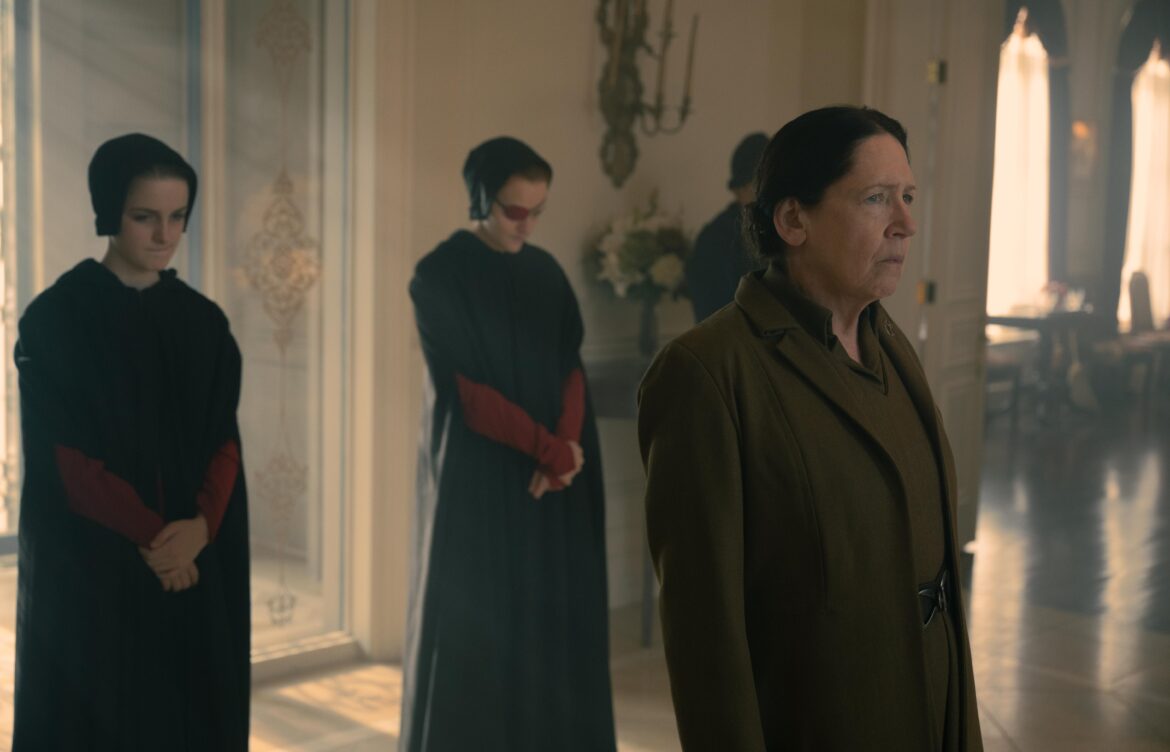
The successful television adaptation of The Handmaid’s Tale has further heightened its presence in popular culture, capturing the imagination of a new generation. The series has not only garnered numerous awards but has also spurred widespread discussions on platforms like social media, with hashtags like #HandmaidsTale becoming symbols of resistance against oppressive policies.
Public Response and Activism
Activists and feminist groups have increasingly leveraged Atwood’s narrative as a call to action, organizing protests and campaigns around various issues that reflect the realities portrayed in the novel. For instance, the recent protests against certain legislative proposals limiting reproductive rights have drawn inspiration from the imagery of handmaids as a symbol of subjugation and control.
In schools and universities, the novel is being taught not just as a piece of literature but as a powerful critique of societal structures that seek to undermine essential human rights, encouraging students to critically engage with themes of oppression, autonomy, and the consequences of political extremism.
Conclusion
The Handmaid’s Tale remains more than just a work of fiction; it serves as a vital cultural touchstone reflecting ongoing struggles for equality and justice. As conversations about women’s rights continue to evolve, the narrative’s contributions to these discussions promise to sustain its relevance and inspire future generations. Understanding Atwood’s work through the lens of today’s issues reminds us of the importance of vigilance and action in safeguarding freedoms that should never be taken for granted.