The Ongoing Struggle of Alexei Navalny in Russia
Introduction
Alexei Navalny, a prominent Russian opposition leader and anti-corruption activist, has emerged as a symbol of resistance against Vladimir Putin’s regime. With his recent health issues and imprisonment sparking international concern, Navalny’s story remains significant in understanding the contemporary political climate in Russia.
The Current Situation
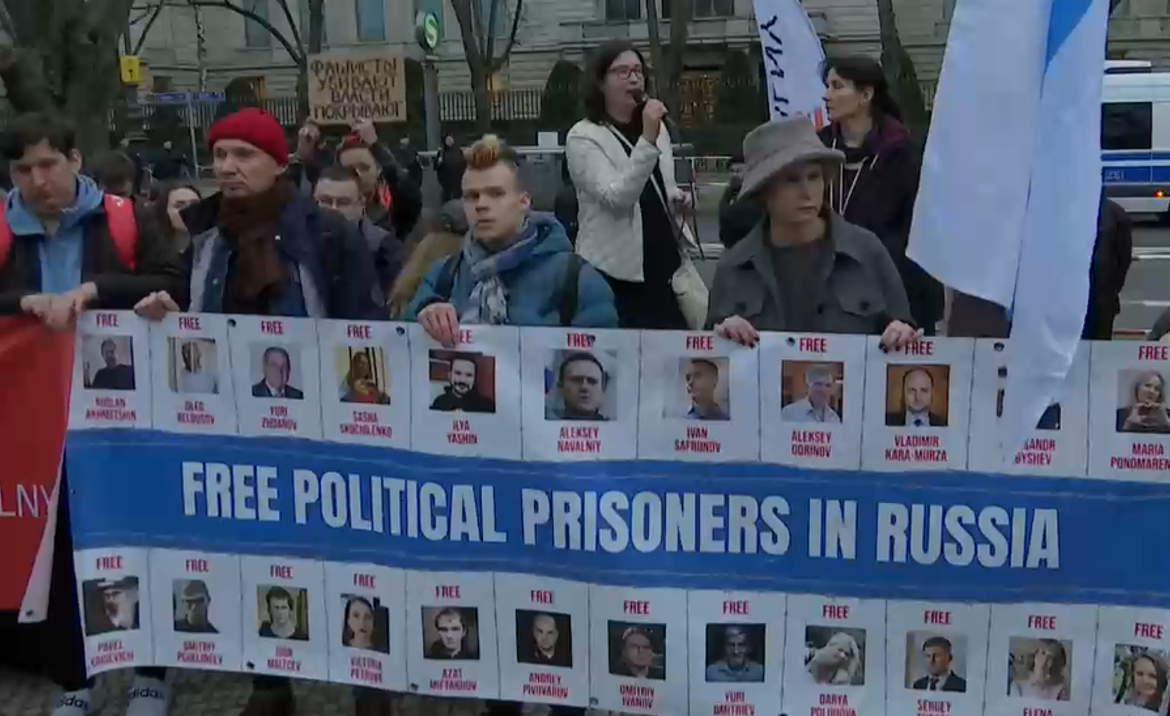
As of late 2023, Navalny continues to serve a lengthy prison sentence under harsh conditions, which has raised alarm among human rights organizations globally. His poisoning in August 2020, widely believed to be orchestrated by the Kremlin, underscored the dangers faced by dissenters in Russia. Following his recovery in Germany, he returned to Russia in January 2021, where he was immediately detained. His imprisonment has led to numerous protests, both domestically and internationally, urging for his release.
Recent Developments
In recent months, Navalny’s health has again come under public scrutiny. Reports indicate that while he is being held at the IK-6 penal colony, his access to medical treatment has been limited. On several occasions, he has suffered from sudden health crises, which supporters and family members attribute to his deteriorating living conditions and alleged neglect by prison authorities. The Kremlin has denied any responsibility for his health issues, dismissing allegations of mistreatment.
International Response
The international community has responded with increasing pressure on the Russian government to address Navalny’s situation. Multiple nations and human rights organizations have condemned his imprisonment, calling for sanctions against Russian officials implicated in his poisoning and subsequent treatment. In a rare show of unity, the European Union and the United States have committed to holding Russia accountable, highlighting the importance of human rights and political freedoms.
Significance for the Future
Navalny’s ongoing fight against political oppression in Russia serves as a mirror reflecting broader issues of government accountability and human rights in authoritarian regimes. His resilience continues to inspire both supporters and dissenters within and outside Russia. As political tensions rise and the 2024 presidential election approaches, many wonder how the future of Navalny—and Russia itself—will unfold. Will Navalny’s case catalyze further civil action against the regime, or will he become a martyr for the cause? These questions remain at the forefront of political discourse as the global community watches closely.