The Last of Us: A Cultural Phenomenon in Gaming and Television
Introduction
The Last of Us, initially released as a video game in 2013 by Naughty Dog, has become a landmark title in the gaming industry, known for its compelling storytelling and character development. With the recent adaptation into a television series on HBO, the franchise has reached unprecedented levels of popularity and cultural significance. This article delves into the importance of The Last of Us and its relevance in today’s entertainment landscape.
The Game That Changed Storytelling
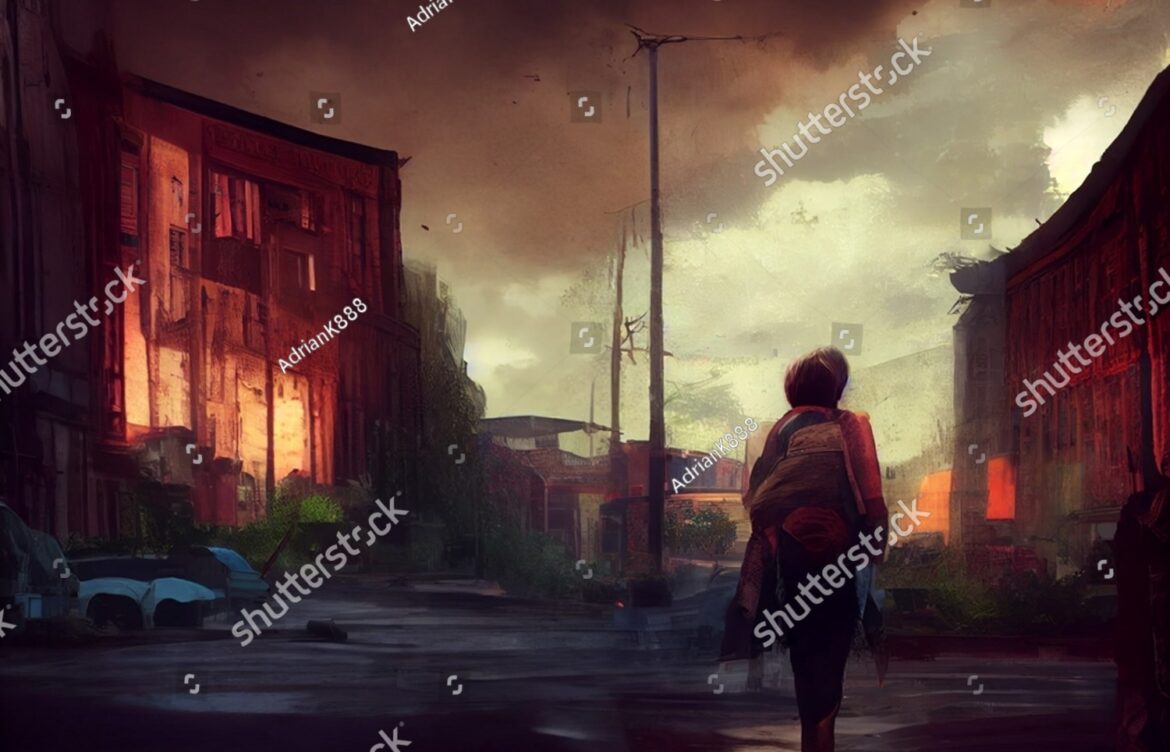
The Last of Us is set in a post-apocalyptic world ravaged by a fungal infection that turns humans into hostile creatures. Players control Joel, a smuggler tasked with escorting a young girl, Ellie, across the devastated United States. The game is praised not only for its gameplay mechanics but also for its emotionally charged narrative, character arcs, and moral dilemmas, which resonate deeply with players. Critics have highlighted how the game elevates storytelling in video games to a level comparable to film and literature, a testament to its impact.
The HBO Adaptation
The transition to HBO’s television series, premiered in January 2023, marked a significant milestone for the franchise. The show closely follows the original storyline while also expanding on character backgrounds and the universe. It has garnered widespread acclaim from both fans and newcomers alike, with Jake Gyllenhaal praising its emotional depth and Pedro Pascal’s portrayal of Joel receiving particular praise. Viewership numbers skyrocketed, making it one of the most-watched shows on HBO in recent years.
Impact on Culture and Gaming
The Last of Us not only redefined the relationship between video games and storytelling but also sparked discussions about themes such as survival, love, loss, and the human condition. Its adaptation into a series further solidifies its place in pop culture, revealing how video games can serve as a source for compelling narratives on-screen. Additionally, this crossover could pave the way for more game adaptations in Hollywood, setting a new standard for quality and emotion-driven storytelling.
Conclusion
The Last of Us has emerged as more than just a game; it is a cultural touchstone that demonstrates the potential of video games as a storytelling medium. With its HBO adaptation continuing to receive accolades, the series has opened doors for future projects in this realm. As the intersection of gaming and television continues to evolve, The Last of Us stands at the forefront, shaping the future of entertainment.