The Fascinating Phenomenon of the Crimson Moon
Understanding the Crimson Moon
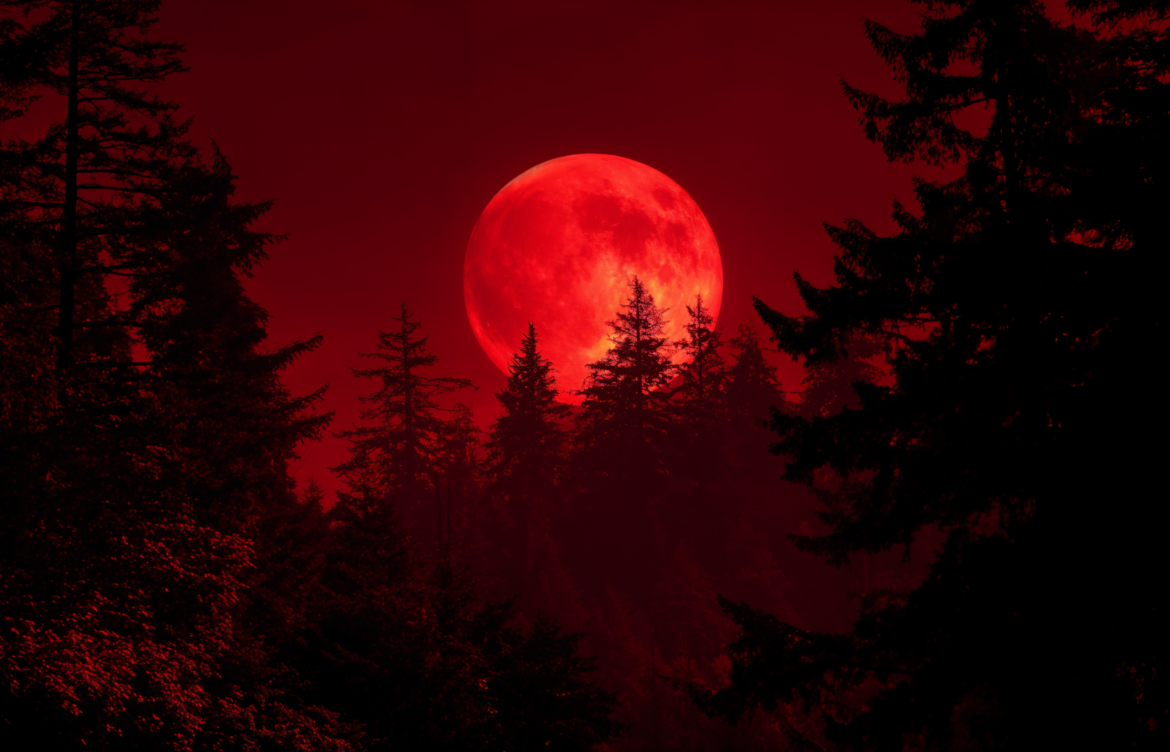
The crimson moon, often associated with lunar eclipses and blood moons, captures the fascination of stargazers and casual observers alike. Its vibrant red hue occurs when the Earth passes precisely between the sun and the moon, causing sunlight to be filtered and refracted through the Earth’s atmosphere. This extraordinary event not only adds beauty to our night sky but also sparks curiosity and discussions regarding its cultural and scientific implications.
Events Highlighting the Crimson Moon
Recently, on November 8, 2022, many regions in North America and parts of Asia experienced a total lunar eclipse, showcasing a stunning crimson moon. This event reignited interest in lunar phenomena as thousands took to parks, open fields, and even backyards to catch a glimpse. Observers armed with cameras and telescopes documented the rare sight, sharing photos and experiences on social media platforms, leading to a resurgence in public fascination.
Cultural Significance
Throughout history, the crimson moon has held various meanings in different cultures. For instance, many Native American tribes referred to the blood moon as a time for reflection and harvest. Similarly, in ancient Rome, eclipses featuring a red moon were often seen as omens, creating a blend of fear and wonder among the populace. Today, these cultural narratives continue to be discussed, enriching our understanding of the moon’s role in human civilization.
The Science Behind the Phenomenon
Scientifically, the crimson moon is a manifestation of Rayleigh scattering, the same effect that causes sunsets to appear red. The longer wavelengths of light are scattered, making the moon appear to glow with an eerie crimson radiance during a total lunar eclipse. Astronomers affirm that understanding these events can enhance scientific literacy and appreciation for celestial mechanics.
Looking Ahead
As the interest in events involving the crimson moon continues to grow, future lunar eclipses are expected to draw even more attention. The next total lunar eclipse is projected for March 14, 2025, giving enthusiasts and casual observers alike another opportunity to marvel at the wonders of our universe. Community events centered around viewing the moon and discussions on its significance are likely to emerge, fostering a sense of wonder and community engagement.
Conclusion
The crimson moon serves as a captivating intersection of science, culture, and public interest. As more people become aware of these celestial events, the potential for communal experiences and shared awe increases, enriching our appreciation for the cosmos and its mysteries.