The Enduring Legacy of He-Man in Pop Culture
Introduction
He-Man, a character introduced in the early 1980s, has transcended generations as one of the most recognizable figures in pop culture. As the protagonist of the Masters of the Universe franchise, He-Man combines elements of fantasy, action, and morality, making him an enduring symbol of heroism. Understanding He-Man’s significance today is crucial as it reflects broader trends in media, nostalgia, and consumer culture.
He-Man’s Origins and Rise to Popularity
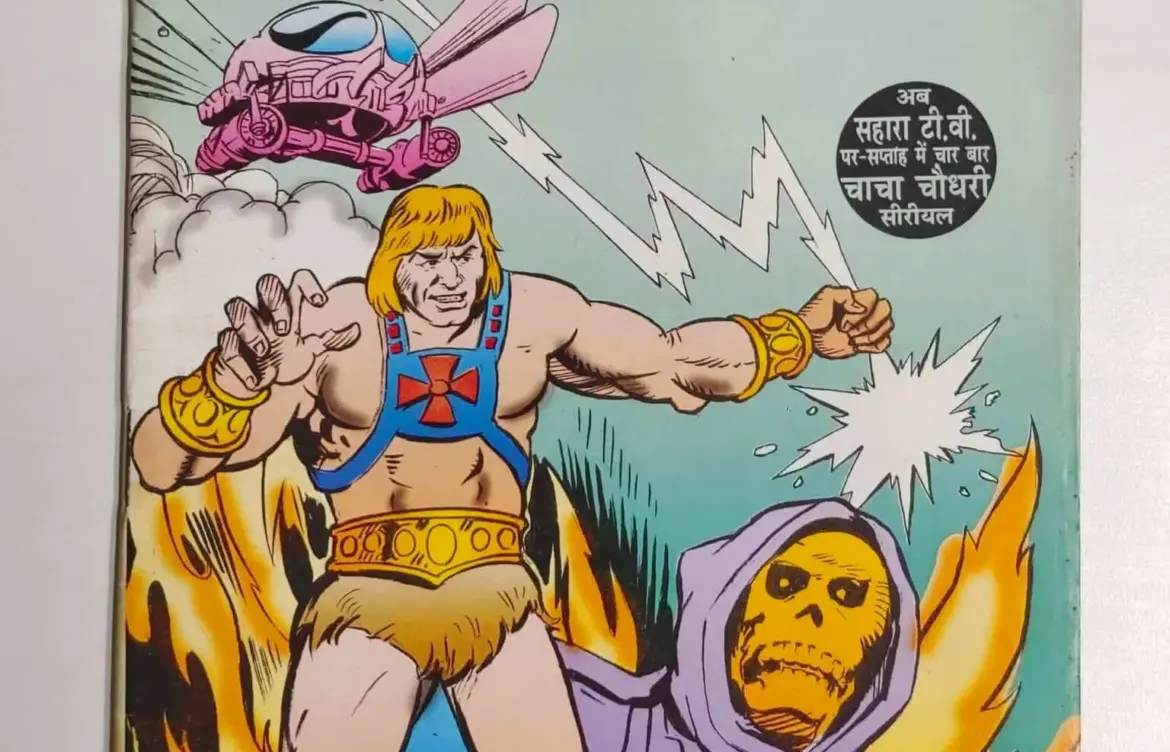
He-Man first appeared in 1982, launched by Mattel as part of a toy line that soon expanded into animated television series, comic books, and films. The show’s premise centered around Prince Adam, who transforms into He-Man to defend the realm of Eternia from the malevolent Skeletor. The character’s catchphrase, “By the power of Grayskull, I have the power!” quickly became iconic, encapsulating the heroic themes and moral lessons of the series.
Recent Adaptations and Relevance
In recent years, the franchise has experienced a significant revival. Netflix’s animated series, “Masters of the Universe: Revelation,” released in 2021, brought He-Man back into the spotlight by modernizing the story while respecting its roots. This has attracted both longtime fans and newer audiences, highlighting the character’s adaptability. Merchandise sales have surged, and He-Man continues to appear in various forms, from collectibles to video games.
The Cultural Impact of He-Man
Beyond toys and shows, He-Man has made a substantial cultural impact. His influence can be seen in late-night skits, internet memes, and even academic studies. The character has become synonymous with discussions about masculinity, nostalgia, and 1980s pop culture, appealing to different age groups and demographics. As society’s values evolve, He-Man’s representation of strength, friendship, and moral integrity continues to resonate.
Conclusion
He-Man’s legacy endures, bridging gaps between generations and cultures. The character remains a symbol not only of entertainment but of shared childhood memories and the universal battle between good and evil. As new adaptations continue to emerge, the impact of He-Man on pop culture will only grow, making it a topic of interest for both scholars and fans alike. The nostalgia surrounding He-Man invites us to reflect on the heroes we admire and the values we uphold, ensuring the character’s position in cultural discussions for years to come.