The Enduring Legacy of Frankenstein in Modern Culture
The Importance of Frankenstein
Mary Shelley’s “Frankenstein,” published in 1818, has become a cornerstone of Gothic literature and a profound exploration of themes such as the dangers of unchecked ambition, ethical responsibility in scientific advancement, and the nature of humanity. As society continues to grapple with rapid technological advancements, the relevance of Shelley’s narrative resonates deeply, prompting discussions about ethics in science and the consequences of our creations.
Recent Events and Adaptations
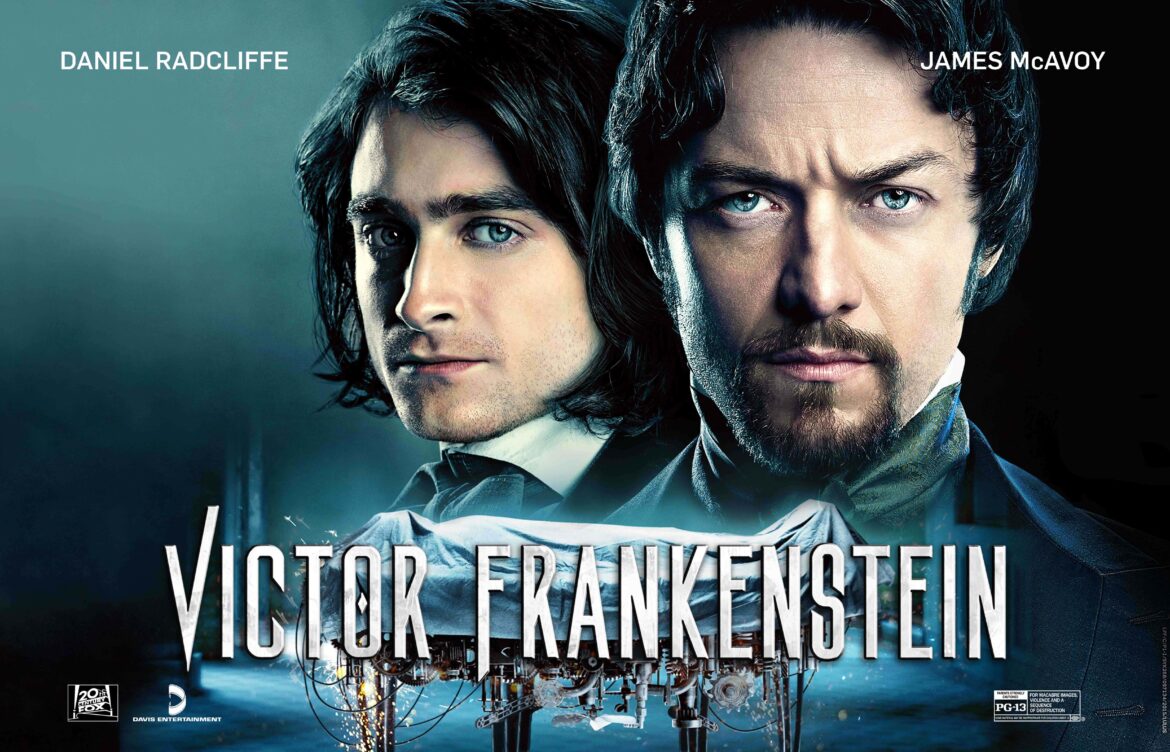
This year marks the 205th anniversary of the novel’s publication, and various cultural institutions have organized events to celebrate its impact. Notably, the National Theatre in London hosted a successful revival of its adaptation of “Frankenstein,” directed by Danny Boyle, highlighting the timeless relevance and emotional depth of this classic tale. Numerous film and theatrical adaptations, including those from top-tier filmmakers and dramatists, illustrate the story’s continued influence in contemporary storytelling.
In addition to theatrical representations, academic discussions around Frankenstein have surged, focusing on its implications for modern society. Scholars have pointed out parallels between the novel’s themes and current debates over artificial intelligence, genetic engineering, and bioethics. As advancements in these fields pose moral dilemmas similar to those faced by Victor Frankenstein, the conversation around Shelley’s work becomes increasingly pertinent.
Conclusion: Frankenstein’s Significance for Today
As we move forward in an era defined by scientific innovation and ethical ambiguity, “Frankenstein” serves as a cautionary tale. It challenges readers to reflect on the responsibilities that come with creation, whether it pertains to technology or biotechnology. The story beckons us to consider not only our ambitions but also the implications of our actions on humanity and ethical responsibility.
The legacy of “Frankenstein” continues to provoke thought and inspire creativity across various media. Its themes remain evergreen, offering valuable insights into the challenges we face in a rapidly changing world. As discussions around bioethics and technological frontiers burgeon, Mary Shelley’s work will undoubtedly remain a critical point of reference, encouraging future generations to tread thoughtfully into uncharted territories.