Seattle hosts Egypt and Iran World Cup match amid scheduling and Pride event discussions
Egypt and Iran face off in Seattle
Egypt and Iran met in a World Cup 2026 group stage match in Seattle, a fixture that drew attention not only for the on-field competition but also for off-field circumstances. The game was designated as a Pride Match, an event intended to celebrate diversity and the LGBTQ+ community. This designation proceeded despite objections from the football federations of both Iran and Egypt, where homosexuality is illegal. Officials from the Seattle host committee had previously indicated that Pride Weekend was scheduled before the draw paired the two nations, suggesting that engagement and curiosity are preferred responses to discomfort.
The match itself saw Egypt controlling possession for periods, with Iran often opting for long balls from their goalkeeper. Early in the second half, Mohamed Salah was observed receiving ice for his left hamstring while in the dugout. The game featured a lack of consistent rhythm, which some attributed to confusion regarding the group standings. Both teams received yellow cards, with two for each side, indicating a full-blooded contest rather than a pre-arranged outcome.
Coaches address team preparations and fair play
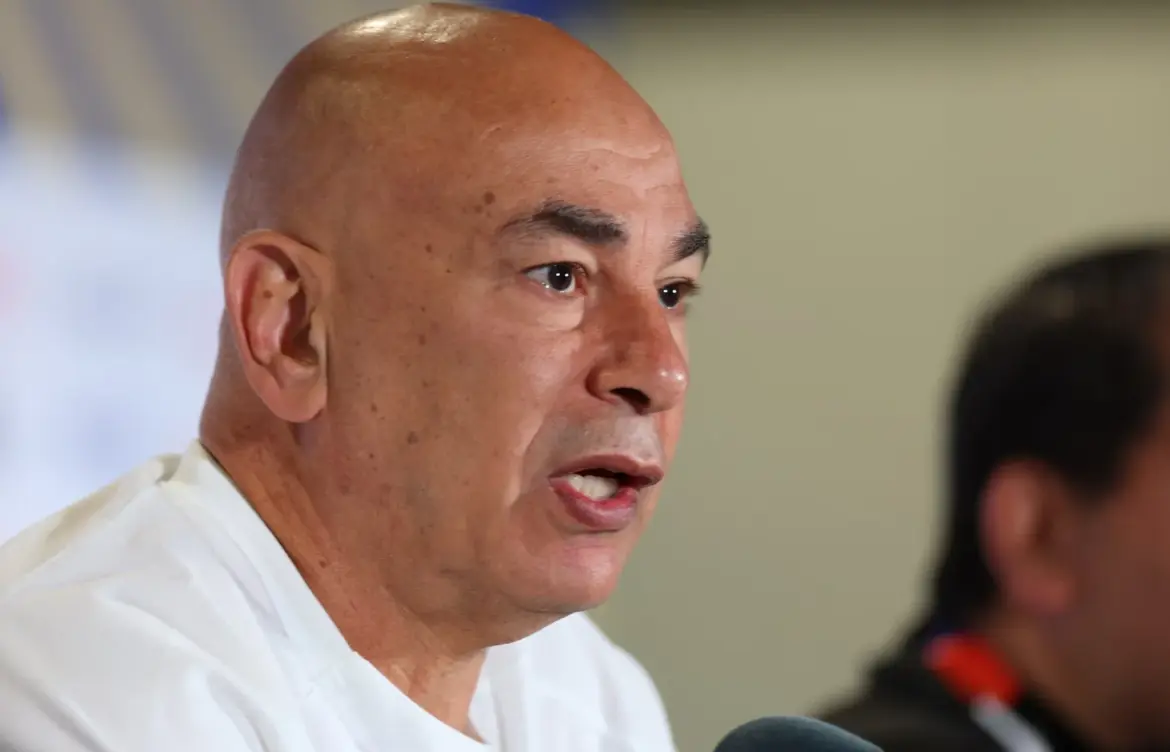
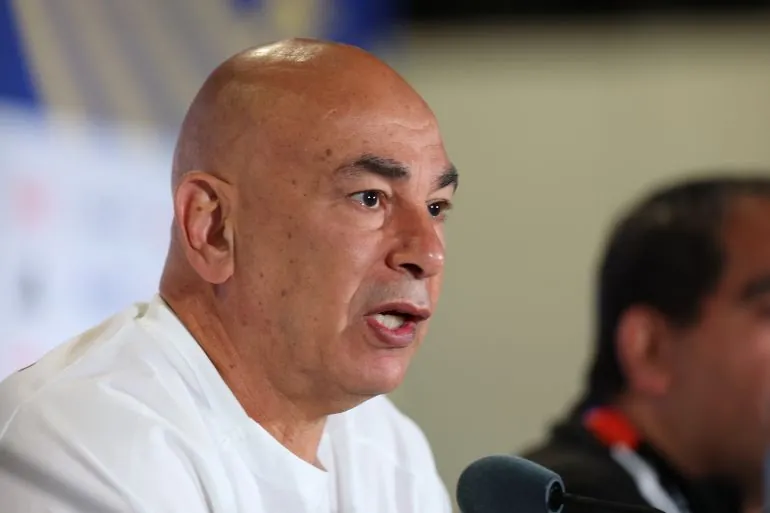
Ahead of the crucial match, Egypt‘s head coach, Hossam Hassan, voiced his support for the Iranian team, emphasising that all teams at the FIFA World Cup should be treated equally. His comments came amidst criticism regarding Iran‘s scheduling and travel restrictions imposed by the tournament co-hosts, the United States. Hassan stated his respect for all teams that have earned their place in the World Cup, highlighting FIFA‘s principles of respect and fair play. He wished luck to all participants, specifically mentioning his high regard for the Iranian team.
Iran‘s manager, Amir Ghalenoei, reiterated concerns about the impact of US travel policies on his squad’s fitness and preparation. The Iranian team had based their training camp in Mexico and played all their matches on the US West Coast. Previously, players and staff were only permitted to enter the US one day before their matches and were required to leave almost immediately afterwards. However, restrictions were eased for the Seattle match, allowing Team Melli to arrive two days earlier. Ghalenoei acknowledged this change but noted that his team had been deprived of this right for their two previous games.
Both coaches expressed mutual respect during their separate news conferences. Ghalenoei remarked on the shared ancient civilisations of Egypt and Iran, expressing pride in their respective countries. He also stressed that his team would not solely focus on containing Mohamed Salah, recognising Egypt as a well-organised team with many effective players beyond their star forward.
Group standings and qualification scenarios
As the match progressed, the implications for group standings were closely monitored. At one point, with Belgium taking the lead against New Zealand, Egypt was projected to top the group, with Iran needing a significant turn of events to qualify in third place. During a hydration break in the second half, the live standings indicated that Egypt would finish second, potentially facing Australia in Dallas in the round of 32. Iran was then projected to finish third, which could still be enough for them to advance to the knockouts, albeit narrowly.
Before the match, Egypt led the group with four points, while Iran and Belgium each had two points, and New Zealand had one. A draw would have been sufficient for Egypt to secure qualification. Hassan, however, indicated his intent to pursue victory regardless of the calculations. Egypt had previously secured their first-ever World Cup victory with a 3-1 win against New Zealand on Monday, a result that sparked celebrations among Egyptian fans.
Throughout the game, Egypt displayed efforts to control possession and dictate the tempo, while Iran aimed to counter-attack directly and at speed. Key moments included a close chance for Iran in stoppage time at the end of the first half, where a cross from Ali nearly resulted in a goal. In the 76th minute, Iran attempted multiple shots on goal following a cross from the left, but all were blocked by the Egyptian defence.
The match saw several attempts on goal, including a shot from Marmoush for Egypt that deflected wide and a powerful effort from Ezatolahi for Iran that went over the bar. Salah‘s corner from the left created a dangerous situation in the six-yard box, but Ibrahim and Lasheen interfered with each other. In the 43rd minute, Ali received a yellow card for fouling Salah. Ibrahim also received a yellow card in the 41st minute after a challenge on Ezatolahi, leading to a frustrated reaction from Hossam Hassan on the touchline.
Iran‘s strategy often involved long balls targeting Taremi, who at times appeared isolated up front. Despite this, Iran remained dangerous on the counter-attack, with a sequence involving Ghoddos, Taremi, and Mohebi nearly resulting in a scoring opportunity. The game concluded with Egypt enjoying concerted pressure but failing to create a clear opportunity in the final minutes of the first half, as Hany‘s cross was cleared and Saber‘s long-range effort went wide.
Read Also
Source: theguardian.com