Salman Rushdie: The Voice of Defiance in Literature
Introduction
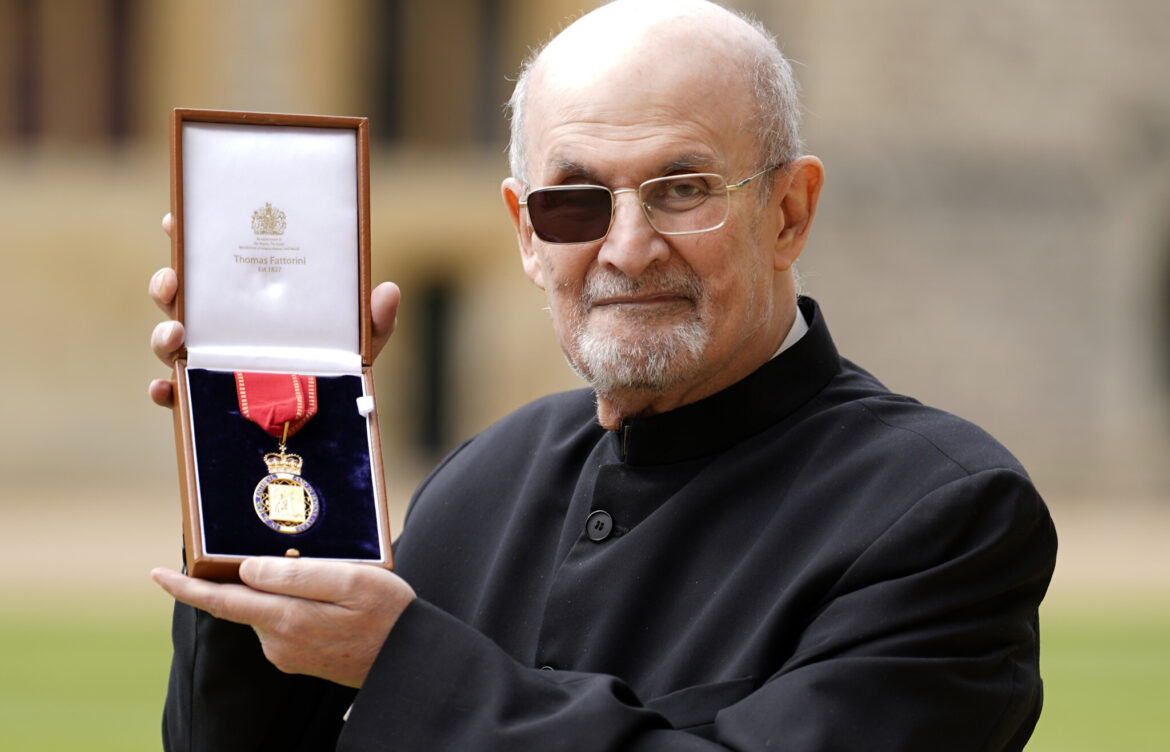
Salman Rushdie, a celebrated author and staunch advocate for freedom of expression, remains a significant figure in contemporary literature. His works often challenge social norms and political structures, prompting critical discussions about censorship and artistic liberty. In recent events, his public health and safety have sparked renewed interest in his literary contributions and the ongoing fight for authors at risk.
The Life and Works of Salman Rushdie
Born in 1947 in Mumbai, India, Rushdie’s literary journey began with his debut novel Grimus in 1975, but it was Midnight’s Children (1981) that won him widespread acclaim, earning the Booker Prize. His storytelling, which blends magical realism and historical narrative, explores the complexities of identity, migration, and cultural conflict.
However, it was his fourth novel, The Satanic Verses (1988), that thrust him into international headlines, leading to a fatwa issued against him by Iranian leaders, resulting in years of living in hiding. This event showcased the dire consequences of artistic expression in conflict with religious beliefs. Despite the dangers, Rushdie’s courage to continue writing has made him a symbol of resistance against oppression.
Recent Developments
On August 12, 2022, Rushdie was attacked while speaking at a literary event in New York. The assailant, Hadi Matar, sought to silence him, reflecting the ongoing threats faced by authors and dissidents. Following the attack, Rushdie underwent surgery and is in recovery, continuing to address the issues of censorship and violence against writers. His resilience has reignited global conversations about the importance of literary freedom.
Conclusion
Salman Rushdie’s experiences embody the struggle for freedom of speech that resonates beyond the literary community. His journey highlights the essential role of authors in challenging societal norms and the shared responsibility of society to defend those who face violent opposition for their beliefs. As Rushdie continues to recover and engage in his literary pursuits, he remains a crucial figure in advocating for the rights of writers globally, emphasizing that the fight against censorship is far from over.