Red Bull: Powering Energy and Culture
The Importance of Red Bull
Red Bull has become synonymous with energy drinks, capturing a massive share of the global market since its introduction in the 1980s. Its innovative marketing strategies, intense branding, and community involvement have made it a cultural icon, appealing not only to consumers seeking an energy boost but also to those looking for an adrenaline-fueled lifestyle.
Market Presence and Sales
Now the leading energy drink brand worldwide, Red Bull has reported astonishing sales figures. In 2022, Red Bull sold more than 10 billion cans globally, showcasing its dominance in a sector that has seen consistent growth. The company’s revenue exceeded $9 billion, driven by a combination of strategic partnerships, sponsorships, and avid consumer engagement through social media and experiential marketing.
Sports and Sponsorships
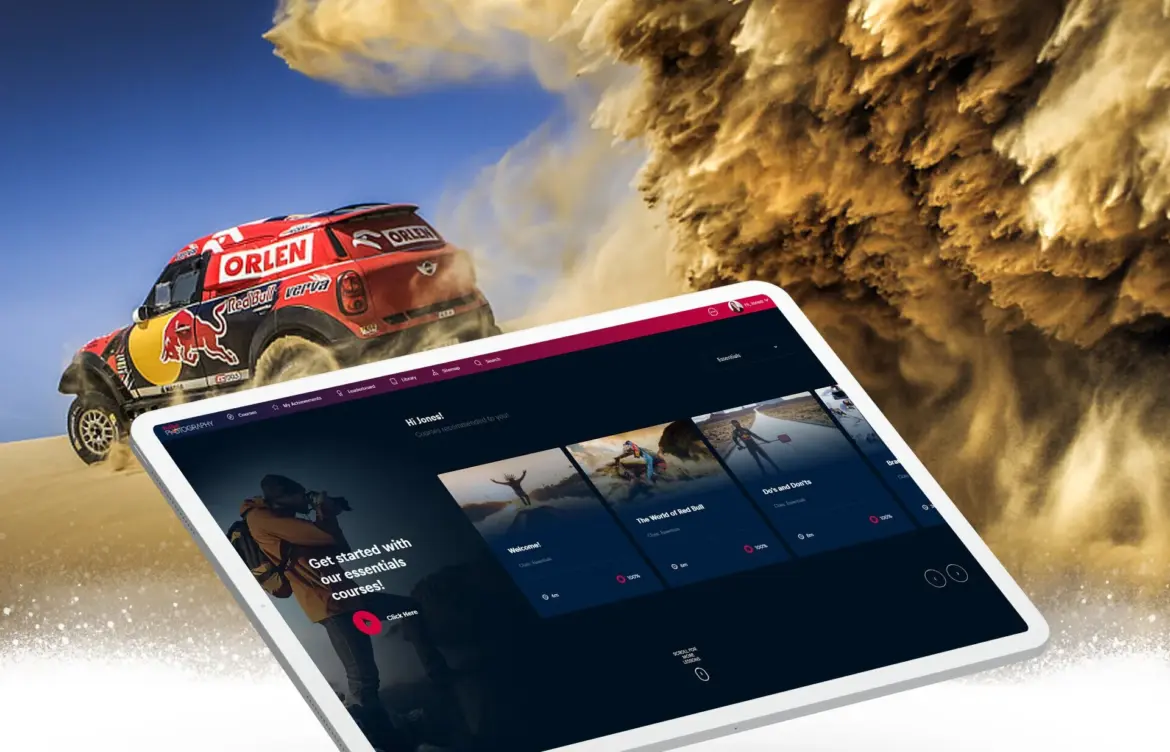
One of the pillars of Red Bull’s strategy is its deep-rooted connection to extreme sports and lifestyle events. The brand sponsors a myriad of athletes in sports such as motocross, snowboarding, and surfing, fostering a community that resonates with its audience. Moreover, Red Bull owns several sports teams across different disciplines, including soccer and Formula 1 racing. This involvement not only elevates the brand’s visibility but also positions Red Bull as a significant player in the global sporting arena.
Marketing Innovations
Red Bull has mastered the art of guerrilla marketing, often creating bold and unexpected campaigns that capture consumer attention. Their annual Red Bull Stratos jump in 2012, where Felix Baumgartner jumped from the edge of space, demonstrated the brand’s commitment to pushing boundaries and generated worldwide media coverage, emphasizing their association with daring feats. Furthermore, Red Bull’s consistent engagement through social media platforms allows them to maintain a strong connection with their audience.
The Future of Red Bull
As the energy drink market continues to expand, Red Bull faces increasing competition from new entrants offering organic or health-focused alternatives. However, the brand’s innovative mindset and unwavering commitment to thrilling experiences position it favorably for future growth. Analysts forecast that Red Bull will continue to innovate its products and marketing strategies to solidify its dominance in the energy drink landscape.
Conclusion
Red Bull exemplifies how effective branding and strategic marketing can lead to monumental success in a competitive market. Its unwavering dedication to extreme sports and dynamic experiences keeps it at the forefront of consumer preferences. As it navigates emerging trends, Red Bull’s influence on culture and sports will likely continue to thrive, shaping the future of the energy drink market.