Recent Kaiser Strike: Implications and Reactions
Introduction
The ongoing Kaiser strike has garnered significant attention, highlighting the challenges faced by healthcare workers in their fight for fair wages and working conditions. As one of the largest healthcare providers in the United States, the implications of this strike extend beyond the workers involved, affecting patients, healthcare delivery, and labor movements nationwide.
Details of the Strike
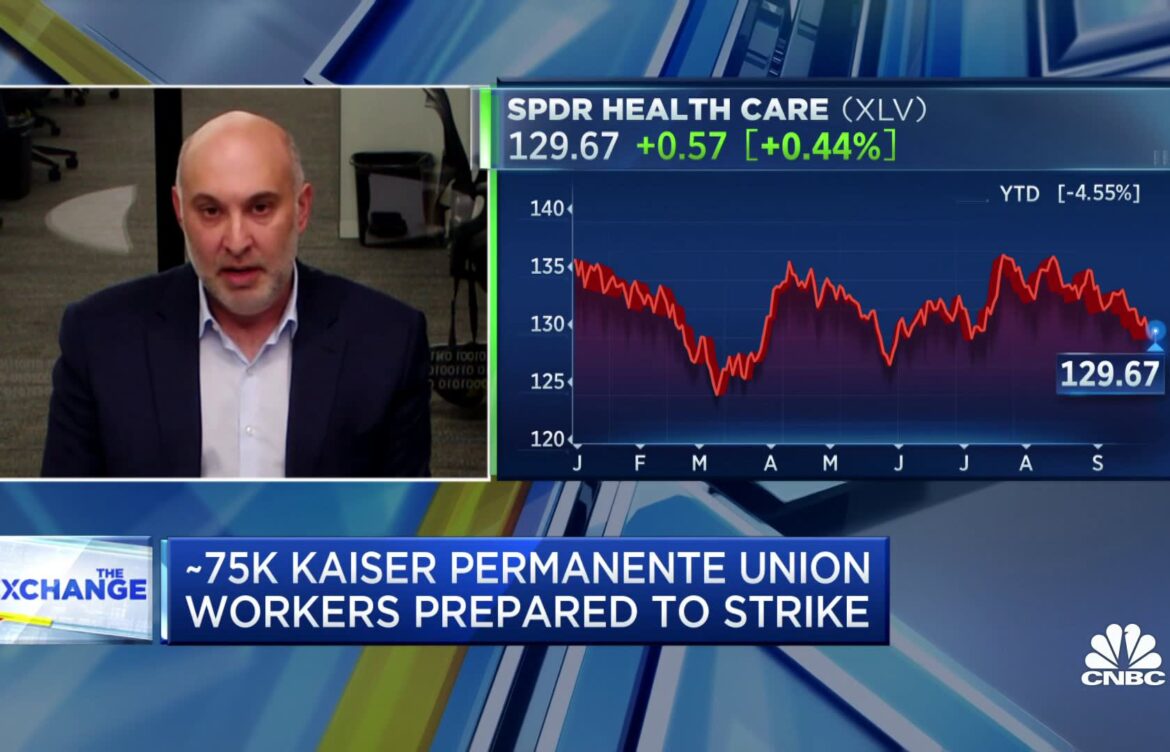
In October 2023, over 75,000 Kaiser Permanente healthcare workers across multiple states initiated a strike after months of negotiations failed to yield a satisfactory contract. Workers, including nurses, hospital staff, and support personnel, are demanding better pay, improved staffing levels, and enhanced job security.
The strike began when Kaiser Permanente’s management proposed wage increases that many workers claimed were insufficient compared to the rising cost of living and inflation. Union representatives stated that the wage negotiations were an integral part of ensuring quality patient care, with many workers expressing concerns about burnout due to understaffing.
Impact on Patients
The strike has resulted in significant disruptions in healthcare services, with many non-urgent appointments being canceled or postponed. Emergency services remain operational, but the impact on outpatient care and elective surgeries has raised alarms among patients who rely on sleep, mental health, or regular check-ups.
Some patients have voiced their concerns over the potential deterioration of care quality, as they find themselves navigating a fractured healthcare system during the strike. Health analysts warn that prolonged disruptions could have lasting effects on patient health outcomes, particularly for those with chronic conditions.
Response and Future Projections
The Kaiser strike has garnered support from various labor organizations, reflecting a growing trend of solidarity among workers across industries. Recent polls indicate increasing public support for labor movements, particularly in the healthcare sector, which has been under immense strain since the onset of the COVID-19 pandemic.
Experts predict that the resolution of the Kaiser strike may set a precedent for other healthcare facilities and could spur similar movements across the country. As the negotiations continue, both workers and management face pressure to find common ground that prioritizes workplace equity and patient care.
Conclusion
The Kaiser strike is a pivotal moment in labor relations within the healthcare sector. As negotiations proceed, the outcomes could significantly impact labor rights, healthcare quality, and patient safety. Observers will be closely watching how Kaiser and its workers navigate this critical juncture, with hopes that a resolution will emerge that benefits all parties involved.