Recent Developments in Lunar Exploration: The Moon
Introduction to Lunar Exploration
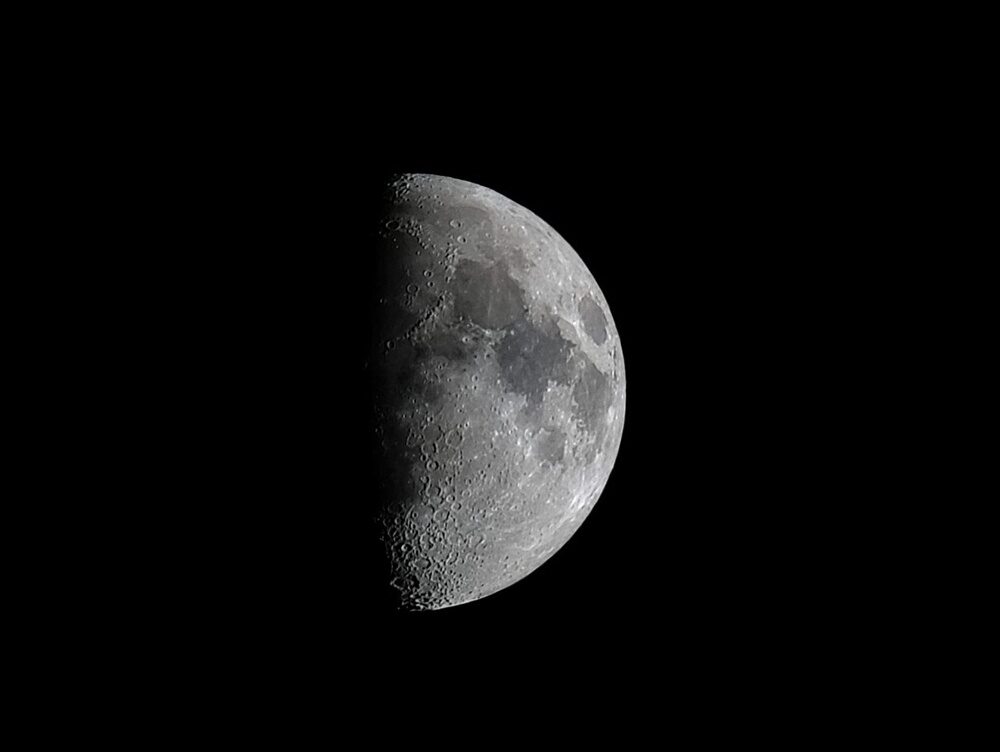
The Moon, Earth’s natural satellite, has fascinated humans for millennia. Its significance extends beyond cultural and scientific realms, playing a crucial role in the study of astronomy, planetary science, and even our own planet’s evolution. Recent interest in lunar exploration has increased with advancements in technology and renewed curiosity about the Moon’s potential resources for future missions to Mars and beyond.
Key Events and Discoveries
In recent months, several significant events have highlighted the growing momentum in lunar exploration. The Artemis I mission, launched by NASA in November 2021, marked a pivotal point in lunar exploration with its successful unmanned flight around the Moon, laying the groundwork for future manned missions. Following this, global interest intensified, leading to various countries and private companies announcing their lunar missions.
China’s Chang’e 6 mission is set to return lunar samples from the Moon’s South Pole, a region believed to contain valuable resources like water ice. Meanwhile, India’s Chandrayaan-3 mission, which aims to land on the Moon’s surface, is expected to provide crucial data about the lunar environment and geology, furthering our understanding of the Moon’s composition.
Additionally, multiple private companies, including SpaceX and Blue Origin, are developing lunar landers capable of supporting both research and potential commercial activities on the Moon. SpaceX’s partnership with NASA for the Artemis program reflects a collaborative approach to harnessing advances in technology and promoting economic opportunities in space exploration.
Significance for the Future
The renewed focus on the Moon is not merely a reflection of national pride or scientific curiosity; it holds strategic importance for future space exploration. The Moon could serve as a stepping stone for human missions to Mars and other planets. For instance, water resources discovered on the Moon may be pivotal for sustaining human life during longer missions, reducing the need to transport water from Earth.
Furthermore, lunar exploration could lead to international collaborations that foster peace and innovation in space technology. As varying countries race towards lunar milestones, there lies an opportunity for shared knowledge and unity in what could be one of humanity’s most significant joint ventures.
Conclusion
As nations and private entities ramp up their lunar activities, the importance of the Moon in our quest for exploration cannot be overstated. From aiding future Mars missions to advancing our technological capabilities, the Moon is poised to play a central role in humanity’s next steps into the cosmos. The next decade will likely witness unprecedented advancements in lunar technology and exploration that could redefine our understanding of space and our place in it.