Prepare for the Solar Eclipse of 2026
Introduction to the Solar Eclipse 2026
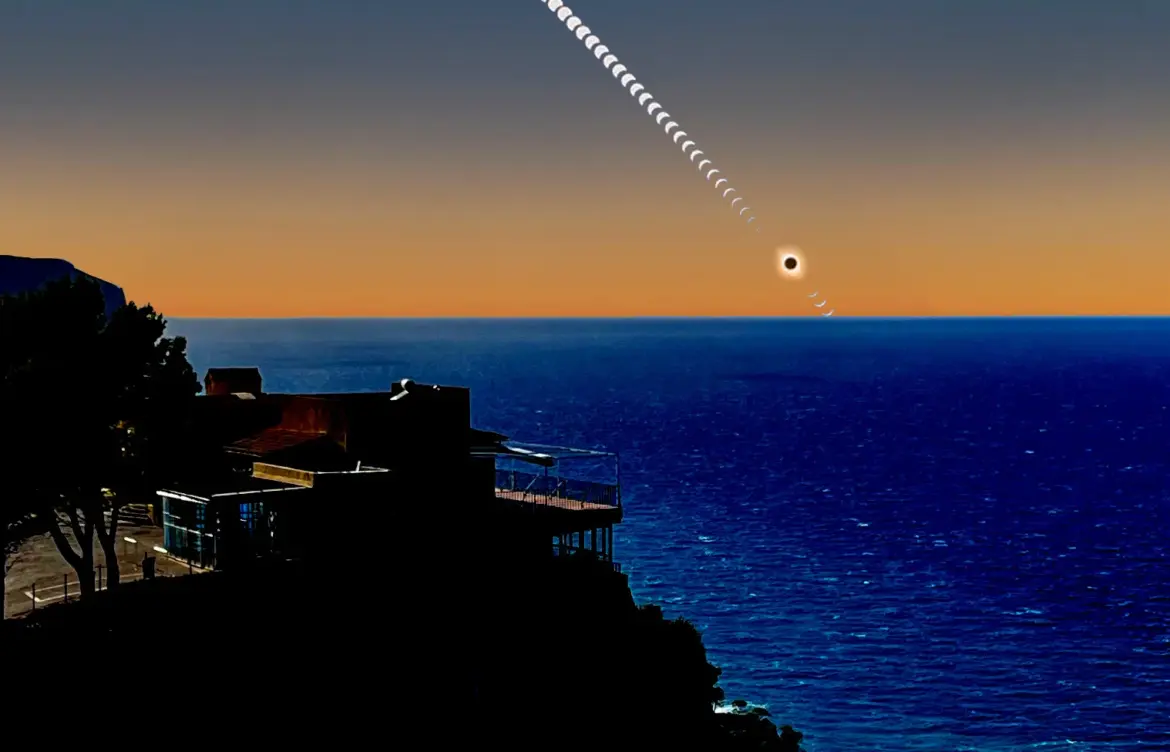
The upcoming solar eclipse of 2026 is set to be a remarkable astronomical event, capturing the interest of skywatchers across the globe. Occurring on August 12, 2026, this total solar eclipse will be especially significant as it is one of the few eclipses that will be visible across Europe and parts of North Africa and the Middle East. Given the rarity and beauty of such events, they serve as a reminder of the dynamic nature of our solar system and inspire public interest in astronomy.
Details of the Event
The path of totality, where the sun will be completely obscured by the moon, will cross through northern Spain, where cities like Bilbao and San Sebastián will experience a full blackout. This path will also extend to parts of Norway, Greenland, and Iceland, providing optimal viewing opportunities in these regions. According to NASA, the maximum duration of totality for this eclipse could last up to 2 minutes and 30 seconds, a substantial amount of time for an eclipse that promises stunning views of solar corona and atmospheric effects.
In addition to the total eclipse, partial views will be visible in many other areas, including the UK, where a significant percentage of the sun will be obscured. Enthusiasts and casual observers alike are encouraged to prepare ahead of time, as the high anticipation is expected to draw large crowds to the regions in the path of totality.
Viewing Safety and Preparation
Observing a solar eclipse is an awe-inspiring experience, but safety is paramount. Viewers should use appropriate solar viewing glasses or eclipse viewers to protect their eyes when looking at the sun during the partial phases of the eclipse. Regular sunglasses are not sufficient. Furthermore, local astronomy clubs and science organizations may offer events that provide equipment and knowledgeable assistance for safe viewing.
Conclusion and Significance
The solar eclipse in 2026 is not only a scientific phenomenon but also a cultural event that encourages people to connect with astronomy and nature. As we approach this event, public interest is expected to rise, leading to community gatherings and educational programs designed to spread awareness and appreciation for the science behind eclipses. With careful planning and preparation, this eclipse can be a memorable experience for both seasoned astronomers and those encountering the wonders of the cosmos for the first time. Mark your calendars and get ready for an astronomical spectacle that is sure to captivate!