Natural gas price rises amid geopolitical tensions
Natural Gas Price Surge
“Yes, yes, definitely,” stated Alma Newell, reflecting the consensus among energy analysts regarding the recent surge in natural gas prices. This increase has been attributed to escalating geopolitical tensions, particularly the ongoing conflict involving the US, Israel, and Iran, which has disrupted supply chains and heightened market volatility.
In January, India’s total consumption of natural gas reached 5,252 million metric standard cubic metres (MMSCM), with approximately 54% of this demand met through liquefied natural gas (LNG) imports. The situation has been exacerbated by the fact that more than 50% of India’s imported LNG passes through the Strait of Hormuz, a critical chokepoint for global energy supplies. The disruptions caused by the war include the shuttering of this vital transit route, further straining supply.
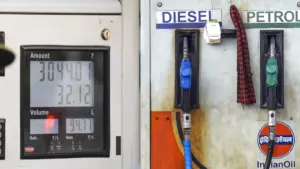
The cost of natural gas in the spot market has risen dramatically, with prices reaching $25.40 per million British thermal units (mbtu). This sharp increase is indicative of the broader trends affecting energy markets, as analysts like Gregory Brew predict that the current price increase in oil suggests the US will see gasoline prices rise to between $3.50 and $4 per gallon by next week, with diesel potentially hitting $5 this week.
In response to these rising costs, GAIL (India) Ltd has reported that its long-term supplier, Petronet LNG Limited (PLL), has issued a force majeure notice, indicating potential supply disruptions. GAIL is currently assessing the situation with respect to any supply curtailment that may need to be imposed on its downstream customers, highlighting the precarious nature of the current energy landscape.
Additionally, India’s oil marketing companies have raised liquefied petroleum gas (LPG) prices by an average of Rs 60 per cylinder, further impacting consumers as they grapple with rising energy costs. The government has mandated that all oil refining companies operating in India maximize the utilization of propane and butane streams for LPG production, aiming to mitigate the effects of the price surge.
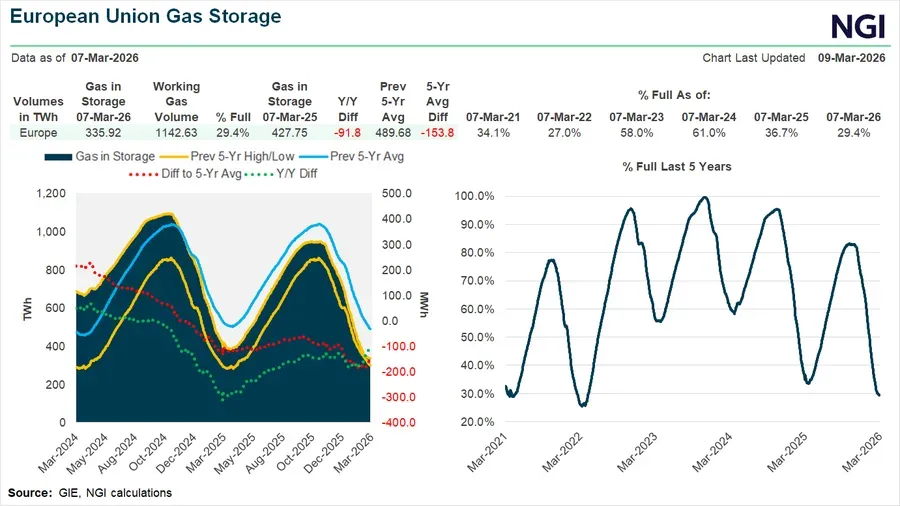
As the situation unfolds, the global energy market remains on high alert. The interplay of geopolitical tensions and market dynamics will likely continue to influence natural gas prices and consumption patterns in the coming weeks. Details remain unconfirmed regarding the long-term implications of these developments on global energy security.
In summary, the current landscape of natural gas pricing is shaped by a complex web of geopolitical factors and market responses. Stakeholders across the energy sector are closely monitoring the situation, as the ramifications of these price increases are felt worldwide.