Monica Seles: From Teenage Tennis Prodigy to Resilient Advocate
The Rise of Monica Seles
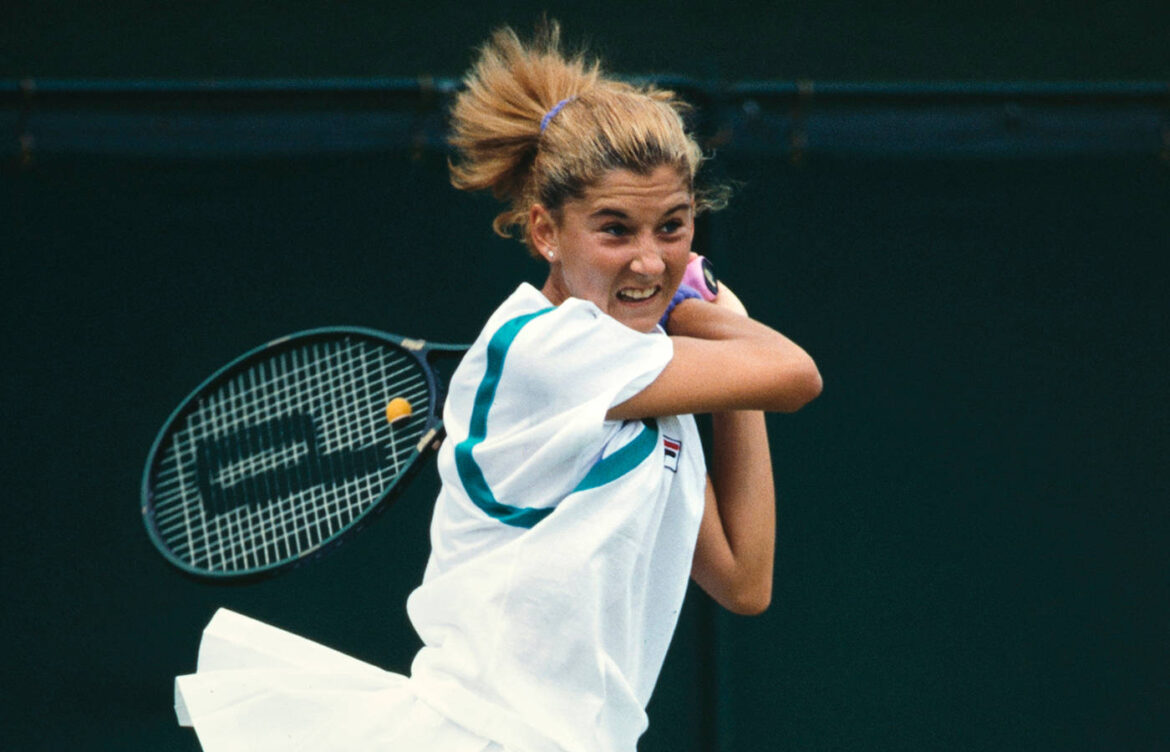
Monica Seles, a former world No. 1 tennis player, remains a significant figure in sports history as both a champion and an advocate. Born on December 2, 1973, in Novi Sad, Yugoslavia, Seles became a tennis star by the age of 16, winning her first Grand Slam title at the French Open in 1990. With her fierce determination and powerful playing style, she captured the hearts of millions and marked her place as one of the greatest players of all time, amassing nine Grand Slam singles titles before the age of 20.
Challenges and Triumphs
However, Seles’s journey was far from easy. In 1993, she faced an unimaginable challenge when she was stabbed in the back during a match in Hamburg, Germany, by a deranged fan of her rival, Steffi Graf. This shocking incident forced her to take a nearly three-year hiatus from the sport. Despite the trauma, Seles returned to tennis in 1995, demonstrating incredible resilience and passion for the game.
Advocacy and Mental Health
Seles has since used her experiences to advocate for mental health awareness and sports safety. She has been open about her struggles with depression following the attack, emphasizing the importance of mental health discussions in sports and beyond. Her story has encouraged many within the sporting community to recognize the psychological pressures athletes face.
Legacy and Influence
Beyond her on-court accomplishments, Seles’s legacy continues to inspire new generations of athletes. She has been inducted into the International Tennis Hall of Fame and remains actively involved in tennis through her various instructional programs and initiatives aimed at promoting the sport to young people. Notably, her autobiography, “Getting a Grip: On My Body, My Mind, My Self,” has sparked conversations about personal well-being and athletic performance.
Conclusion: The Future of Monica Seles
As the years progress, Monica Seles’s impact on tennis and mental health advocacy is undeniable. Her journey reflects the intersection of sports, resilience, and the importance of addressing mental health issues. Looking ahead, Seles’s efforts to encourage discussions around these topics will likely continue to grow, influencing young athletes and fans alike. The resilience shown by Seles not only highlights the importance of sportsmanship but also serves as a beacon of hope for those facing adversity.