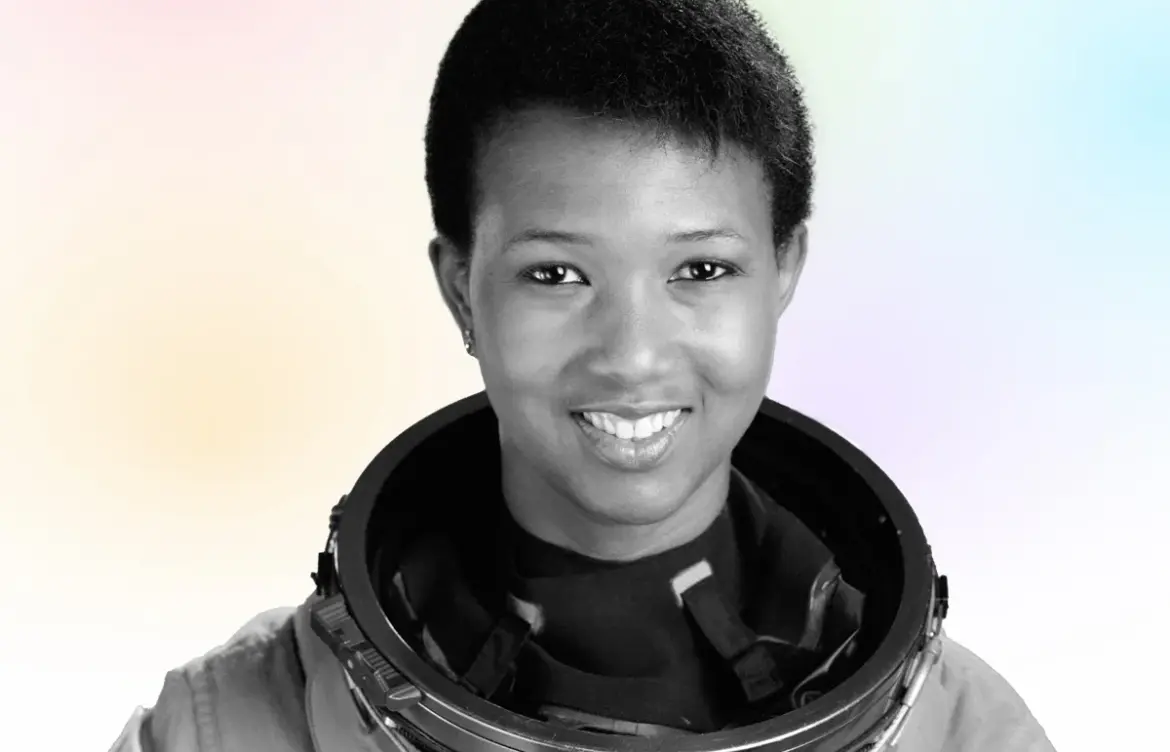
Mae Jemison: Groundbreaking Astronaut and Advocate for Science
Introduction
Mae Jemison made history as the first African American woman to travel in space, shattering racial and gender barriers in the field of space exploration. Her journey aboard the Space Shuttle Endeavour in 1992 not only marked a significant milestone in her career but also represented a broader shift towards diversity and inclusion in the science, technology, engineering, and mathematics (STEM) fields. As society continues to focus on equality and representation, Jemison’s legacy remains profoundly relevant and inspirational.
Early Life and Education
Born on October 17, 1956, in Decatur, Alabama, Mae Jemison exhibited a keen interest in science and the arts from a young age. She pursued her studies diligently, earning a Bachelor of Science in Chemical Engineering from Stanford University in 1977 and later obtaining a Doctor of Medicine from Cornell University in 1981. Her multifaceted education laid the groundwork for her future endeavors in medicine and space.
NASA Career and Historic Flight
In 1987, after working as a general practitioner and flying with the Peace Corps in West Africa, Jemison joined NASA and started training as an astronaut. On September 12, 1992, she flew on the Space Shuttle Endeavour as a Mission Specialist on STS-47. During this mission, Jemison conducted experiments on weightlessness and motion sickness, among other scientific endeavors. Her successful mission not only made her a national hero but also inspired many young people, particularly girls and members of underrepresented communities, to pursue careers in STEM.
Post-NASA Contributions
After leaving NASA in 1993, Jemison established the Jemison Group, a company that focuses on technology development and promoting scientific literacy. She is also the founder of the Dorothy Jemison Foundation for Excellence, which encourages education in science and technology. Furthermore, Jemison has made appearances in popular culture, including a guest spot on the TV show Star Trek: The Next Generation, emphasizing her commitment to inspiring future generations.
Conclusion
Mae Jemison’s achievements go beyond her space travel as they symbolize the potential of breaking barriers and the importance of diversity in STEM. As educators and advocates push for more inclusive environments in these fields, Jemison’s story serves as a beacon of inspiration to countless individuals. Her legacy not only highlights the need for increased representation but also encourages youth to dream beyond societal constraints. As we look to the future of exploration and innovation, Mae Jemison’s contributions remind us that the sky is not the limit—it’s only the beginning.