Kazakhstan: Economic Growth and Cultural Richness in Central Asia
Introduction
Kazakhstan, the largest landlocked country in the world, has been making headlines as it emerges as a key player in Central Asia. With its vast natural resources, strategic location between Europe and Asia, and growing economy, Kazakhstan is becoming increasingly relevant on the global stage. This article delves into the recent developments, economic growth, and cultural heritage that mark the significance of Kazakhstan in today’s world.
Economic Overview
In recent years, Kazakhstan’s economy has shown resilience, recovering from the global downturn and the impacts of the COVID-19 pandemic. As of 2023, the World Bank projects the country’s GDP growth to be around 3.3%, driven by increased energy exports and diversification into non-oil sectors. The government has focused on developing its infrastructure, improving the investment climate, and promoting innovation. Furthermore, the Central Asian country is rich in mineral resources, including oil, gas, and uranium, making it a hub for energy production and exportation.
Cultural Heritage and Tourism
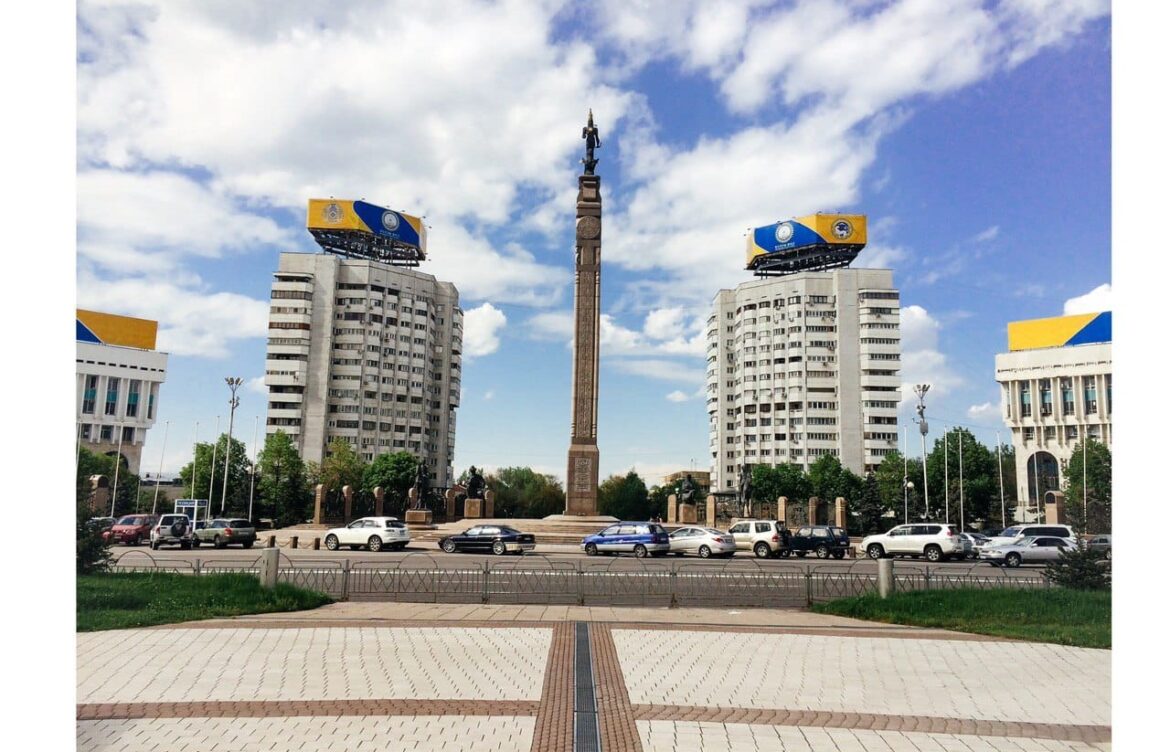
Kazakhstan is not just about economic statistics; its rich cultural legacy dates back thousands of years. From the silk roads that traversed its territory to its nomadic traditions, indigenous music, and hospitality, Kazakhstan is a melting pot of cultures. In 2022, the country experienced a surge in tourism, with an increase in travelers drawn to its national parks, historical sites like the Mausoleum of Khoja Ahmed Yasawi, and vibrant cities like Almaty and Nur-Sultan (formerly Astana). The government is actively promoting tourism through initiatives and investments in travel infrastructure, aiming to attract 3 million international tourists by 2025.
Challenges and Opportunities
Despite its growth, Kazakhstan faces challenges such as corruption, political dissatisfaction, and environmental concerns. However, the government is committed to reforms aimed at addressing these issues, including enhancing transparency and accountability. The ongoing development of the digital economy and green energy initiatives presents new opportunities for sustainable growth and innovation. Investor confidence is gradually improving, with international companies looking towards Kazakhstan for potential partnerships and ventures.
Conclusion
Kazakhstan stands at a crossroads of cultural richness and economic opportunity. With its ambitious plans for growth and modernization, it represents a unique case study of resilience and adaptation in a rapidly changing global landscape. For foreign investors, tourists, and businesses, engaging with Kazakhstan now could lead to significant rewards in the years to come, making it a country to watch as it continues to unfold its potential.