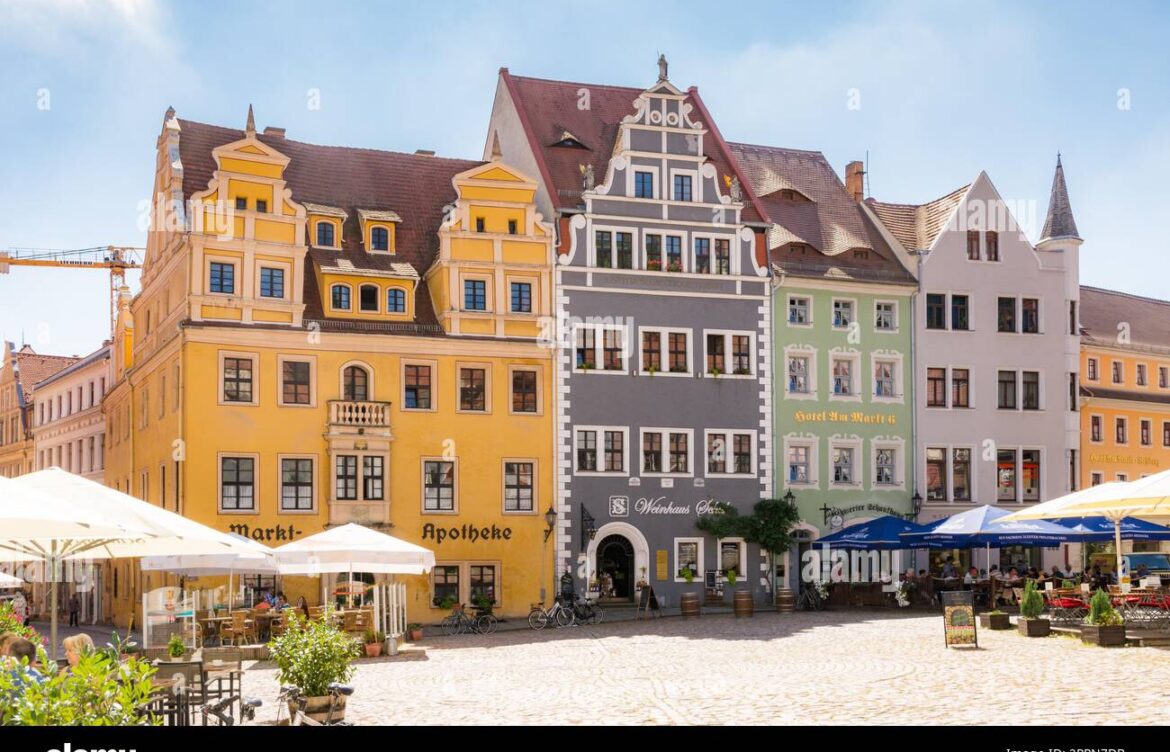
Exploring the World of Meissen Porcelain
Introduction to Meissen Porcelain
Meissen porcelain, recognized as one of the most prestigious types of porcelain in the world, represents a defining moment in the art and craft of ceramics. Originating from the town of Meissen in Germany, it is notable not only for its exquisite beauty but also for its complex manufacturing processes that revolutionized the production of fine porcelain in Europe. As collectors and art connoisseurs acknowledge its value, understanding the history and craftsmanship of Meissen porcelain provides insight into its enduring significance in the art world.
The Historical Background
The history of Meissen porcelain dates back to 1710, making it the first true hard-paste porcelain in Europe. Founded by Augustus the Strong, Elector of Saxony, the factory in Meissen began producing porcelain after its founder acquired the secret to making it, then kept it closely guarded for decades. Meissen quickly gained a reputation among European nobility, leading to an insatiable demand for its distinctively blue and white wares, characterized by intricate designs and motifs ranging from pastoral scenes to mythical figures.
Production Techniques
The production of Meissen porcelain requires exceptional skill and patience. The raw materials, including kaolin, feldspar, and quartz, are specifically sourced to create the famous white, translucent finish. Each piece is meticulously crafted by skilled artisans who hand-paint decorations, ensuring that no two items are exactly alike. The firing process involves high temperatures to achieve durability and beauty. In recent years, Meissen has also embraced modern techniques while maintaining traditional practices, which helps in preserving the craftsmanship while appealing to contemporary tastes.
Current Trends and Collectibility
Today, Meissen porcelain continues to be a highly sought-after collectible, commanding impressive prices at auctions and private sales. Its combination of historical significance, artistic merit, and superior craftsmanship captivates collectors worldwide. Recent trends show an increasing interest in Meissen’s modern designs, reflecting the balance between traditional artistry and current design aesthetics. Events like the prestigious Fine Art and Antique Shows often feature Meissen pieces, further enhancing its profile and desirability among art lovers.
Conclusion
Meissen porcelain remains a symbol of elegance and artistry. As it evolves to incorporate modern influences, its core values of tradition, craftsmanship, and quality endure. For collectors and enthusiasts, each piece not only represents a refined aesthetic but also tells a story of cultural and historical significance, ensuring that Meissen will continue to impact the world of art and ceramics for generations to come.