Exploring the Impact of Gen Z on Society and Culture
Introduction
Generation Z, commonly referred to as Gen Z, encompasses individuals born from the mid-1990s to the early 2010s. As the first generation to grow up with smartphones and social media, their cultural impact is profound and multifaceted. Understanding Gen Z is crucial for brands, educators, and policymakers aiming to connect with this group, as they influence consumer trends and social movements.
Who is Gen Z?
Gen Z represents approximately 32% of the global population, according to recent estimates from the United Nations. This cohort is characterized by their digital-native lifestyle, often being described as tech-savvy and highly engaged with social and environmental issues. They are more likely to prioritize authenticity and inclusivity in their interactions, both online and offline.
Trends Influenced by Gen Z
One notable trend among Gen Z is the increasing emphasis on mental health awareness. A 2022 survey by the American Psychological Association indicated that nearly 91% of Gen Z respondents reported experiencing physical or emotional symptoms of stress. This has led to a surge in mental health resources geared towards this demographic, with brands and organizations creating online platforms to help improve mental well-being.
Additionally, Gen Z is driving the movement for climate change action. They are known for their strong commitment to sustainability and have advocated for systemic change through various platforms. Events like the global climate strikes initiated by activists such as Greta Thunberg have seen high participation rates from young people, including those from the Gen Z cohort.
Consumer Behavior and Preferences
From a consumer standpoint, Gen Z is reshaping the marketplace. They demand transparency from companies regarding product origin and labor practices. According to a 2023 Deloitte survey, over 50% of Gen Z consumers indicated a strong preference for brands that are environmentally responsible and socially conscious.
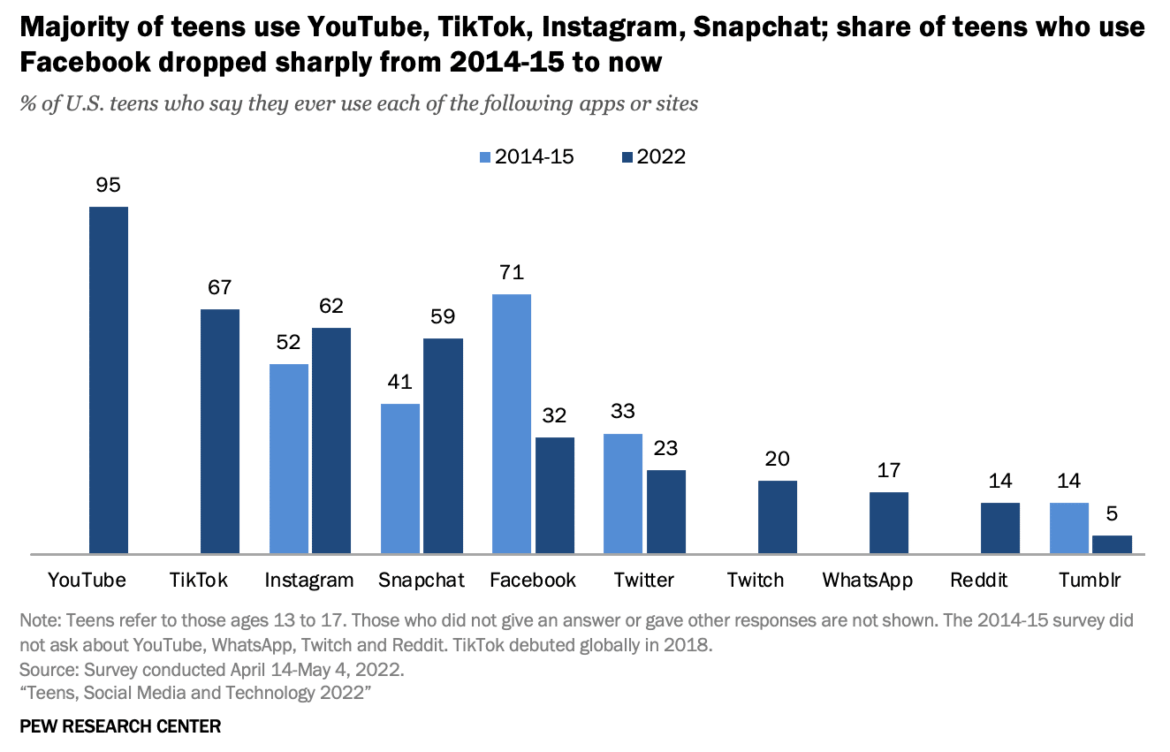
Moreover, their shopping habits lean towards online platforms, with a significant reliance on social media influencers for product recommendations. As brands seek to engage with Gen Z, a keen understanding of these preferences is essential for effective marketing strategies. For instance, campaigns on platforms like TikTok and Instagram have proven successful in capturing the attention of this audience.
Conclusion
As Gen Z continues to mature into adulthood and gain economic power, their influence on culture, consumer behavior, and societal norms will only expand. Brands and organizations must adapt to their unique perspectives and values to effectively connect with them. The future will likely see higher demands for social responsibility, mental health advocacy, and technological integration as this generation takes the lead in shaping the world ahead.