Exploring Nigeria: Culture, Economy, and Future Prospects
Introduction
Nigeria, the most populous country in Africa, plays a significant role in the continent’s cultural and economic landscape. With over 200 million residents, Nigeria is not only rich in diversity but also possesses vast resources making it a pivotal nation in Africa. Understanding Nigeria’s current events, culture, and economic growth is essential for recognizing its influence in global affairs and its contributions to the international community.
Cultural Diversity
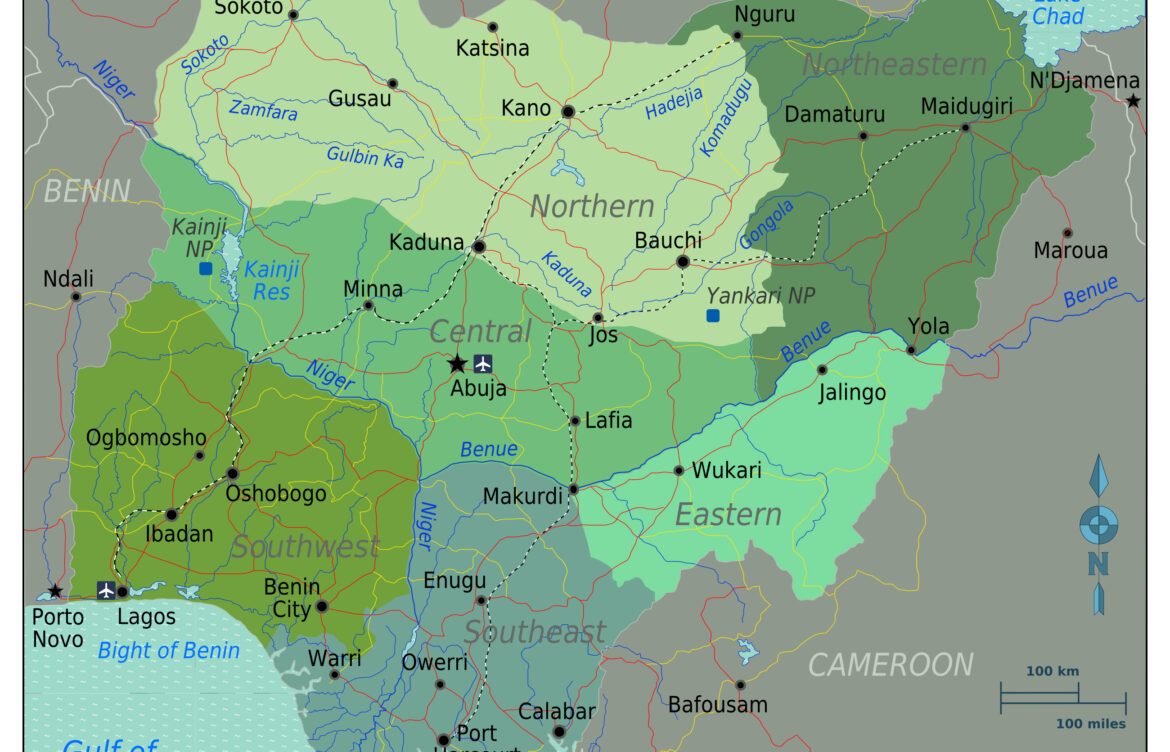
Nigeria is known for its multitude of ethnic groups, with over 250 distinct spoken languages. The three largest ethnic groups—Hausa, Yoruba, and Igbo—each contribute unique traditions and histories that enrich the cultural tapestry of the nation. Recent events, such as the National Festival of Arts and Culture held in Abuja, celebrate this diversity by showcasing music, dance, arts, and culinary traditions, underscoring the sense of unity in diversity. Furthermore, Nigerian cinema, popularly known as Nollywood, ranks among the largest film industries globally, producing thousands of films each year that resonate across Africa and beyond.
Economic Significance
Despite facing challenges such as political instability and economic inequality, Nigeria’s economy has shown resilience and growth. The country is Africa’s largest oil producer, contributing significantly to its GDP and foreign exchange earnings. Recent reports from the International Monetary Fund (IMF) project a 3.2% GDP growth rate for Nigeria in 2023, driven by rising oil prices and economic diversification efforts. Additionally, the government is implementing policies aimed at enhancing agricultural productivity and technological innovation, which are expected to bolster the non-oil sector.
Challenges Ahead
While Nigeria holds great potential, it also faces pressing issues, including security challenges, corruption, and infrastructural deficits. The ongoing conflict in the northeastern region with Boko Haram and other insurgent groups has raised concerns over national security and stability. Furthermore, calls for police reform and addressing human rights violations remain prominent, especially following the #EndSARS protests in late 2020 against police brutality. The government’s response to these challenges will be crucial in shaping the country’s future.
Conclusion
Nigeria stands at a crossroads, balancing its rich cultural heritage with the demands of modernization and growth. As the most populous nation in Africa, its stability and development are not just vital for its own citizens but also for the continent at large. Looking ahead, Nigeria’s ability to harness its resources while addressing its challenges will determine its trajectory in the coming decades. For readers and investors, understanding Nigeria’s complexities offers opportunities for engagement and collaboration in one of Africa’s most dynamic nations.