Everything You Need to Know About Clavicular Injuries
The Importance of the Clavicle
The clavicle, commonly known as the collarbone, plays a crucial role in the structure and function of the human body. It connects the arm to the body and helps stabilize the shoulder. Understanding clavicular health is important, especially as injuries to this area can significantly impact a person’s mobility and quality of life.
Common Clavicular Injuries
Recent data indicates that clavicular fractures account for approximately 5% of all skeletal fractures encountered in emergency departments. These injuries often occur due to traumatic events such as falls, sports, or vehicular accidents. Symptoms include swelling, pain, and a visible deformity at the site of the fracture. Another common issue is clavicular osteolysis, often seen in athletes, where pain and a decrease in range of motion in the shoulder are prevalent.
Diagnosis and Treatment
Diagnosis of clavicular injuries typically involves a physical examination and imaging tests, such as X-rays or CT scans, to assess the extent of damage. Treatment can vary depending on the severity of the injury. For non-displaced fractures, conservative management with rest, ice, and pain relief is common. Physical therapy may be recommended to restore strength and mobility.
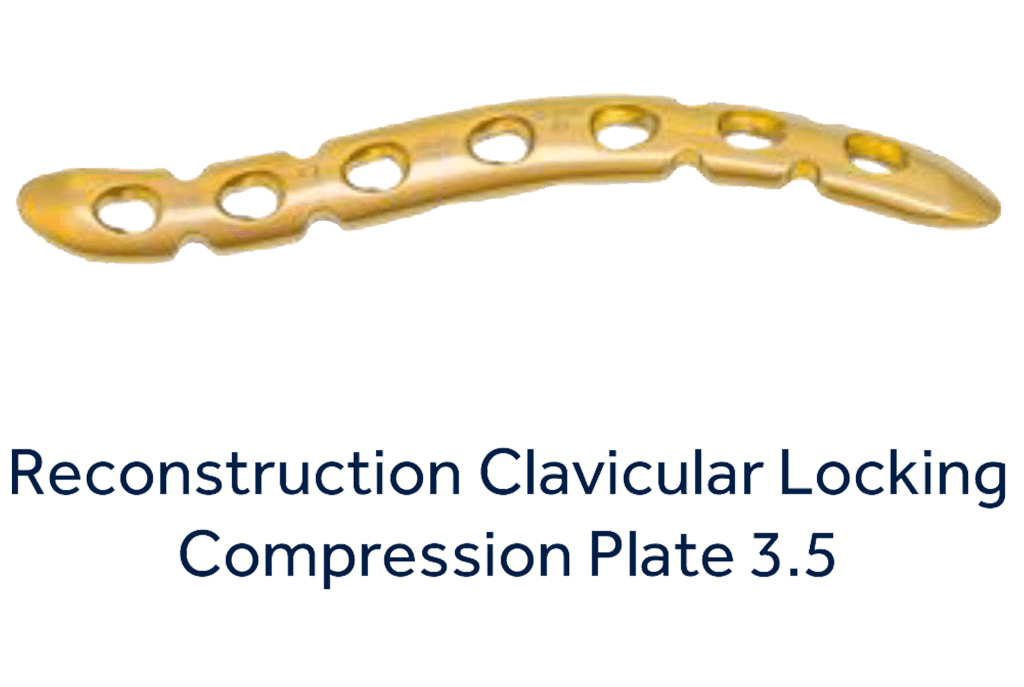
In more severe cases involving displaced fractures, surgical intervention may be necessary. Recent studies, including one published in the Journal of Orthopaedic Trauma, suggest that surgical options provide improved outcomes for patients with more complex clavicular injuries.
Conclusion
Maintaining clavicular health is essential not only for preventing injuries but also for ensuring the overall function of the upper body. As awareness of clavicular injuries increases, so does the approach to their prevention and treatment. With advancements in medical research and physical therapy practices, individuals can expect better strategies for healing and rehabilitation. Ongoing education about proper safety measures in sports and physical activities can also aid in reducing the incidence of these injuries. Readers are encouraged to stay informed and consult healthcare professionals when dealing with clavicular concerns.