Dustin Hoffman: An Overview of His Iconic Career
Introduction: The Significance of Dustin Hoffman
Dustin Hoffman is not just a household name; he is a symbol of excellence in American cinema. With a career spanning over five decades, Hoffman has delivered some of the most memorable performances in film history. His ability to embody a diverse range of characters has made him one of the most respected actors in the entertainment industry.
Career Highlights
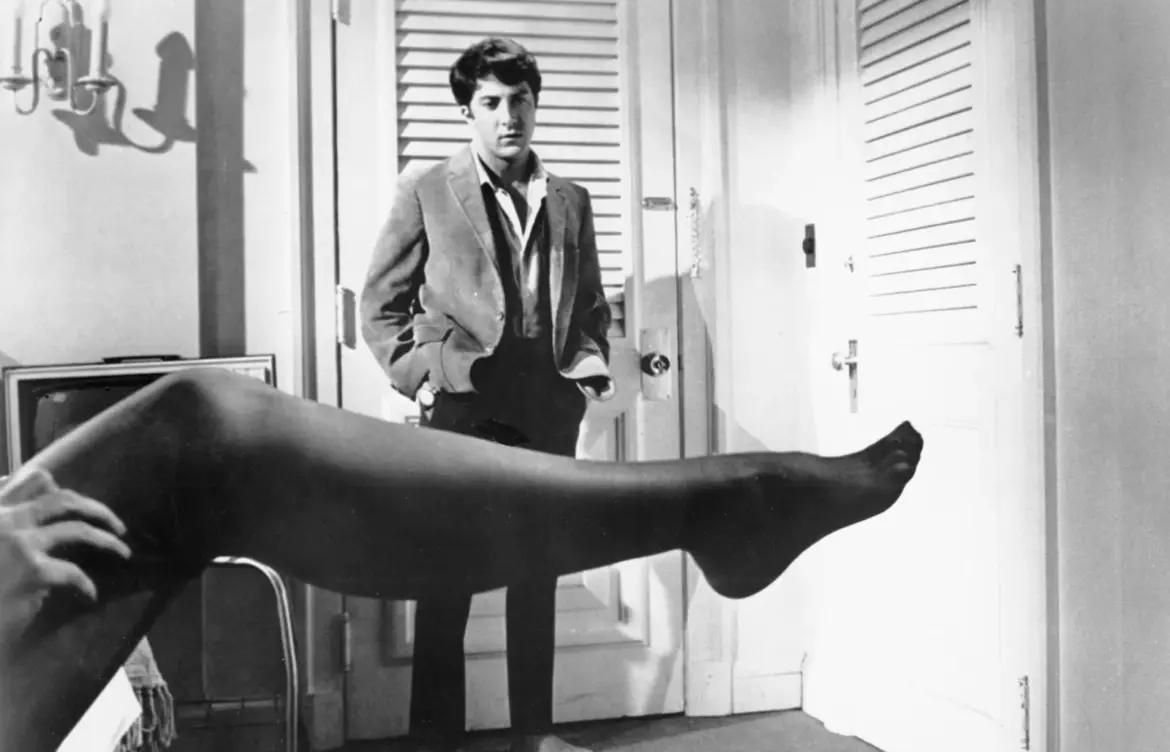
Hoffman was born on August 8, 1937, in Los Angeles, California. He began his professional acting career in the late 1960s with a breakthrough role in “The Graduate” (1967), which established him as a leading actor. His portrayal of Benjamin Braddock, a disillusioned young man, earned him widespread acclaim and set the stage for his upcoming successes.
Throughout the 1970s and 1980s, Hoffman solidified his reputation with performances in iconic films such as “Midnight Cowboy” (1969), where he played the vulnerable street hustler Ratso Rizzo, and “All the President’s Men” (1976) as investigative journalist Carl Bernstein. Perhaps his most notable role came in 1979 when he starred in “Kramer vs. Kramer,” earning him his first Academy Award for Best Actor. This was followed by another Oscar-winning performance in “Rain Man” (1988), where he portrayed an autistic savant, further showcasing his exceptional range as an actor.
Impact on Film and Culture
Hoffman’s contribution to the film industry extends beyond his acting accolades. He has also directed and produced films, demonstrating his multifaceted talent. His unique approach to his characters and his dedication to authentic performances have influenced generations of actors. Hoffman is known for his method acting style, immersing himself in the roles to bring depth and realism to his performances.
Current Projects and Legacy
Despite the ever-changing landscape of Hollywood, Hoffman continues to work actively in film and television. Recently, he appeared in the critically acclaimed miniseries “Luck” and has several projects in development. His ability to connect with audiences remains unparalleled, making him a timeless figure in the film world.
Conclusion: A Lasting Influence
Dustin Hoffman’s impact on cinema is profound. His versatility, talent, and dedication have not only earned him numerous awards but have also left an indelible mark on the arts. As new filmmakers and actors emerge, Hoffman’s legacy continues to inspire, reminding us of the power of storytelling through film.