Chikungunya Virus Outbreak in Seychelles: What You Need to Know
Introduction
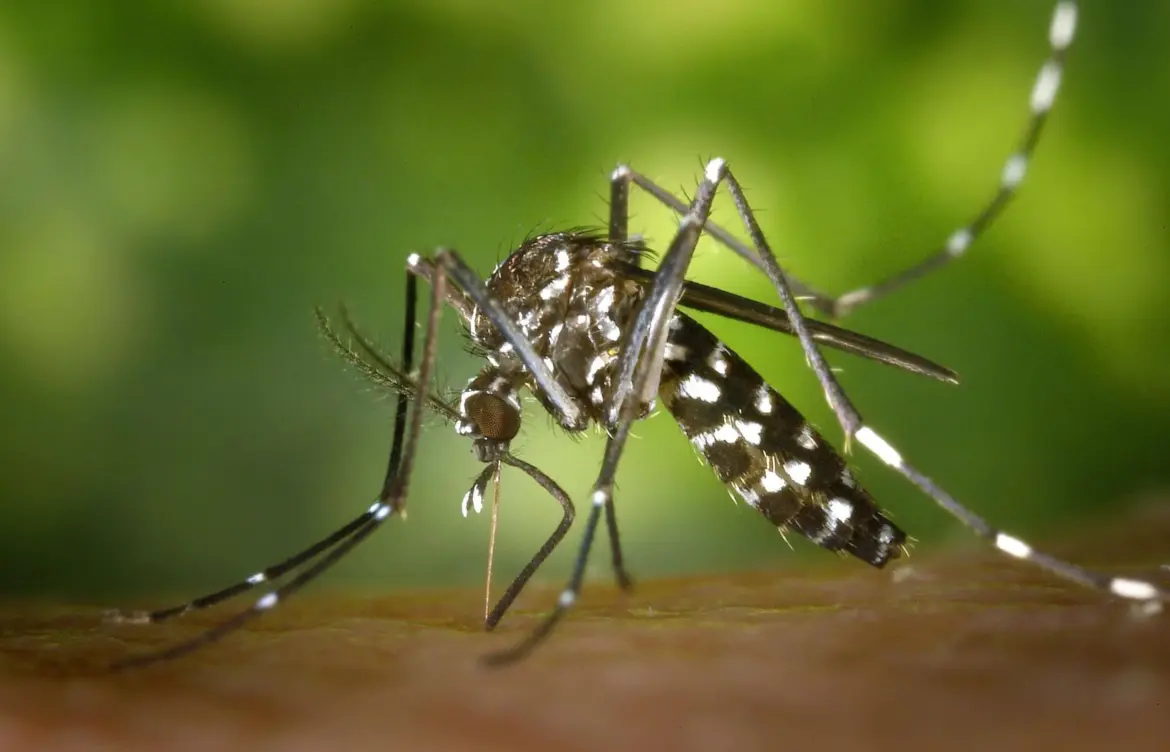
The recent chikungunya virus outbreak in Seychelles has garnered significant attention as public health officials and residents alike grapple with its implications. Chikungunya, a viral illness transmitted by mosquitoes, is characterized by severe joint pain and fever. Understanding this outbreak is crucial not only for the health of Seychelles’ citizens but also for travelers and neighboring regions, emphasizing the need for awareness and prevention strategies.
Current Situation
As of October 2023, health authorities in Seychelles have reported over 1,200 confirmed cases of chikungunya since the beginning of the outbreak earlier this year. Following the first surge in cases, health officials have ramped up efforts to monitor the situation. The World Health Organization (WHO) has issued advisories urging travelers to be cautious when visiting areas with active transmission.
Local health officials have noted that the majority of the cases are clustered in urban areas, particularly in the capital city of Victoria. Factors contributing to the outbreak include increased mosquito breeding sites due to recent rainfall and the high population density in urban centers. In response, the Ministry of Health has implemented vector control measures, public awareness campaigns, and mobilized healthcare resources to manage the rising number of cases.
Effects and Responses
The outbreak has led to significant strains on local healthcare services, with hospitals reporting a rise in patients suffering from chikungunya symptoms. The disease primarily impacts vulnerable populations, including the elderly and those with pre-existing health conditions. Local health departments are focusing on educating the public about preventive measures, such as using insect repellent and avoiding stagnant water where mosquitoes breed.
The government of Seychelles has also sought assistance from international health organizations to effectively respond to the spread of the virus. This includes deploying teams for community outreach and vector control, as well as establishing surveillance systems to track new cases. WHO has pledged support to enhance the local healthcare infrastructure to cope with the outbreak.
Conclusion
The chikungunya outbreak in Seychelles highlights the ongoing threats posed by vector-borne diseases in a globally connected world. While efforts to control the virus are underway, the response demonstrates the need for continued vigilance and public health infrastructure support. Travelers should stay informed and follow health advisories to avoid potential transmission. As the outbreak evolves, sustained community engagement and strategic health policies will be vital to mitigate the impacts of chikungunya and prevent future outbreaks.