Billie Eilish’s Activism on Stolen Land
Introduction
Billie Eilish, the Grammy-winning artist, has been making headlines not just for her music but also for her activism. Recently, she has drawn attention to the issue of stolen land, particularly in the context of Indigenous rights. This topic has garnered significant media coverage and public interest, especially as more artists and celebrities take a stand on social justice issues.
Billie Eilish’s Statement
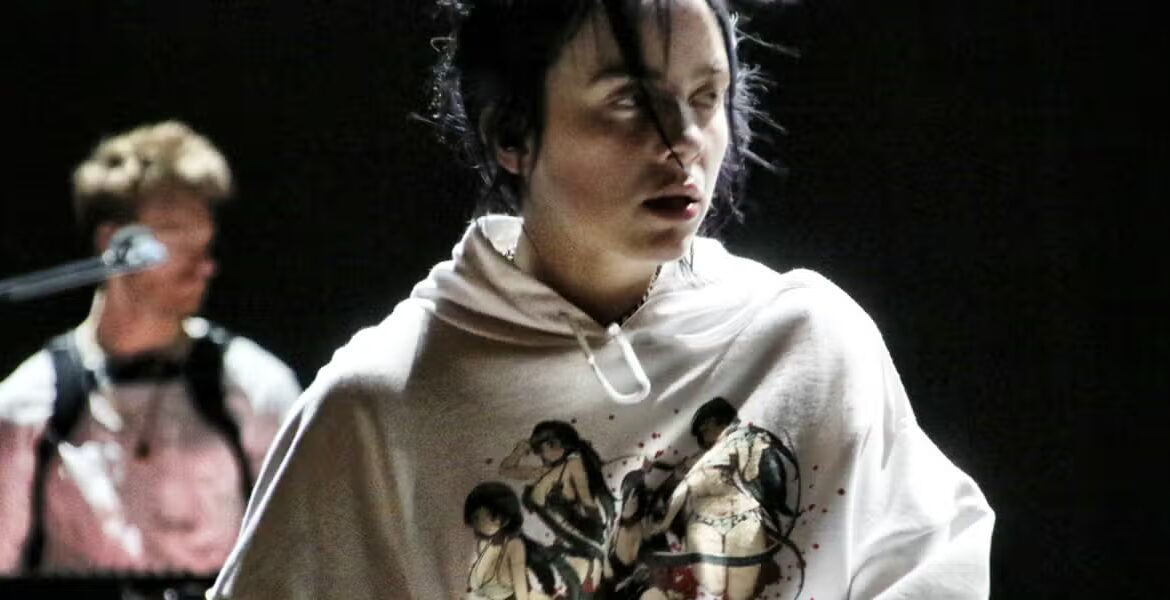
During her recent concert tours and social media interactions, Eilish has openly acknowledged that the land on which she performs is traditionally owned by Indigenous peoples. In statements made at her shows, she has expressed her support for Indigenous communities, emphasizing the importance of recognizing the historical injustices faced by these groups. Eilish’s approach not only raises awareness but also encourages her fans to engage with the ongoing conversations about land rights and reparations.
Context of the Issue
The topic of stolen land is particularly significant in the United States, where many Indigenous tribes have been displaced from their ancestral territories. The impact of colonization continues to resonate through various aspects of life for Indigenous peoples today. Eilish’s platform allows her to shed light on these uncomfortable truths, informing her audience of the need for recognition and respect for Indigenous cultures.
Public Reaction
Fans and audiences around the world have responded positively to Eilish’s advocacy. Social media platforms have seen an influx of discussions about historical land claims, cultural appropriation, and the importance of supporting Indigenous rights. Many young listeners appreciate how she uses her influence to educate others about these critical social issues, with hashtags related to her activism trending across platforms.
Conclusion
In conclusion, Billie Eilish’s acknowledgment of stolen land as a part of her advocacy not only marks a significant step in raising awareness about Indigenous rights but also encourages a broader dialogue about social justice among her audience. As more public figures join this conversation, the hope is that it leads to greater understanding, support, and ultimately, actions that honor the rights and histories of Indigenous peoples. Eilish’s ongoing influence could help reshape the narrative surrounding these issues, highlighting the importance of acknowledging and addressing historical wrongs.